STEP 8:
Create Site-Specific Graphics
Although the template provides links to centralized versions of standard graphics such as logos, you will need to produce some site-specific graphics for your site.
As part of the template, you will be given one or more Photoshop files that you can edit to generate your own graphics that still have the appropriate style. Be careful not to adjust spacing, font size, or font type as this will make your graphics inconsistent with the common look and feel (which then would probably be pointed out to you by the Web Design Team). Typically, you will just need to edit the generic text elements that are included in the Photoshop file and generate the appropriate Web-ready format.
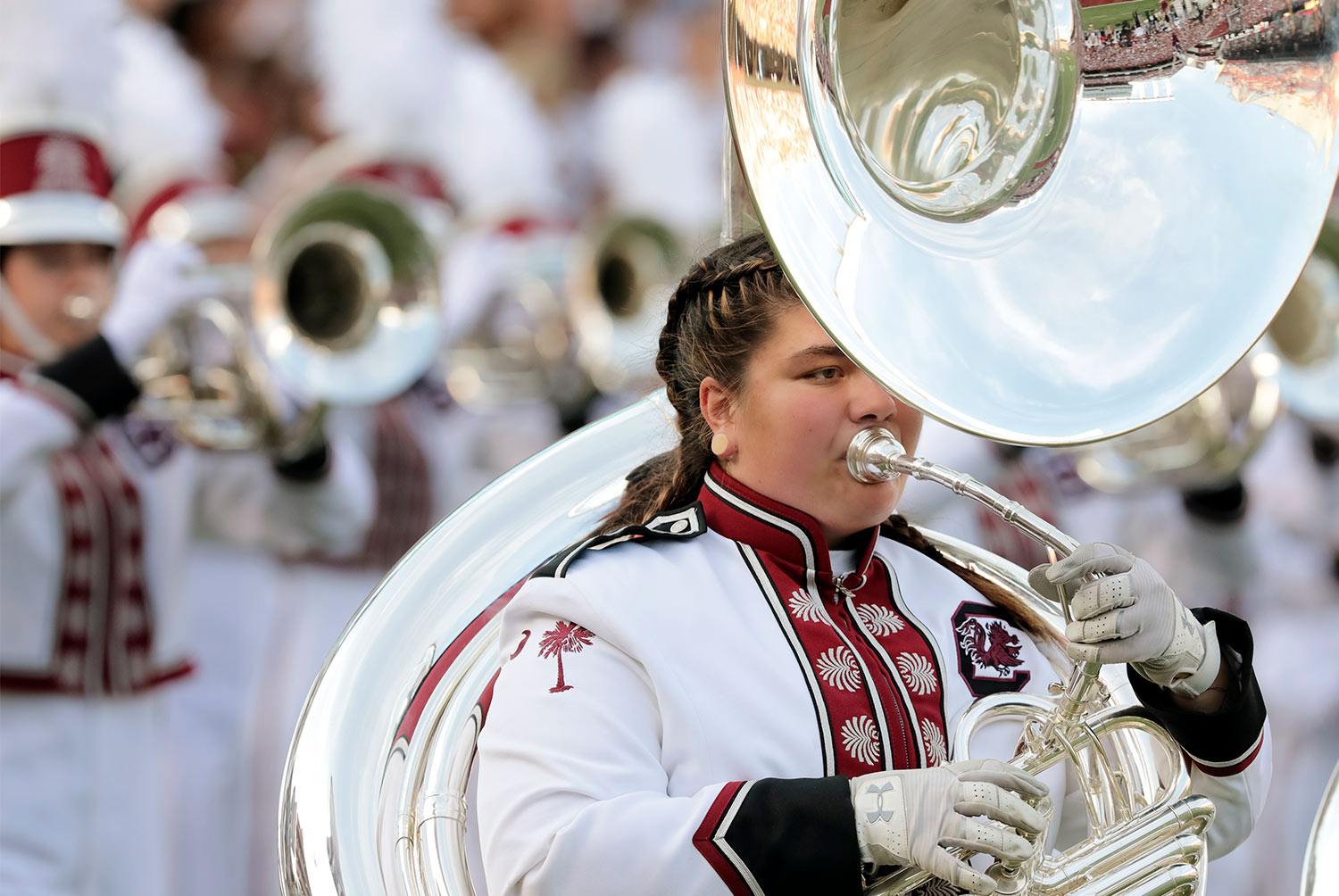
You may want to use digitized photographs on your site. Make sure that you obtain quality images (see the "Resources" appendix for potential sources) and that you retain an unaltered source version (e.g. Photoshop, bitmap, etc.) of any photograph used in the site. Photographs are typically compressed to a JPEG file, which is a lossy compression scheme. You should never recompress a JPEG image if possible because your quality will quickly degrade; consider it analogous to making a copy of a copy of a cassette tape. Furthermore, you may want to consider using a program such as Fireworks or Adobe ImageReady that is geared toward producing graphics for the Web since they typically have highly optimized image compression routines.
Always consider the overall bandwidth required by your page when incorporating graphics. A page (including all graphics and other referenced files) that is 50K or less in size is ideal; if a page exceeds 100K, then you should probably consider removing some graphics or breaking the page into several other pages.

|
  |
JPEG images and compression
Lossy compression, used by the JPEG format, means that some data is intentionally lost in the compression process in order to achieve a smaller file size. The GIF format uses lossless compression, which preserves the original data, but results in a greater file size than lossy methods. JPEG supports 24-bit images (millions of colors), but GIF only supports 8-bit images (256 colors). JPEG is typically more appropriate for digital photographs, whereas GIF is more appropriate for computer-generated images.

|