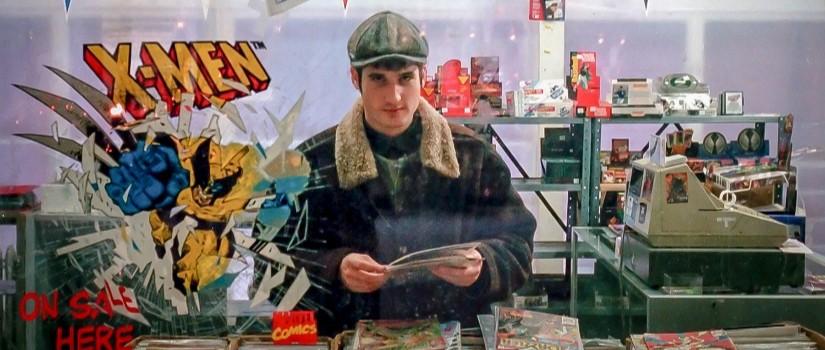
“I would want my comic book collection to go to a university.”
That off-handed comment from Ari Charney to his wife Amanda led to University Libraries acquiring over 48 banker’s boxes of underground and esoteric comic books, zines and other ephemera. When Ari passed away of a sudden illness in February of 2025, Amanda pursued this request and ended up connecting with University Libraries to preserve Ari’s legacy and materials.
The Ari Charney Zine and Indie Comic Collection includes an array of ephemera and published works including modern and contemporary indie zines created by independent artists, as well as more commercialized yet fringe cultural ephemera like a Garbage Pail Kids Rubik’s Cube and a book bound in pieces of an old western boot.
Charney grew up in Alexandria, Virginia before moving to New York City to attend New York University, where he earned a bachelor’s in political science with a minor in economics. He married his wife Amanda in 2006, and they welcomed their son Daniel in 2011. Before he passed away, Charney worked at George Mason University as a prospect researcher for their development office, so he had seen firsthand the value that collections like his could bring to a university.
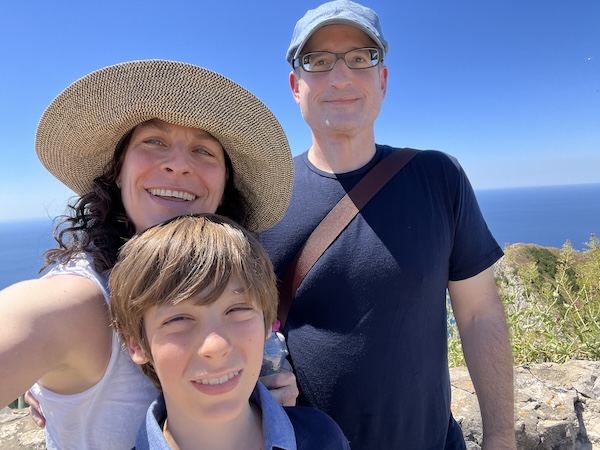
Knowing that the thoroughly curated items could be utilized by students or researchers, Amanda and Daniel Charney decided that they were ready to find a home for the collection. University of South Carolina Libraries’ existing comics collections, including the vast Gary Lee Watson collection, made it a natural home for Charney’s collection as well.
According to one of Ari Charney’s best friends, William Lamb, this collection was a long time in the making. Ari was always, according to Lamb, relentless in his pursuit of his passions.
“He was just a miraculous figure. He was an interesting person to be around because you were always going to learn something new from him every time you spoke to him, and that was true from the day I met him at fourteen, and it was true when he was forty-eight.”
The friends met when they were in high school, and even then, Ari’s ravenous zeal for the culture occupying the outskirts of society was in full swing. “What was incredible about that was that this was a time before smartphones and the internet. It was an era of monoculture. We were all consuming the same content because that is what the culture served up to people,” says Lamb. “And here I come to find myself sitting next to this kid in my World History Class in 9th grade and we start talking, and even then, Ari had unlocked a whole world of ‘alternative’ culture, even though he would hate that word.”
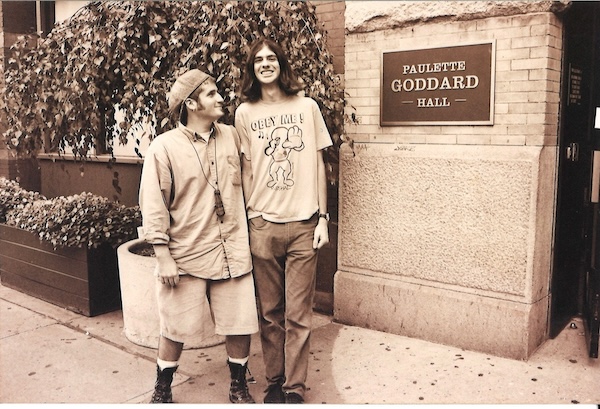
Charney had a “rabid curiosity,” Lamb says, about anything that existed outside of the mainstream, or that was happening on the margins of society: culture and art that wouldn’t be served up on MTV or topping the charts, but that had to be carefully and thoroughly sought out by those who wanted to experience it. Charney spent his time sending out for things through the mail or digging through secondhand stores. He would grab flyers for fringe bands around DC and later New York City, keeping things that would otherwise have been thrown away, never to be seen again. “I give him enormous credit for introducing me to all this stuff as a sheltered teenager,” says Lamb. “I’m a better person for knowing that it’s out there.”
Charney not only curated items based on his own interests but made an intentional effort to acknowledge the interests of those around him so that they could find their own entryway into the fringes of things they wouldn’t normally find. He collected throughout his adulthood, curating things for Amanda and their friends as well as his son. Ari and his son Daniel bonded over digging through secondhand shops to find the things nobody else would be looking for.
“The enormous gift he gave me just by knowing him was that I was introduced to a lot of this material,” says Lamb. “It made me a much more well-rounded human being, and there’s an enormous educational value to that.”
By housing his collection at University Libraries, Charney has given students the chance to discover new worlds of their own. Students from all academic backgrounds can dig through this collection just as Charney explored secondhand shops in New York and DC, igniting new creative pathways and ways of thinking. The same energy Charney brought to curating art and media for his loved ones can be felt throughout the collection.
“The Ari Charney Zine and Indie Comic Collection fits in wonderfully with the Irvin Department's Gary Watson Comic Book Collection and the Derek Royal Graphic Narrative Collection,” says Irvin Department Director Michael Weisenburg. “What's great about the Charney Collection is its emphasis on zines and paper ephemera. These types of indie print objects will be very inspiring to students interested in making their own work. Zines are a very DIY medium and the offer students a model for a project that they could imagine themselves accomplishing within a semester. Also, they're fun, odd, and often subversive both in their content and in their means of production.”
“I’m grateful that Amanda chose the Irvin Department of Rare Books and Special Collections to be the permanent home of this remarkable collection,” says Jennifer Campbell, Lead Senior Director of Development at University Libraries. “Amanda’s generosity is a wonderful example of philanthropy at its most meaningful. By entrusting Ari’s collection to University Libraries and providing financial support for its care and preservation, she is honoring his passion while ensuring that something he loved so deeply will inspire students, scholars, and future generations. We are honored to play a part in preserving Ari’s legacy.”
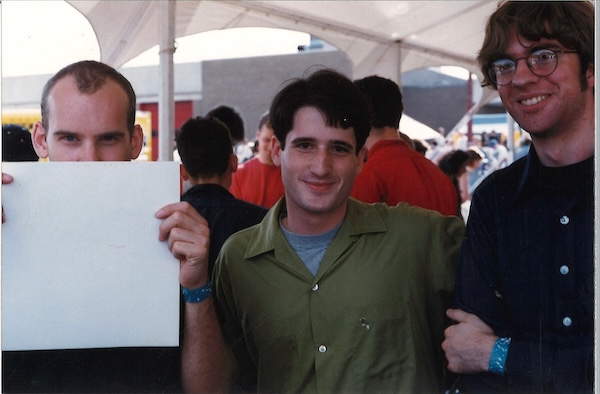
The Charney gift also includes monetary support for the hiring of a student to process the collection, offering the opportunity for students to get hands-on experience working in an archival setting. Monetary support for processing of collections not only benefits the students working on them but also allows the collection to become publicly available and usable to a wider audience much more quickly.
Charney’s gift of discovery now goes beyond his family and friends and invites anyone who looks through the collection to dig a little deeper into things they might not have known existed. Ari’s legacy and spirit of insatiable curiosity live on through his collection and can be passed down to anyone who utilizes it.
“Anyone who spends a little time with this collection will become a more curious, knowledgeable, and cultured person as a result,” says Lamb.