From First-Generation Student to Professional Football: Olivia Arriaga Turned Her Passion Into Opportunity
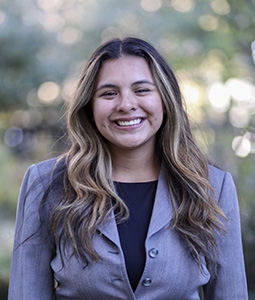
For Olivia Arriaga, football was always part of her life. Growing up in a family of sports fans and athletes, she developed an appreciation for the game early on. Although she spent much of her childhood cheering rather than playing sports, she eventually became a leader in her high school's student section. At the time, she was unsure of her career path and had never imagined that her passion for football could one day become a career.
Originally from California, Arriaga attended community college before transferring to the University of South Carolina. She initially enrolled at USC as a sports media major, but soon discovered her passion for the sports and entertainment industry through the College of Hospitality, Retail and Sport Management (HRSM). One of the people who helped introduce her to that path was Steve Taylor, her SPTE 195 professor who shared an internship opportunity with Gamecock Football and helped her prepare her resume and application.
Without previous experience in the sports industry, Arriaga relied on her personality and confidence during the application process. She wrote about why she wanted to become part of the organization and interviewed for the position. The interview lasted only five minutes, and she received an offer the following day. What started as an opportunity to gain experience quickly became a turning point in her career.
Her experience with Gamecock Football introduced her to the operational side of collegiate athletics and helped her discover a career path she had not previously considered. One of her most memorable experiences came during the organization's partnership transition from Under Armour to Nike. The project required interns and staff to reorganize equipment facilities, complete extensive inventory and replace branding throughout the football program.
“I was there at the beginning of the Nike partnership, and that was an incredible opportunity,” Arriaga said.
Some days involved working from 5 a.m. until 10 p.m., counting inventory and preparing equipment for players, coaches and recruits. Although the work was demanding, seeing players wear the uniforms, shirts and equipment she helped prepare made the experience worthwhile.
“I was there at the beginning of the Nike partnership, and that was an incredible opportunity,” Arriaga said.
The experience also gave her a new appreciation for the responsibilities that happen behind the scenes of a football program. From organizing equipment to communicating policies with players, she learned that operating a sports organization requires attention to detail, organization and the ability to work with people at every level.
After gaining experience with Gamecock Football, Arriaga pursued another opportunity with the Carolina Panthers. She learned about the position through Taylor and completed the application process through the NFL before interviewing with members of the Panthers' ticketing office. Following an hour-long interview and additional processing, she received an offer. The experience allowed her to continue exploring professional football while building on the knowledge and confidence she gained at USC.
For Arriaga, the value of these internships extends beyond the organizations themselves. Working directly with players, coaches and other professionals taught her how to communicate in unfamiliar situations and become comfortable asking questions. She learned that students do not need to know everything before entering an internship, but they do need to be willing to learn.
“There were plenty of times when I looked at my boss and told him I didn't understand what he had just explained, but I would figure it out,” she said.
While her internships have been instrumental in developing her career, Arriaga credits professional development opportunities with helping her prepare for those experiences. When she first began applying for internships, she was unfamiliar with professional resumes, interview attire and workplace expectations. She learned how to present herself professionally, communicate effectively and navigate unfamiliar situations.
“USC provides opportunities, but it's up to you to take advantage of them,” she said.
She has also made an intentional effort to build relationships with professors and professionals throughout the sports industry. She has participated in resume workshops, LinkedIn workshops, interview preparation and professional dress workshops. She has also been introduced to people working in different areas of the industry and provided opportunities to expand her professional network.
Arriaga believes that building those relationships requires students to take initiative. She has made an effort to connect with her professors, program leadership and other professionals rather than waiting for someone to approach her.
“USC provides opportunities, but it's up to you to take advantage of them,” she said.
Her journey through college has also been shaped by her experience as a first-generation college student. Entering higher education without family members who had previously navigated the process was intimidating. She recalls not knowing what the Common Application was or how to approach writing a personal essay when applying to college. Without the financial resources to pay someone to guide her through the process, she had to figure out many of those steps independently.
Although her parents did not always understand the workload and time commitments that came with college, they eventually became her biggest supporters. She has also found a sense of community through other first-generation students in her professional fraternity, Sigma Psi Mu, where she can connect with people who understand similar challenges.
Being a first-generation student has become an important part of how Arriaga approaches her relationships with others. She is vocal about her experience and makes an effort to let new members of her organization know that she is available if they ever need someone to talk to.
“You get out of an experience what you put into it,” she said.
She wants other students to recognize that they are not alone in navigating college. Having experienced the uncertainty of figuring things out independently, she understands how valuable it can be to have someone who can offer guidance or simply relate to what another student is experiencing.
She has learned that professional and personal growth take time and that students should give themselves room to make mistakes and discover their interests rather than putting unnecessary pressure on themselves to have everything figured out.
Balancing her academic responsibilities, internships, extracurricular involvement and a part-time job has also taught her the importance of setting boundaries. She has become more comfortable saying no, prioritizing her time and recognizing her limits. For her, professional development is not just about building a resume or securing an internship. It also means learning how to manage responsibilities, communicate effectively and recognize when to ask for help.
For students interested in entering the sports industry without previous experience, Arriaga encourages them to pursue opportunities even when they may not feel completely qualified. She believes students should be confident in their abilities while remaining open to learning from the people around them.
“You have to be confident in yourself without becoming egotistical,” she said.
She also encourages students to look beyond their classes, introduce themselves to professionals and actively search for opportunities rather than waiting for them to appear. Her own experiences have shown her that sometimes the most valuable opportunities come from a conversation with a professor, a connection with another student or the decision to apply for something unfamiliar.
Her experience at USC showed her how much can change when students are willing to step outside their comfort zones. From navigating college as a first-generation student to gaining experience with collegiate and professional football organizations, she has continued to develop the confidence and professional skills needed to pursue her goals.
For Arriaga, the biggest lesson has been that students do not need to have everything figured out before pursuing an opportunity. They need to be willing to learn, make connections and take initiative.
“You get out of an experience what you put into it,” she said.
Her journey demonstrates that career development does not always follow a straight path. Sometimes, it begins with an unfamiliar application, a conversation with a professor or an opportunity that leads somewhere unexpected. Through her experiences at USC, Arriaga has turned a lifelong interest in football into a growing career in sports operations.