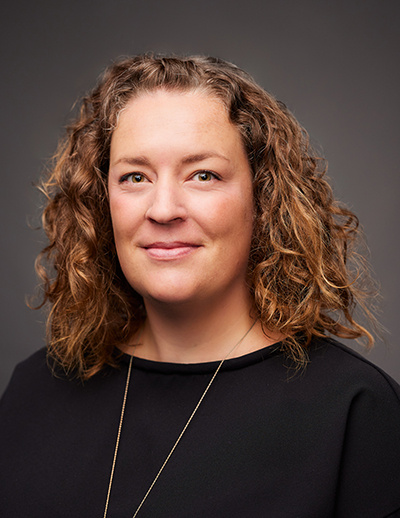
Natalie Letsa joins the Department of Political Science with a deep commitment to understanding how people experience and engage with politics. Originally from the Bay Area, she has studied and taught across the United States and abroad, with much of her research and teaching shaped by her time in West Africa. She brings both scholarly expertise and a passion for cultivating thoughtful, globally minded students.
We spoke with Letsa about her professional background, her worldly travels and why she is setting down roots in South Carolina.
Where do you call home? What brought you to USC? Tell us about your academic and professional journey so far.
I am originally from San Mateo, California, and studied political science at Reed College in Portland, Oregon, followed by two years working in Ghana. I earned my Ph.D. in government from Cornell University in 2009. After a postdoctoral fellowship at Stanford’s Center for Democracy, Development and the Rule of Law, I taught for eight years as the Wick Cary Assistant Professor of Political Economy at the University of Oklahoma before joining USC.
What first drew you to your main area of expertise? What do you love about it?
I’ve been interested in politics since grade school, particularly questions of justice and equity — who has access to power and why. In college, I realized these issues were even more pronounced globally, especially in sub-Saharan Africa. I studied abroad at the University of Ghana, and since then I’ve focused on African politics and the ways inequities shape political life.
How would you describe your research to someone who hasn’t studied this field before? What do you hope the impact of your research will be?
My research explores how those in disadvantaged or authoritarian contexts understand their role in political and economic development. While many assume political participation is driven mainly by material benefits, I find that cultural, social and historical influences are just as important. I aim to broaden how scholars think about political behavior and highlight perspectives often overlooked in existing research.
Tell us about your approach to teaching. Do you have a favorite topic or class to teach? What do you hope your students will take away from your classes?
I’ve taught courses on authoritarianism and democracy, elections around the world, African politics and the political economy of development. My goal is to spark excitement and curiosity in my students, helping them become more informed and critical citizens of the world. I hope they see education not just as a path to a career, but as a way to grow as human beings.
How are you finding the USC community so far? What is something new you’ve discovered about life as a Gamecock or here in the Columbia area?
The USC community has been incredibly welcoming and supportive, making it easy to feel at home. I’m excited to explore Columbia’s natural beauty, including Congaree National Park and local parks and trails — especially once the weather cools down!
Tell us a bit more about you! What do you enjoy doing in your free time? What’s one fun or unexpected fact about you?
I’m an avid reader with a love for African fiction, and I enjoy gardening — I’m looking forward to learning what I can grow in South Carolina’s climate. I also love traveling, particularly in West Africa, where I’ve visited Senegal, Côte d’Ivoire, Ghana, Togo, Benin and Cameroon. One of my dreams is to travel to Kinshasa in the Democratic Republic of the Congo.