Christina Plakas is working to close a gap in constitutional rights that affects thousands of incarcerated people every day. Her doctoral research at the University of South Carolina seeks to define “meaningful access to the courts” — a right affirmed by the U.S. Supreme Court for people in prison but never extended to those in jail.
By interviewing currently and formerly incarcerated people to better understand meaningful access, Plakas is developing a set of standards jails can use to ensure fair and effective legal access.
“I see this as both a constitutional and civil rights issue,” she says. “But improving legal access also benefits jails. When people feel they’re being treated fairly, they’re more likely to trust the system. It can prevent civil rights violations and even wrongful convictions. ”
Her work recently earned her a Horowitz Foundation for Social Policy grant , as well as USC’s SPARC grant and MLK Social Justice Award.
The project’s focus is personal for Plakas, who grew up in New York City helping her parents — immigrants from Greece and Ecuador — navigate English-language documents. She saw those same barriers while working as a legal coordinator at Rikers Island, where many people awaiting trial didn’t know their charges, how to contact their attorneys or how to begin building a defense.
Her dissertation, “Access to Justice Behind Bars,” unfolds in three phases: collecting interviews with jailhouse lawyers — incarcerated individuals who teach themselves the law and often help others with legal filings — surveying jails nationwide and analyzing the data to recommend affordable improvements.
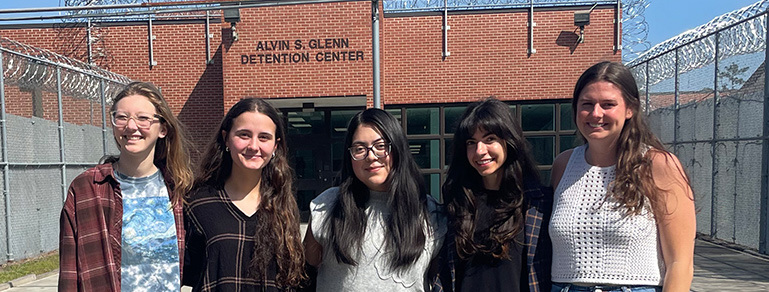
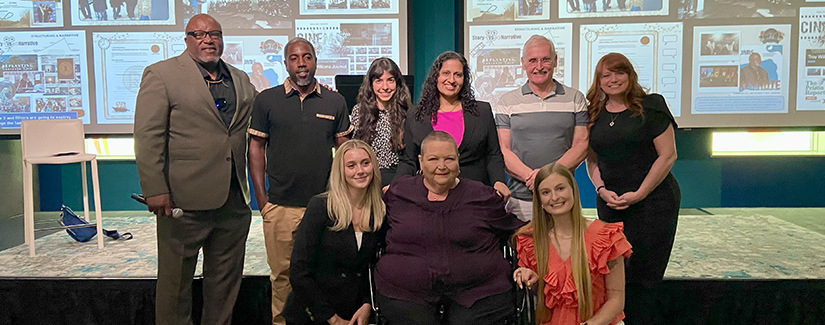
Plakas’ advocacy extends beyond research. She co-created a career-readiness program for women at Alvin S. Glenn Detention Center through her organization Project Read, which provides resources and education to detained individuals. She also partnered with USC’s School of Law and the South Carolina Restorative Justice Initiative on a storytelling workshop for incarcerated and formerly incarcerated individuals.
“Letting people tell their stories is powerful,” she says. “It helps them reclaim their narrative and helps others understand their experience.”
Plakas will continue to teach and maintain her work in the community, blending research, advocacy and education. In the meantime, she encourages others to use their skills in service of their communities.
“Find opportunities to engage with your community,” she says. “Don’t be afraid to talk about what you’re doing or ask to collaborate. You never know where it might lead.”
For those looking to hear stories or read directly from systems-impacted people, Plakas recommends checking out sites like the Prison Journalism Project , Prison Witness and the Southeast Prison Advocate blog .