
In rural Newberry, South Carolina, nursing alumna Casey Purcell (’19 MSN) is helping patients address barriers to care while providing the education they need to take control of their health.
Inspired to Care
While in high school, Purcell’s grandmother was hospitalized and later admitted to a short-term rehabilitation facility. During this time, she witnessed the nurses’ compassionate care, and attention to detail and dedication to her grandmother’s well-being. This piqued Purcell’s interest in healthcare, leading her to pursue a Bachelor of Science in Nursing degree for job stability while learning to care for others in their time of need.
Attending Newberry College as an undergraduate nursing student, Purcell was among the first graduating cohorts. She performed clinical rotations at Lexington Medical Center (now Lexington Health), where she gained experience in the progressive care unit (PCU) and cared for cardiac patients. Upon graduating, she secured a position with the Lexington Medical Center medical-surgical floor, eventually working her way up to a cardiovascular floor.
A Desire to Make a Meaningful Impact
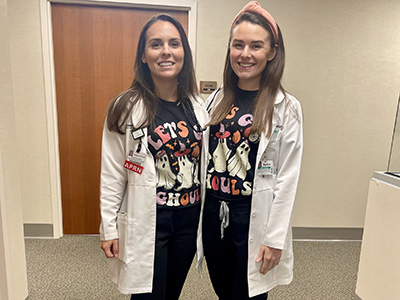
While working, Purcell realized she wanted to make a greater impact on patients' lives by supporting their health beyond the hospital.
“I was at the bedside, and I liked patient care so much, I wanted to follow patients after their hospital discharge,” says Purcell. “You get them well enough to be discharged, but they’re not completely recovered. They’re still navigating how to manage chronic illnesses, life after major surgery, or life-changing medical events.”
To achieve this goal, she decided to become a nurse practitioner, a role that would allow her to work more closely with patients, build relationships, support healthy decision-making and follow their recovery over time. With the support of her supervisor, a flexible schedule and a dedication to patient care, Purcell enrolled in the Family Nurse Practitioner program at the USC College of Nursing. She knew earning her Master’s of Science in Nursing would allow her to counsel and educate patients on preventing major hospitalizations and illnesses associated with lifestyle choices or unmanaged medical conditions.
After completing the master's program and living in rural Newberry, Purcell became a provider at the Newberry College Clinic. There, she primarily cared for college students, treating acute illnesses, upper respiratory infections, urinary tract infections and sexually transmitted infections. She also helped students understand how certain infections and illnesses are transmitted and ways to reduce their risk in the future.
Answering the Call to Serve Rural Communities
The Newberry College Clinic is also open to the public and serves walk-in patients. As a provider, Purcell also performed routine screenings, worked with patients on preventive measures and prescribed medications to support their ongoing care. Working at the clinic exposed her to a larger need within the Newberry community - access to primary and specialty care.
“I realized how much primary care is needed and how there’s no access to specialties,” says Purcell. “Part of the reason the clinic sees so many people is because of the lack of primary care and specialty offices or their primary care office is so overwhelmed.”
According to the U.S. Census Bureau, more than 10,800 people live in Newberry. With limited primary and specialty care offices available locally, residents can face barriers to accessible healthcare. “If I'm referring people, they’ve got to go out of town – drive 30 minutes to an hour for a specialty appointment,” Purcell explains. In addition to traveling long distances for a referral, patients may experience transportation issues, wait long periods for an appointment or delay treatment altogether.
Beyond limited access to local care, patients may also have few options when they need it most, leading them to turn to the emergency department for needs that could be addressed in primary or urgent care settings. “People need to know in a timely manner if they can go to work safely or stay home. They need answers and they need treatment,” Purcell shared. When patients turn to the emergency department for these needs, it can overwhelm the department and cost them significantly more to receive care.
Educating Patients, Supporting Healing
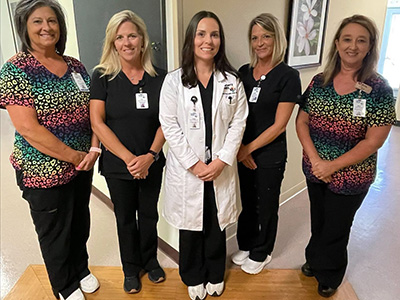
Now, Purcell works as a provider at Newberry Health Wound Care and Hyperbaric Center. There, she evaluates patients, assesses comorbidities, specializes in wound dressings and teaches patients how to care for their wounds to prevent them from reopening.
“We’re teaching them [the patients] how to dress their wounds, reminding them how comorbidities can affect the healing process and talk to them about their diet and activities,” says Purcell. “It’s a lot of lifestyle coaching that we have to bring up that people do not want to do, but you have to be direct with them. The goal of wound care is to heal the wound and prevent it from getting worse.”
Through her work in wound care, Purcell is fulfilling the purpose that first led her to advanced clinical practice – expanding access to quality care in a rural community while helping patients understand their conditions, navigate difficult decisions and take an active role in their health.