
Graduate Certificate in Biostatistics
Build the analytical skills to transform health data into meaningful evidence. The 15-credit Graduate Certificate in Biostatistics prepares researchers, public health professionals and graduate students to apply statistical methods, use statistical software and interpret quantitative findings with confidence.
-
Built for Health Impact from the Start.
Data shape decisions across public health, medicine and the biological sciences. The Graduate Certificate in Biostatistics provides applied training for professionals and scholars who want to strengthen their ability to select appropriate statistical methods, conduct analyses and communicate results.
Students complete a core sequence in biostatistical methods, statistical software and data management before selecting advanced electives based on their professional responsibilities, research interests and career goals.
What You’ll Learn
By completing the certificate, you will be prepared to apply appropriate methods of biostatistical inference, implement analyses using statistical software and communicate and interpret the results appropriately.
You will also strengthen your ability to read and critically evaluate statistical analyses commonly reported in professional public health publications.
Program Details
The Graduate Certificate in Biostatistics requires 15 credit hours, including nine hours of required core coursework and six hours of electives. Students select electives in consultation with an advisor from the Biostatistics Division, allowing the program to be tailored to individual interests and professional needs.
Introductory Biostatistics — Select One
- BIOS 700: Introduction to Biostatistics
- BIOS 701: Concepts and Methods of Biostatistics
- PUBH 725: Quantitative Methods for Public Health Practice II
Intermediate Biostatistics
- BIOS 757: Intermediate Biostatistics
Data Management or Statistical Software — Select Three Hours
Students may complete:
- BIOS 710: Effective Data Management for Public Health
Or select three total hours from the following:
- BIOS 709: Basic Software for Public Health
- BIOS 711: Introduction to R Programming
- BIOS 712: Introduction to Stata Software
- BIOS 714: Introduction to MS Access for Public Health
- BIOS 719: Advanced SAS Methods for Public Health
Students may request substitutions for required courses when they have completed equivalent or more advanced coursework. Substitutions require submission of the relevant course syllabus and approval from the certificate administrator or Biostatistics graduate director.
Choose two courses in consultation with your advisor:
- BIOS 754: Discrete Data Analysis
- BIOS 755: Introduction to Longitudinal Data Analysis
- BIOS 760: Biostatistical Methods in Clinical Trials
- BIOS 761: Survival Analysis
- BIOS 740: Functional Data Analysis
- BIOS 772: Artificial intelligence for Biomedical Data
Other courses may be approved based on the student’s interests, course availability and faculty expertise.
Who Should Apply?
The certificate is designed for graduate students, researchers and working professionals who want to strengthen their ability to analyze and interpret health-related data.
The program may be especially valuable for individuals working or studying in areas such as:
- Public health
- Epidemiology
- Medicine and health care
- Biomedical and behavioral research
- Nursing
- Pharmacy
- Exercise science
- Health services research
- Environmental health
- Psychology and the social sciences
- Program evaluation
- Government and nonprofit health organizations
Current USC graduate students may pursue the certificate alongside another graduate degree, with permission from their home department. No more than nine credit hours applied to a concurrent degree may also be applied to the certificate.
How to Apply
Current USC Graduate Students
If you are a current graduate student, consult your home department and the Biostatistics graduate director about adding the certificate through concurrent enrollment.
New or External Applicants
Applicants who are not currently enrolled in a USC graduate program should apply to the certificate through the USC Graduate School.
-
Learn from Experts in Health Data
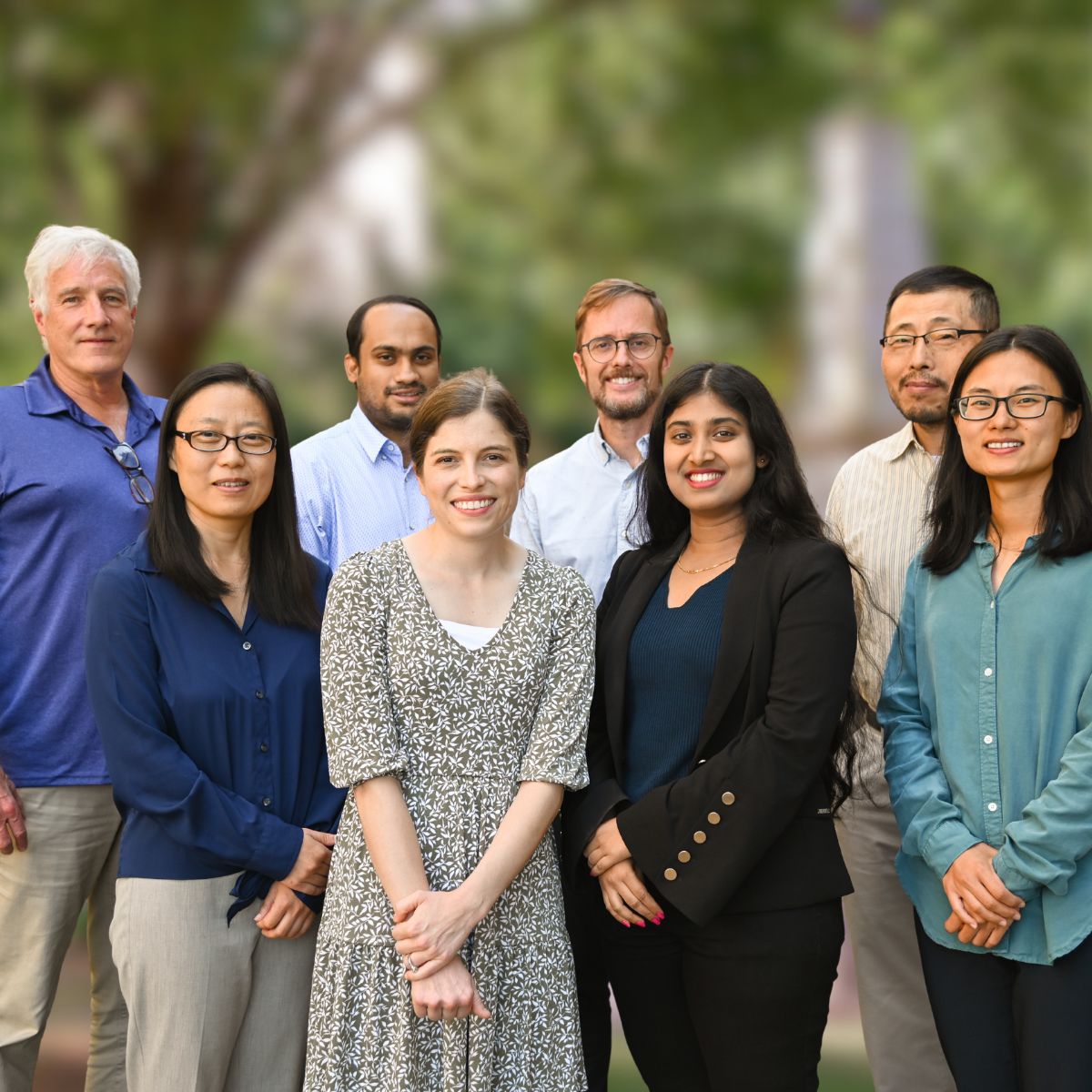
Biostatistics faculty at the Arnold School conduct research in areas such as statistical computing, data management, clinical trials, longitudinal and clustered data, survival analysis, spatial analysis, Bayesian methods, personalized medicine, electronic health records and research design.
This breadth of expertise gives students opportunities to learn methods that can be applied to a wide range of questions across public health, medicine and biomedical research.
Contact Us
Contact Robert Moran, Ph.D., Biostatistics Graduate Director for questions about the graduate certificate in Biostatistics at 803-777-7353 or rrmoran@mailbox.sc.edu.