
At CIC, students don’t just prepare for careers — they prepare to lead. They develop the skills and expertise to succeed in ad agencies, libraries, newsrooms, boardrooms, think tanks, startups and the C-suite. Whether in media and information, sports and analytics, or digital content design, our students transform their passions into impact.
CIC News
We create news — research it, write it, film it, share it. But we also make it. Explore what our faculty, students and alumni are up to — winning awards, studying new trends, changing the world.
-
Alumna Rachel Beanland writes what resonates
For author Rachel Beanland, inspiration is rooted in place. The USC alumna shares how her experiences at Carolina and beyond shaped her latest novel, 'The Half Life.'
-
"Mark: A Call to Action” to screen in July
See the inspiring story of disability rights advocate Mark Bookman, Ph.D. at a free documentary screening on Sunday, July 26, at 2:30 p.m. at Richland Library Main in Columbia.
-
United States breaks into Top 10
The United States has entered the Top 10 of the Sports Social Pulse™ World Cup rankings for the first time, marking another milestone for the host nation as excitement continues to build during the FIFA World Cup.
-
Beyond the game
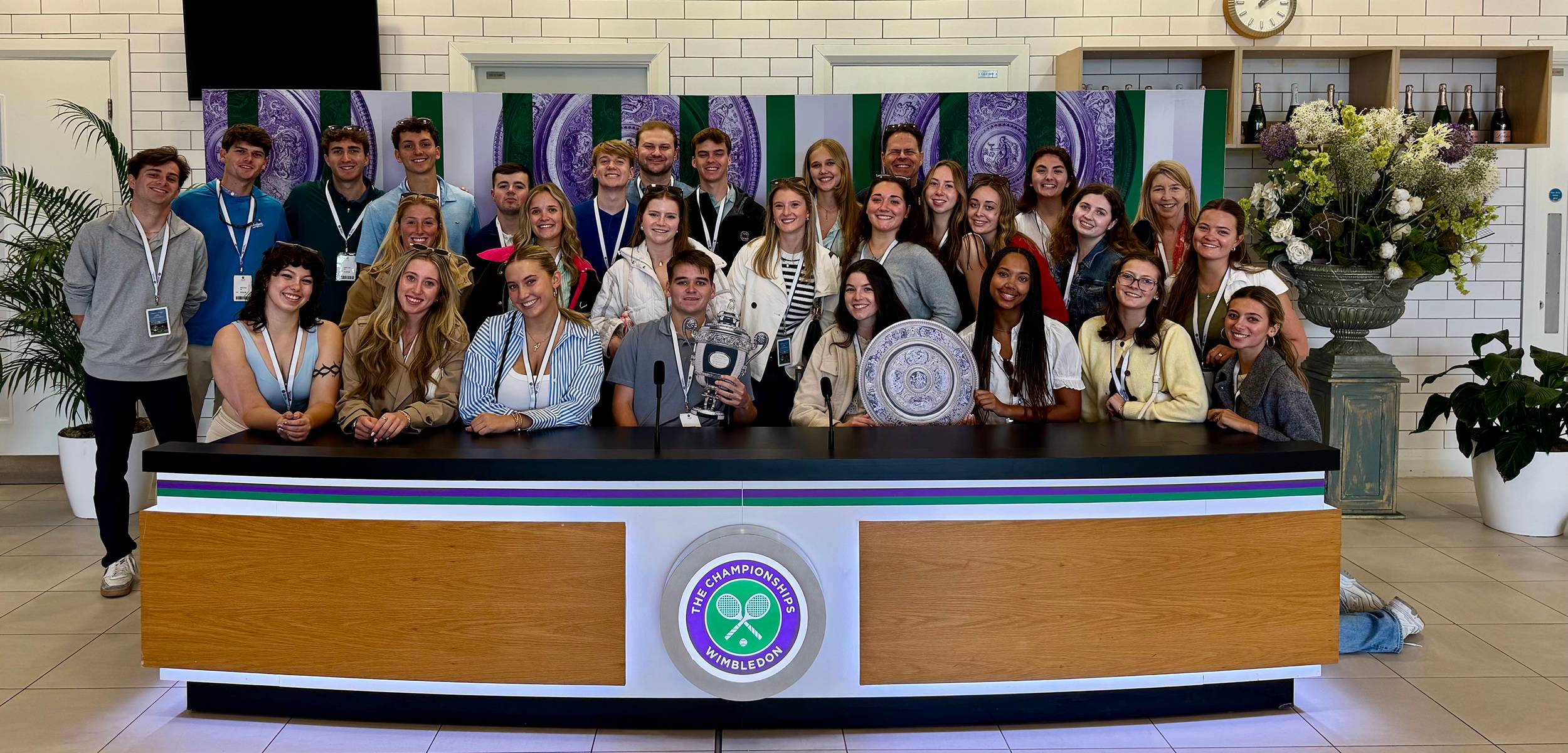
A Maymester journey through England and Scotland gave USC students firsthand insight into sports media, fan engagement, visual storytelling and the traditions that shape global sports culture.
-
Students win national journalism awards
USC students earned national honors in the Society of Professional Journalists' Mark of Excellence Awards, including a first-place photo essay and two finalist recognitions.
-
Literacy means everything
USC alumna Chardonnay Ismail supports Cocky’s Reading Express, helping inspire the next generation of readers.
-
The Art of advising
One educator's commitment to student success will inspire generations. The Art Farlowe CIC Student Success Award honors graduates who embody his values of perseverance and dedication.
-
Daring to be dangerous
Shayla Rae Merritt is making an impact in Columbia. The CIC alumna and Cyberwoven marketing director is helping organizations tell their stories while strengthening her community.
-
Amber Guyton’s Blessed Little Bungalow
Bold colors. Bright ideas. Big dreams. Advertising alumna and interior designer Amber Guyton turns ordinary houses into joyful homes.


-
-
Majors and Degrees
Communicating the right message to the right audience, or organizing information to make it easy for people to find and use — that’s what we teach. We prepare you to succeed in communications and information.
Academic Programs -
-


