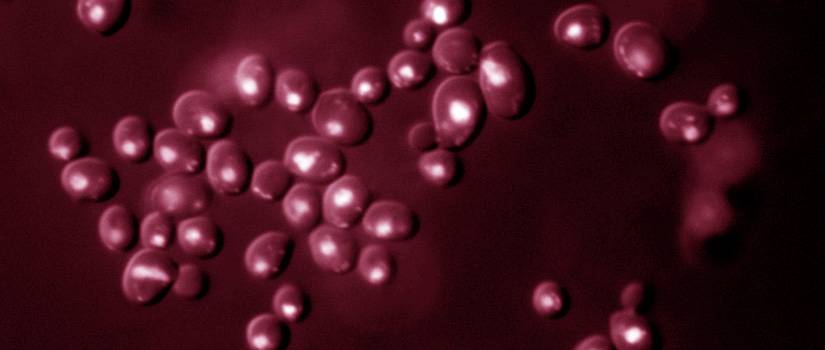
How do fungal pathogens acquire the iron they need to survive—and how can we stop them? Iron is essential for life, but it is also potentially toxic. For fungal pathogens, managing iron is especially challenging during infection, where they must compete with the host for limited resources while avoiding damage from excess iron.
In the Outten Lab, we study how fungi maintain iron homeostasis and redox balance under these conditions. By uncovering the molecular systems that control iron acquisition, trafficking, and utilization, we aim to identify vulnerabilities that can be targeted for new antifungal therapies.
Fungal infections are an increasing threat to human health, particularly for immunocompromised patients. Treatment options are limited, and resistance to existing antifungal drugs is rising.
Iron is a critical point of vulnerability for fungal pathogens: they must obtain it from the host, carefully regulate its use, and protect themselves from iron-induced stress.
Our research focuses on understanding these processes at a fundamental level. By identifying how yeast and other fungi manage iron and maintain redox balance, we aim to uncover new targets for antifungal drugs and therapeutic strategies.
We combine complementary approaches to connect molecular mechanisms with cellular function:
- Genetics to identify pathways required for iron regulation and virulence
- Biochemistry to characterize protein structure and function
- Cell biology to study these processes in living cells
- Spectroscopy and biophysical methods to probe metal-protein, protein-protein, and protein-DNA interactions.
While we often use non-pathogenic yeasts as model systems (e.g. Saccharomyces cerevisiae and Schizosaccharomyces pombe), our work is increasingly focused on pathogens (e.g. Aspergillus fumigatus and Candida albicans).
We are always interested in motivated undergraduate and graduate students, as well as postdoctoral researchers.
In the Outten Lab, you will:
- Work on biologically and medically relevant questions
- Design and carry out independent research projects
- Gain experience in genetics, biochemistry, and cell biology
- Be part of a collaborative and supportive research environment
- Present your work and contribute to publications
We are looking for curious, driven scientists who are excited to tackle challenging problems at the interface of chemistry and biology.