Nursing Professor Secures NIH RO1 Grant to Drive Data-Driven Solutions
Cancer remains a significant public health challenge in South Carolina. According to the American Lung Cancer Association, approximately 47,000 South Carolinians lived with lung cancer between 2000 and 2021. Meanwhile, the South Carolina Department of Public Health reports colorectal cancer as the fourth most diagnosed cancer and the second leading cause of cancer death among men and women in the state.
Yet not all patients receive treatment after a cancer diagnosis. Whether due to poor health, treatment refusal, or other systemic barriers, these gaps underscore the urgent need for equitable cancer care.
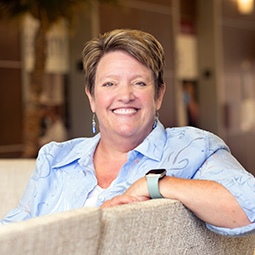
With her groundbreaking research, Swann Adams, College of Nursing and Arnold School of Public Health professor, is determined to change that. Backed by a new five-year NIH RO1 grant, her work seeks to dismantle barriers to treatment and reduce disparities in cancer care outcomes.
A Career Rooted in Addressing Disparities
Adams has dedicated her career to examining cancer disparities, from prevention and screening to diagnosis and survivorship. Her latest study marks a culmination of this work, but the path to securing the prestigious NIH RO1 grant was far from straightforward.
“My mentor once told me, ‘Don’t fall in love with your own idea,’” Adams recalls. That advice guided her through the rigorous and iterative grant process, ensuring her research objectives remained focused on meaningful impact.
Why This Study Matters
Despite decades of advancements in cancer prevention, diagnosis, and treatment, the persistent disparities affecting minority and underserved populations reveal a critical gap in health care equity.
“Research has immense potential, but when it stays confined to academia, it loses its power to make a difference in people’s everyday lives,” Adams explains. Her study aims to bridge this gap by leveraging data in actionable ways.
A Systems-Level Approach
Guided by the National Institute on Minority Health and Health Disparities (NIMHD) research framework, Adams’ multi-disciplinary team will address disparities by getting a holistic understanding of the linkages, barriers and opportunities affecting communities.
In the first two years of the study, the research team will build a comprehensive dataset to identify disparities in survival outcomes for lung and colon cancer patients. After the data is collected, an advisory board of community leaders, organizations and clinicians will help guide the development of actionable, multi-level interventions.
“This is a unique opportunity to address a critical gap in understanding racial cancer disparities, particularly among younger cancer survivors.”
Data-Driven Solutions with Community Collaboration
Long-standing community partnerships and unique data resources will ensure the quality and integrity of the data.
To date, the team has submitted six data requests to state agencies and has received data from the South Carolina Central Cancer Registry. They are working closely with the SC Revenue and Fiscal Affairs Office to secure the remaining datasets. While the process is complex, it helps the team remain on track with the grant timeline.
“By collaborating with the community, we ensure the data aligns with real-world experiences. This co-learning approach fosters meaningful change,” says Adams.
This is a unique opportunity to address a critical gap in understanding racial cancer disparities, particularly among younger cancer survivors.