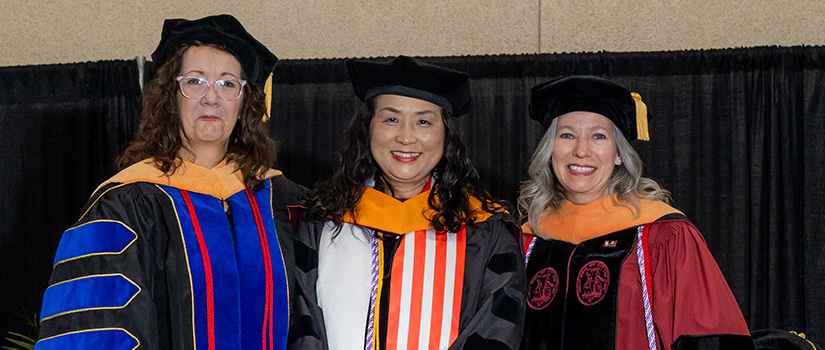
Ann Cook ('26 DNP), a graduate of the University of South Carolina College of Nursing Family Nurse Practitioner program, recently completed clinical preceptorships in emergency medicine and veteran care. Through these hands-on experiences with dedicated preceptors, she strengthened her communication, clinical reasoning, and patient care skills while gaining valuable insight into caring for veterans within the Department of Veterans Affairs healthcare system, and underserved, vulnerable populations in community health settings through Cooperative Health clinics.
Reflecting on her clinical rotations, Cook shares the lessons she learned, the confidence she gained, and the lasting impact her preceptors had on shaping the healthcare provider she aspires to be.
What valuable lesson from your clinical experience could not have been learned in the classroom alone?
One valuable lesson I learned was the importance of human connection in patient care. English is not my first language, and at times I felt nervous about my accent. However, during my clinical rotations, I learned building trust, showing empathy, respecting patient perspectives and concerns, and communicating with sincerity are just as important as selecting the correct medication or treatment plan.
I realized patients respond not only to medical knowledge, but also compassion, attentiveness and genuine care. I also learned that my sincere desire to help patients and caring heart could help me connect with patients despite our differences. These lessons helped shape both my confidence as a clinician and the type of provider I hope to become.
How did your preceptor prepare you to provide care to veterans?
I was fortunate to complete a preceptorship in the Columbia VA Emergency Department, where I gained valuable experience caring for veterans with acute, urgent and chronic health conditions. My preceptor emphasized the importance of thoroughly reviewing each patient’s history before entering the room and encouraged me to think critically about potential differential diagnoses in advance. After completing my assessment, I had the opportunity to discuss my findings, clinical reasoning, and the appropriate diagnostic workup with her.
Initially, I felt intimidated by the acuity and sudden nature of emergency presentations. However, my preceptor demonstrated how to approach complex situations in a calm, organized, and systematic manner while also providing compassionate education and reassurance to veterans and their family members. She consistently encouraged me, created meaningful teachable moments during every shift, and even shared additional learning resources during downtime to help me prepare for similar future cases.
In what ways did your preceptor contribute to your preparation for clinical practice?
The USC Nursing FNP program provided a strong and thorough curriculum that built my clinical foundation and gave me confidence in preparing for certification and practice. But my preceptors played a major role in helping me develop clinical reasoning. They frequently asked thoughtful, insightful questions that challenged me to think beyond surface-level answers and understand the “why” behind my clinical decisions. These discussions often motivated me to study further after clinic, deepening my understanding of the material and helping me feel more prepared for future patient encounters.
One experience that stood out to me was when my preceptor asked why I had chosen a particular medication for a patient with depression. As I explained my reasoning, discussed patient-specific factors, and considered alternative treatment options, I realized how much knowledge I had retained and integrated. That conversation helped me recognize that I had developed a deeper understanding and stronger clinical judgment than I had given myself credit for.
How would you describe the impact preceptors can have on students?
I was very fortunate to have many wonderful preceptors throughout my journey. At times, I felt timid, hesitant, and doubtful of myself, but my preceptors often saw potential in me that I could not yet see in myself. They continued to encourage, challenge, and patiently guide me as I developed confidence and clinical judgment.
My pediatric preceptor was especially patient and consistently encouraged me throughout my rotation. She shared a motto that has stayed with me: “Never stop learning. Stay focused, and everything will line up.” Her encouragement and mentorship helped shape both my confidence and professional growth.
A preceptors encouragement, teaching, and trust can have a lasting impact far beyond the clinical rotation itself.
Want to shape the next generation of NPs? Become a preceptor and help train future nurse practitioners.