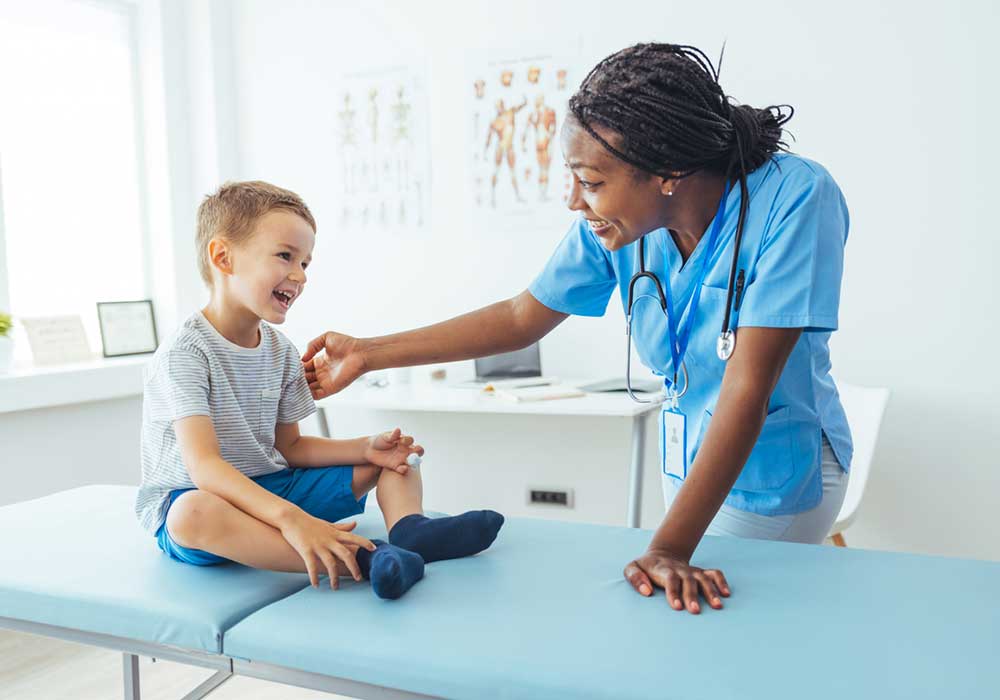
South Carolina has one of the highest disability rates in the country, yet individuals with disabilities remain significantly underrepresented in health care roles.
The University of South Carolina College of Nursing is working to change that.
- In South Carolina, 1 in 3 adults report having a disability — compared with the national average of 1 in 4.
- Despite this, only 4% of the nation’s health care workforce identify as having a disability.
- Only 40% of South Carolinians with disabilities are employed, and 27% live below the poverty line.
Many health care providers have limited experience treating people with disabilities, which can result in miscommunication, unmet needs and health care challenges. The college’s new initiative aims to address both the workforce and care gap.
Expanding care
Backed by The Duke Endowment, the College of Nursing is launching a multi-year initiative to increase pathways into nursing for people with disabilities. The effort is led by Susan Newman, Health Sciences Endowed Chair, in collaboration with Able SC, Lexington Medical Center and the National Organization of Nurses with Disabilities.
As a rehabilitation nurse and researcher, Newman’s work has centered on partnering with people with spinal cord injuries and other disabilities to improve health, independence and community inclusion.
“I’ve seen firsthand the invaluable expertise and perspective they bring—not just as patients, but also as advocates, innovators and leaders, ” says Newman. “What makes the project especially powerful is that it’s being co-designed and implemented with people with disabilities, not just for them.”
The program will begin with a summer immersion experience for high school, college and second-degree students with disabilities who are interested in nursing careers. Students will train in clinical skills, learn about health equity, and explore assistive technologies and disability rights in the college’s state-of-the-art simulation center. All accommodations—including accessible housing, transportation and meals—will be provided to give students a full campus experience.
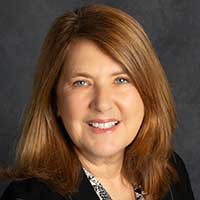
“This program has the potential to reshape nursing education and practice by modeling what true inclusion looks like and providing supports and strategies on how to do it."
Supporting nurses at all levels
The initiative doesn’t stop with students. Licensed nurses with disabilities will also be supported through career development resources, peer mentorship and advocacy tools. In addition, USC Nursing faculty and hospital partners will take part in annual professional development workshops focused on accessible health care for all abilities.
This inclusive approach is expected to enhance care delivery, reduce stigma and ultimately build a more knowledgeable and compassionate nursing workforce in South Carolina and beyond.
“This program has the potential to reshape nursing education and practice by modeling what true inclusion looks like and providing supports and strategies on how to do it,” says Newman. “It’s about building a workforce that reflects the communities we serve and ensuring that disability is seen as an essential dimension of diversity.”
