When Wenbin Tan pivoted his research a few years ago to better understand the effects of COVID-19 on the cardiovascular system, his efforts led to a hunt for natural compounds that could counteract the virus’ effects.
Tan, an associate professor of cell biology and anatomy at USC’s School of Medicine in Columbia, and his clinical partners were the first to report serum lipid abnormalities in COVID patients. With Taixing Cui, a former faculty member with the School of Medicine now at the University of Missouri, Tan developed a model of the COVID-19 virus spike protein and was awarded a pilot project grant from the NIH Center for Targeted Therapeutics program.
“We had been studying some long-term effects of post-COVID infection, including cardiomyopathy from mitochondrial stress and cellular damage caused by the virus’ spike protein,” Tan says. “We wanted to find compounds that might help attenuate damage from the virus; some seemed to work, and others didn’t.”
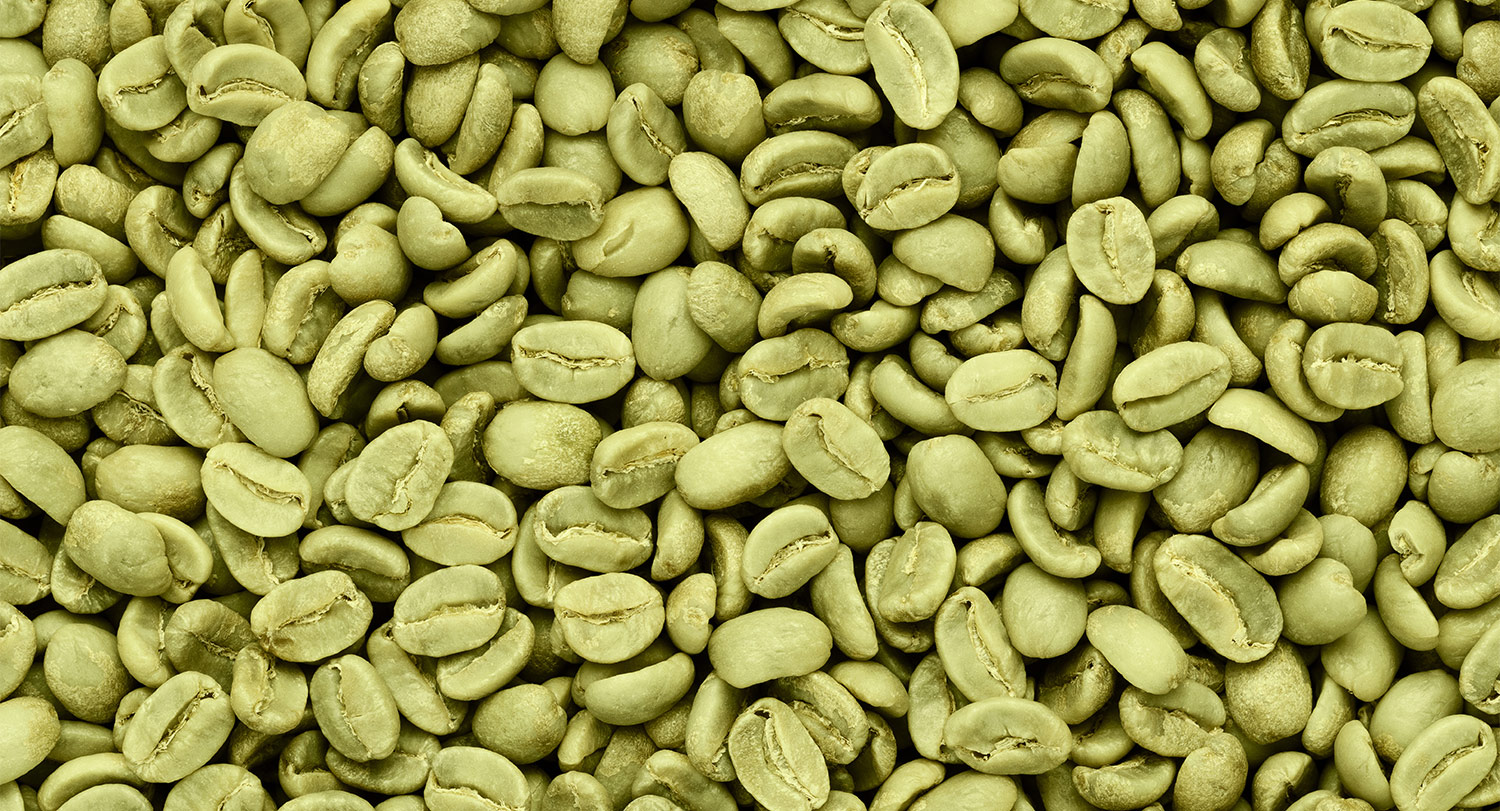
Two natural compounds that did show promise — trigonelline (TRG) and chlorogenic acid (CGA) — were known to be abundant in unroasted green coffee beans.
“I was especially interested in finding something that had a track record of being safe. Coffee and coffee byproducts have been consumed for centuries, and both compounds have been extensively studied by researchers around the world with no mention of side effects,” he says.
TRG and CGA are natural antioxidants that can help boost mitochondrial function and counteract low-grade chronic inflammation. Last year, Tan worked with USC’s Technology Commercialization Office to apply for a U.S. patent focused on the efficacy of TRG in mitigating the effects of spike-protein-induced cardiomyopathy. To further the research, Tan’s lab began developing its own techniques for extracting the two compounds from green coffee beans.
“Brewed coffee is not a particularly good method to preserve the active forms of those compounds because the high temperature of roasting the beans breaks down their presence by up to 90 percent,” Tan says.
Green coffee bean extracts are widely available on the dietary supplement market, and Tan has begun offering his own version through TritaliMed, a Columbia, South Carolina-based dietary supplement company registered by the Food and Drug Administration. Tan’s version does not involve any chemicals, synthetic materials or artificial additives.
About 200 people, including family members and friends, have been using the TritaliMed extract and anecdotally report improved energy and digestive function and better skin condition and metabolic indices.
Tan plans to further refine his extraction technique to create a next version of the extract with enhanced bioavailability within the next two years.
“It’s not a magic bullet,” he says, “and it’s not a prescribed medication for metabolic dysfunction, but it can help restore normal physiological cellular function, boost energy and maintain health. It’s a good dietary supplement.”