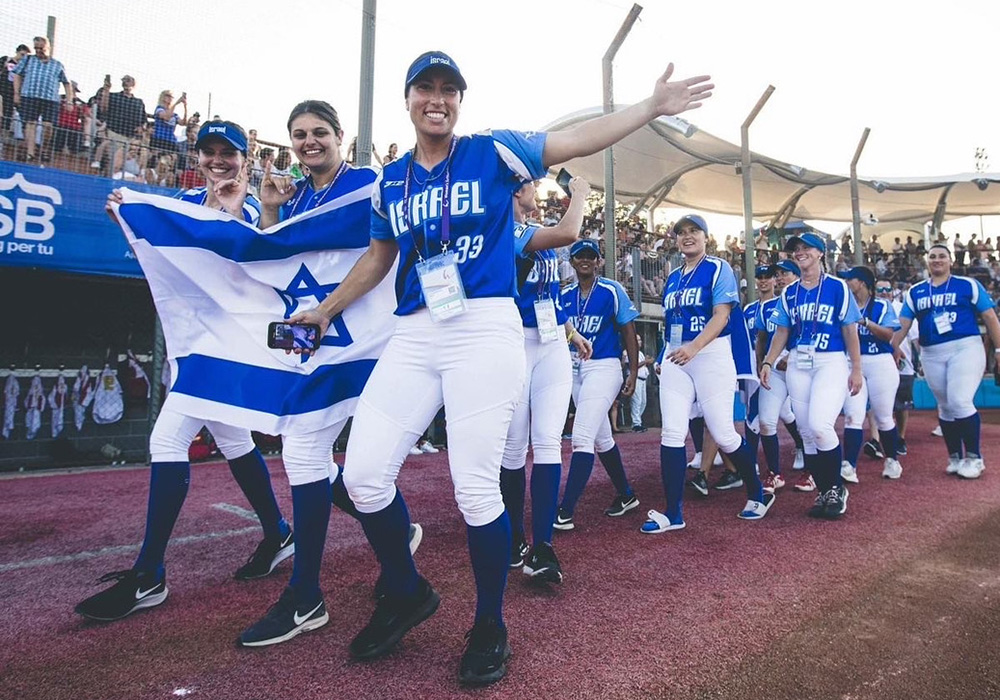
For former NCAA Division I softball player Olivia Gott, life post-sports challenged her identity and mental health.
“As a college athlete, they really make it impossible to not be successful. Everything is scheduled for you, including classes, study time, practice, workouts and treatments,” says Gott, who played catcher at the University of Virginia. “That has its pros and cons because when you graduate, you have to learn how to make it by yourself.”
Transitioning out of sports created an identity crisis that led to depression and neglect of her self-care.
“I packed up four years of college in my little Toyota Camry. I was getting ready to drive 16 hours home to South Florida, not knowing what's about to happen. The evening before I was Olivia, the softball player. Then I woke up and I was not,” Gott says.
Although she says she felt excitement in not knowing, it also led to some struggles where she depended on the support of her family and friends. A desire to assist others going through similar experiences is now driving her career as a licensed clinical social worker. She earned her master’s degree in social work at the University of South Carolina in 2023 and now works at Bright View Counseling in Charlotte, North Carolina, where she specializes in supporting athletes and retired athletes.
This July, Gott will travel to Israel as the mental health therapist for the U.S. delegation to the 2026 Maccabiah Games, known as the Jewish Olympics. She will support athletes as they navigate the mental, emotional and spiritual demands of high-level competition.
As a competitor in the 2022 games, Gott has a unique perspective. She won a gold medal as a member of Israel’s softball team and says she’ll lean on her own experience to build a connection and therapeutic relationship with the athletes.
“I’ve been there and know what it’s like to compete at the games. By relating my experiences, I can build trust and make them feel comfortable, welcomed and heard,” she says.
After Gott completed her undergraduate degree in English, she accepted a position with Oracle, a software company, in Texas, but she missed playing softball. With her father helping to research opportunities, she connected with the Israel Softball Association, which was recruiting Jewish American softball players. In 2019, she along with six other Jewish American softball players made Aliyah (coming home) and became citizens of Israel in order to represent the country in international competition.
“I competed in multiple countries for four years. I got to travel, I got to play softball, and I got to represent Israel and the Jewish people,” Gott says. “That became really important to me, which was something I didn’t realize until I traveled to Israel. In undergrad, I didn't have time to lean into my Jewish faith, but thank goodness I found something to connect with because I was struggling from an identity standpoint at the time.”
Athletes competing on a big stage such as the Maccabiah Games experience many emotions. Gott relates the excitement of the opening ceremonies at Teddy Stadium in Jerusalem, the thrill of winning a gold medal and the competitive spirit of the games.
“Israel is the last delegation to walk into stadium, and I felt like I was part of a halftime show for the Super Bowl,” she says. “The stadium is full of Israelis cheering on the home team. At the end they play the ‘Hatikvah,’ the Israeli national anthem. It was so sentimental and profound, representing the resilience of the homeland and the Jewish people.”
In the championship game, Israel defeated the United States for the gold medal, which was both an exciting and poignant moment for Gott: “I’m an American first, but I was also thrilled to win gold and proud to represent Israel.”
She will draw on those experiences and emotions to support U.S. athletes in the Maccabiah Games this summer.
“Many sports are represented in the games, so the sports might be different, but the athletes are the same,” Gott says.
The competition and atmosphere are supposed to be fun, but they can also be stressful. Tools such as pregame routines, grounding and relaxation techniques, and visualization scripts can help athletes set goals and enjoy their time both on and off the field, she says.
After competing in the Maccabiah Games, Gott was comfortable walking away from softball.
“I felt like I got everything I needed from the sport and from the Team Israel experience, and I was ready to pursue my career,” she says.
She wanted to stay connected with sports and support athletes, so after networking with her softball contacts, she decided to study for an MSW at the University of South Carolina – where she also served as a graduate assistant for the Gamecock softball team. The experience involved significant travel, attending practices, and supporting the team however she was needed.
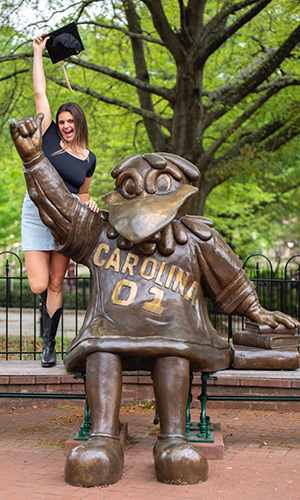
“My first priority was getting my degree, and the coaching staff was really supportive of my academic commitments,” Gott says. “I learned valuable skills in time management and communication.”
She says she also was able to build valuable relationships with her classmates and professors as well as the team and coaches.
“The SEC is the highest level of college softball. On game days, I felt the same thrill that I did when I was a college player,” Gott says. “I will always cherish that feeling and any contribution I may have made to the team's success.”
Her professional practice specializes in counseling athletes and retired athletes, leveraging her USC degree and a sport social work certificate she earned from the University of Michigan.
“It's a cool niche,” she says. “I look at the athlete holistically, whether that’s supporting them with the struggles and challenges they face or helping to plan for their transition from sports.”
As Gott reflects on her journey from softball player to mental health therapist and her personal and career growth, she says, “Leaning into my Jewish faith and playing sport has allowed me to be unapologetically myself. That feels like what the word Aliyah is supposed to embody, which is coming home.”
That’s why being a mental health therapist at the 2026 Maccabiah Games is an aspiration fulfilled.
“The Maccabiah Games have always stood as a powerful symbol of Jewish resilience, unity and pride,” she says. “I’m so grateful for the support from my practice as I take time away from work to chase my dream.”