Alumni Kathy Carlsten and Peter Siachos say their Honors College experience smoothed the transition to the demands of law school and the skills they developed laid a foundation for their professional success as lawyers.
“The advocacy approach in honors classes encourages debate with your professors and classmates,” Carlsten says. “Engaging in those conversations helped me learn to articulate my position and trust my own voice.”
Carlsten and Siachos, who both graduated from the University of South Carolina Honors College in 1997 and the Joseph F. Rice School of Law in 2000, say they draw on the critical thinking and collaborative skills, the debate-oriented approach and intellectual ambition required in honors courses in their legal practices.
“It taught me to think critically, to argue respectfully and to constantly learn,” Siachos says. “It made serious learning feel exciting and personal.”
Carlsten and Siachos are now in management positions in the Charleston offices of their respective multistate firms. Carlsten (’97 finance, 2000 law) is managing partner of the Charleston office of Copeland, Stair, Valz & Lovell, which specializes in civil litigation. Siachos (’97 political science and Spanish, 2000 law) is co-chair of Commercial Litigation and Class Action practice groups and managing partner of the Charleston office for nationwide firm Gordon Rees Scully Mansukhani.
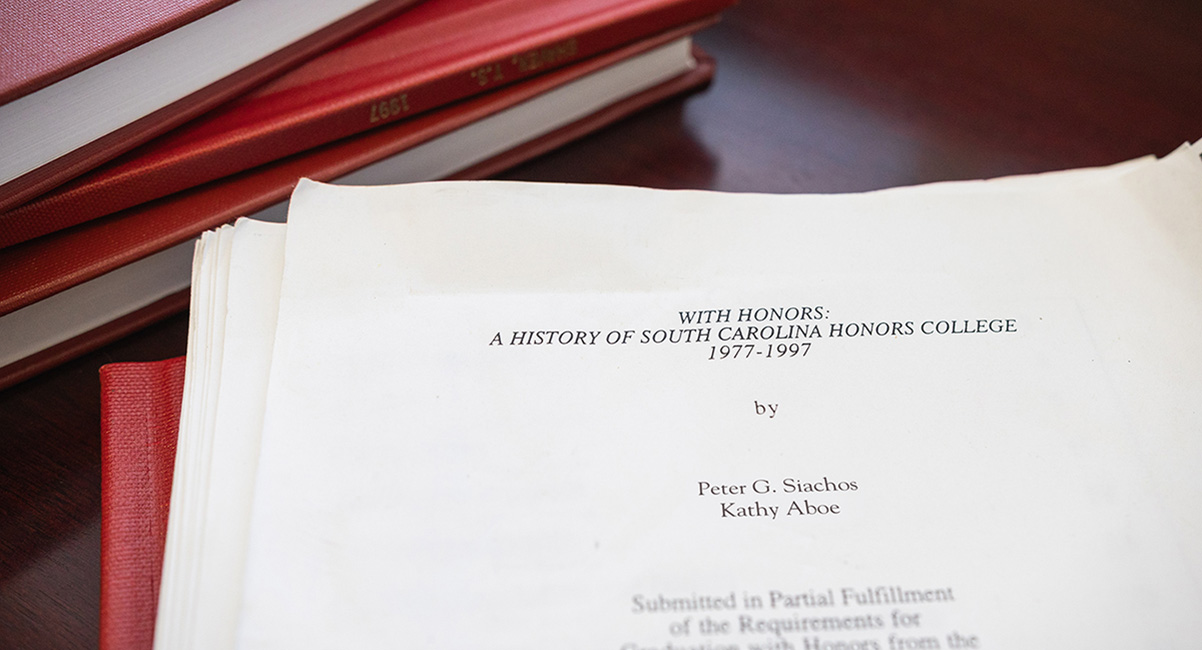
As the Honors College approaches its 50th anniversary, Carlsten and Siachos reflected on their education at USC, their collaboration on a senior thesis exploring the college’s history at the 20-year mark, and their nearly three decades in the legal profession.
What were your experiences in the Honors College and at USC?
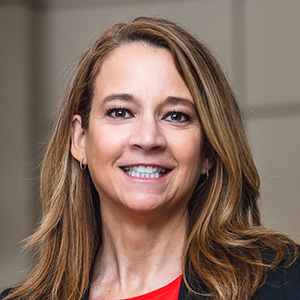
Carlsten: Although I’m from a military family, I consider South Carolina home because we were stationed in Charleston twice, and I went to high school there. USC was the only place I applied, and the Honors College was the best of both worlds. Smaller classes gave the intimacy of a smaller college with the resources and opportunities of a major public university.
I was able to work in the office of (former USC president) John Palms. It was a huge opportunity that helped prepare me for my future and bolstered my desire to go to law school. Dr. Palms even wrote a letter of recommendation on my behalf. I also participated in a sorority, which helped balance my social life outside the Honors College.
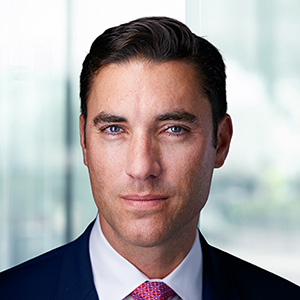
Siachos: After graduating from high school in Greenville, South Carolina, I applied and was accepted to several colleges. After thinking about whether I wanted to be in the big pond of USC, my decision was “yes.” No. 1, I was a Gamecock fan. No. 2, I got into the Honors College. The high expectations were exactly what I thought they would be. Instead of being intimidating, it was energizing.
I had various positions in student government, including student body treasurer. I also participated in a fraternity and extracurricular activities to contribute to the community and the university. One of my proudest moments is receiving the Algernon Sydney Sullivan Award (the top award for undergraduates) in 1997. I’ve done very well professionally, but one of the things I’m most proud of is that recognition by the university.
Your senior thesis was a history of the Honors College from 1977-1997. Describe your research and writing process.
Carlsten: Peter and I were looking for an original topic that we could really dig into. We knew it would be a heavy lift with extensive research and interviews with current and former presidents, deans and faculty of the university. Without personal computers, the Internet or Zoom, we dug through documents and microfiche at Thomas Cooper. We worked on our paper at the computer lab and saved it on a floppy disk. We took pictures with an actual camera and had them developed. I remember a lot of Wite-Out.
Siachos: It was labor-intensive to compile the history of an institution that was founded in 1977 that no one had written about previously. It was challenging in the way that a good education should be challenging. We were capturing live history and recording the institutional memory of the Honors College from the actual founders and leaders. That was 30 years ago, and with the 50th anniversary coming up, maybe it’s time for an update.
What skills did you practice for writing the thesis that are still beneficial?
Carlsten: Working collaboratively is something we do every day as lawyers. You have to work well with your peers, your colleagues, even with opposing counsel. The interviewing process is something we do throughout our cases.
Siachos: It taught us how to manage and research a long, complex piece of work. Those habits have served us throughout our careers. We gather facts, weigh competing accounts and look at documents and evidence that we turn into a coherent narrative – one of the most important things any student can learn is to write well.
What was your motivation for attending USC’s law school and how did it help you meet your goals?
Carlsten: The structure of Honors College classes helped solidify my path to law school. With my degree in finance, I thought I would be a transactional lawyer, but through my experience at the Honors College and the law school, advocacy and litigation appealed to me. By clerking with (retired 9th Circuit Court) Judge Victor Rawl, I saw all kinds of law practices. I decided to go to work at the Solicitor's Office where I had opportunities to get into the courtroom quickly. I’ve been with Copeland, Stair, Valz & Lovell for 22 years. I handle a wide range of defense litigation, including transportation, general liability, insurance coverage, and construction defect cases.
Siachos: From an early age, I liked to have an audience, to speak in public and argue a point, so law school seemed a natural choice. After a clerkship with (former) S.C. Gov. Jim Hodges, I joined Nelson Mullins in Columbia, where I gravitated to commercial litigation. I’ve been with Gordon Rees Scully Mansukhani for 13 years. We are the only firm that practices in all 50 states with 2,100 attorneys on staff.
What do you consider some of the achievements of your career?
Carlsten: The biggest successes are cases we’re able to resolve early and without a lot of hardships for the clients. The legal process, including deposition and motions, for big cases can be very personal and involved for all parties. When we can resolve the case expeditiously and efficiently, it reduces the stress and expense for everyone. My clients appreciate my efforts to work on early resolutions but also being able to see a case through trial when necessary.
Siachos: As a partner in the largest commercial litigation firm in the country, I have been recognized as the busiest lawyer in federal court and as one of the top 150 franchise lawyers in Canada and the U.S. But what I'm most proud of is that I'm a trial attorney. My education at USC built the foundation for the preparation, discipline and confidence to try any case against anyone.