When the lights went down on Charleston’s Dock Street Theatre on June 26, 1970, history was made. America’s defining opera had finally come home.
The night marked the first time since its 1935 premiere that the folk opera Porgy and Bess had been performed in Charleston, the city that inspired DuBose Heyward, the writer of the novel on which the opera is based.
“The first‐night audience responded enthusiastically from the time the curtain opened on a set based on authentic Charleston buildings,” states the New York Times’ 1970 review of the premiere, which was part of the Holy City’s tricentennial celebration. The article fails to note the production’s other boundary-breaking accolade: it marked Charleston’s first integrated audience.
About 2,700 people — white and Black — filled the historic theater’s seats to watch the lives of those living in Catfish Row. The production, which was performed by the internationally lauded Choraliers Music Club, put on 14 performances.
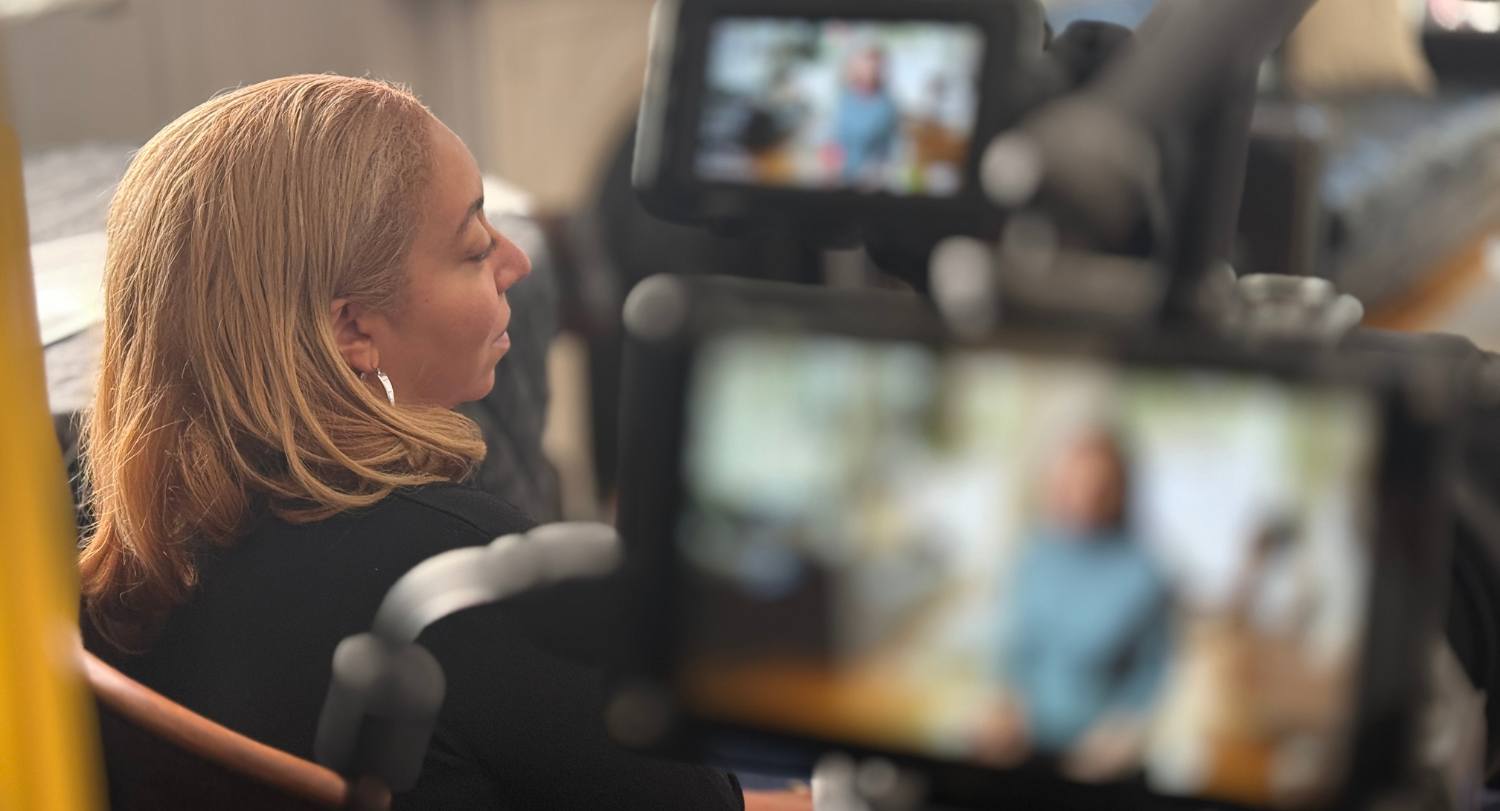
Lauren Waring Douglas, a South Carolina filmmaker and USC alumna, is making that production — as well as the Gullah culture that inspired Heyward’s 1925 novel — the subject of a new documentary, When Porgy Came Home.
“(Charleston) Mayor Joe Riley said it to me perfectly,” Douglas says. “The 1970 production of Porgy and Bess, you remember Charleston before and you remember Charleston after.”
Porgy and Bess was published as a novel in 1925 and premiered in Boston as an opera a decade later. The George and Ira Gershwin production was notable because the creators demanded all-Black casts perform, and the tunes Gershwin and Heyward created for the production went on to become jazz standards, like the song “Summertime.”
And though Porgy and Bess has become an American cultural bedrock, those 1970 performances — and how they helped usher in the post-segregation era — have largely been forgotten.
Coming home
Douglas grew up in Charleston before making her way to the University of South Carolina, where she graduated with a media arts degree in 2006. She completed graduate school in Chicago at the height of the Great Recession and struggled to find meaningful work. Once she decided to come home to South Carolina, though, her phone started ringing. Literally.
“My Motorola Razr cellphone started ringing and every other phone call was someone offering me a gig,” Douglas recalls. “And it was like the universe was like, ‘Little girl, I’ve been waiting on you.’”
As an undergraduate at USC, Douglas gained plenty of on-set experience, working on features and commercial sets. Back in South Carolina years later, she leveraged those connections to work on sets like Army Wives and Leatherheads.
The 1970 production of Porgy and Bess, you remember Charleston before and you remember
Charleston after.
After producing a townhall for PBS about the aftermath of the Mother Emmanuel AME shooting in Charleston, she realized her value in the media landscape: She is a vital connection point between out-of-town filmmakers and locals, ensuring the South is not caricatured. It led her to producing the PBS short documentary Saving Gullah Land, which features a Lowcountry family grappling with the complex legal and legacy ramifications of owning heirs’ property.
Through it all, Douglas has worked at the National Advocacy Center on USC’s campus.
Since 2014, Douglas has been producing eLearning courses for the Office of Legal Education at the National Advocacy Center, located at USC Columbia. She focuses on directing television productions, video editing and filming scenes for the center’s educational television network.
“A career in media is not limited to Hollywood,” she says. “We need media to function daily and there is more than one way to have a viable career in film and television.”
A new take on an American classic
Douglas is dedicated to building upon that career in South Carolina, where she splits time between Columbia and Charleston. It was in her hometown where she connected with Jonathan Green, whose paintings of Gullah and Lowcountry life have become internationally renowned.
He was part of the team that staged Porgy and Bess for the Spoleto USA festival in 2016. He pitched the idea of a documentary to Douglas. At first, Douglas struggled to find a way into the story that resonated with her.
Then she called her father, Keith Waring, a USC alumnus and Charleston city councilman. He told her about the 1970 production. He told her how it was a turning point for Charleston, and how it helped spur the post-segregation reconciliation that aided in courting the tourism and economic investment seen today.
Everything clicked into place.
Douglas has spent a decade researching, conducting interviews and filming the documentary. This summer, she presented clips from the documentary alongside a conversation with Green and musical performances from the opera at Spoleto, the Italian culture festival that launched a Charleston version in 1977, in part, because of the success of the 1970 Porgy and Bess production.
“I’m 10 years in and to be honest with you, the first six to seven years were really oral history collecting,” Douglas says.
She expects it will take a few more years to iron out the film and secure licensing rights, but the long timeline will not deter Douglas from telling the Gullah perspective of America’s folk opera.
“The culture is in our hearts … even if everything disappeared today, it’s forever,” she says.