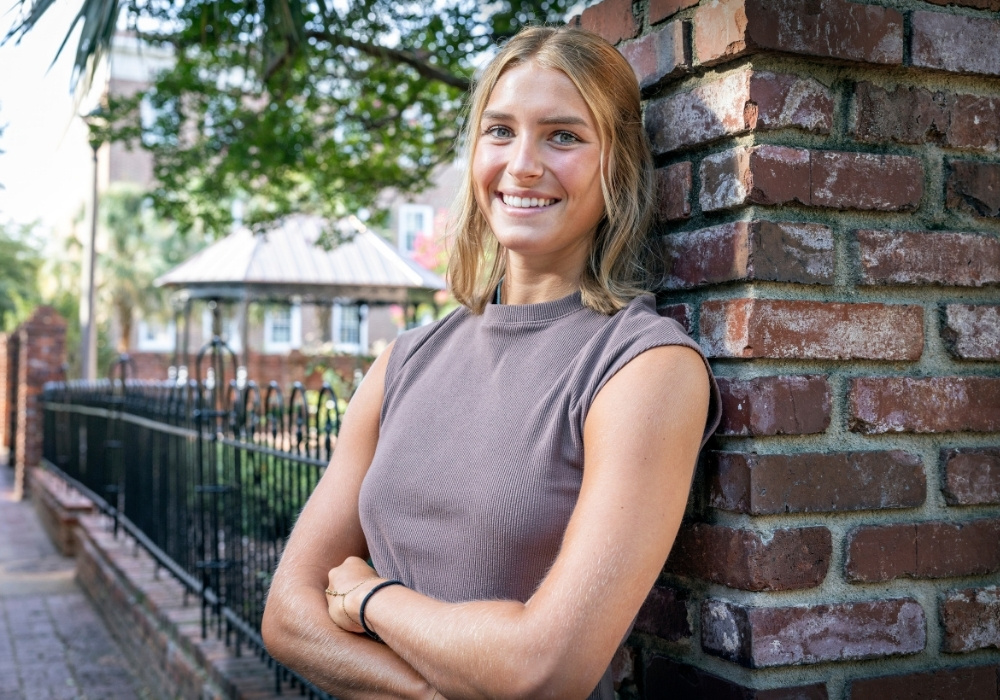
Alden Zerkle grew up loving the ocean and its inhabitants. She spent her free time watching wildlife documentaries on Discovery Channel and National Geographic, so when she was recruited to swim at the University of South Carolina, she knew she wanted to study marine science.
“I went to the beach every year with my family — I love the water,” says Zerkle, who is from Ashburn, Virginia. “It is a place that has always brought a lot of happiness to me. And as I got older, I realized that I could make a career out of my interest in marine biology and wildlife conservation.”
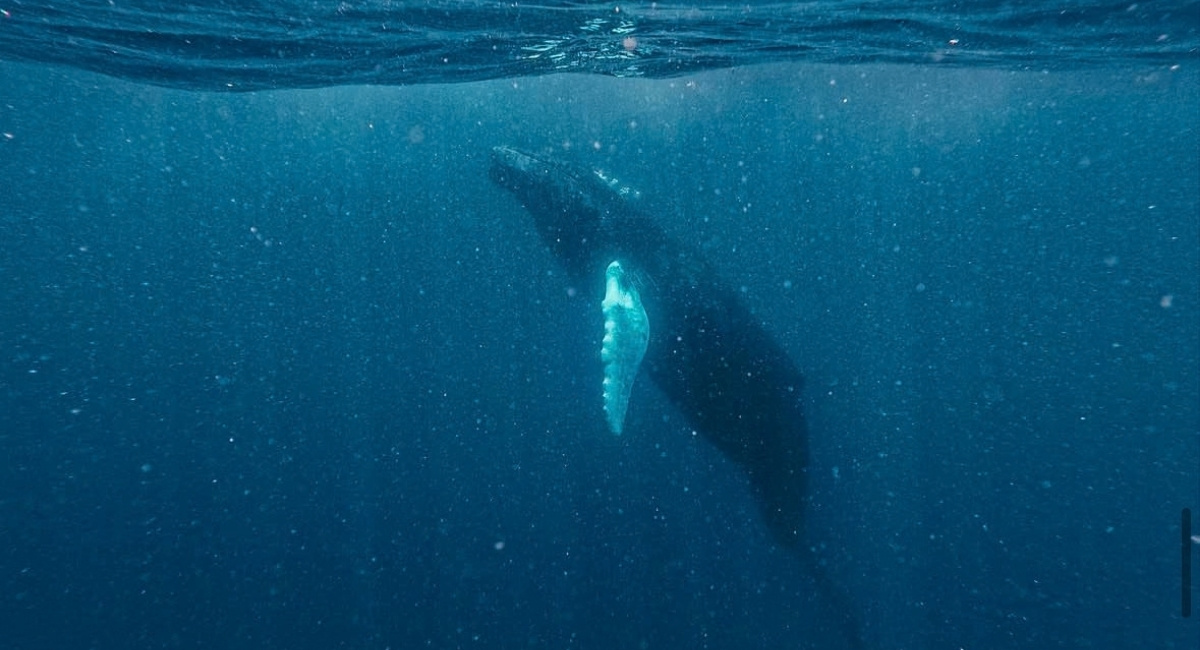
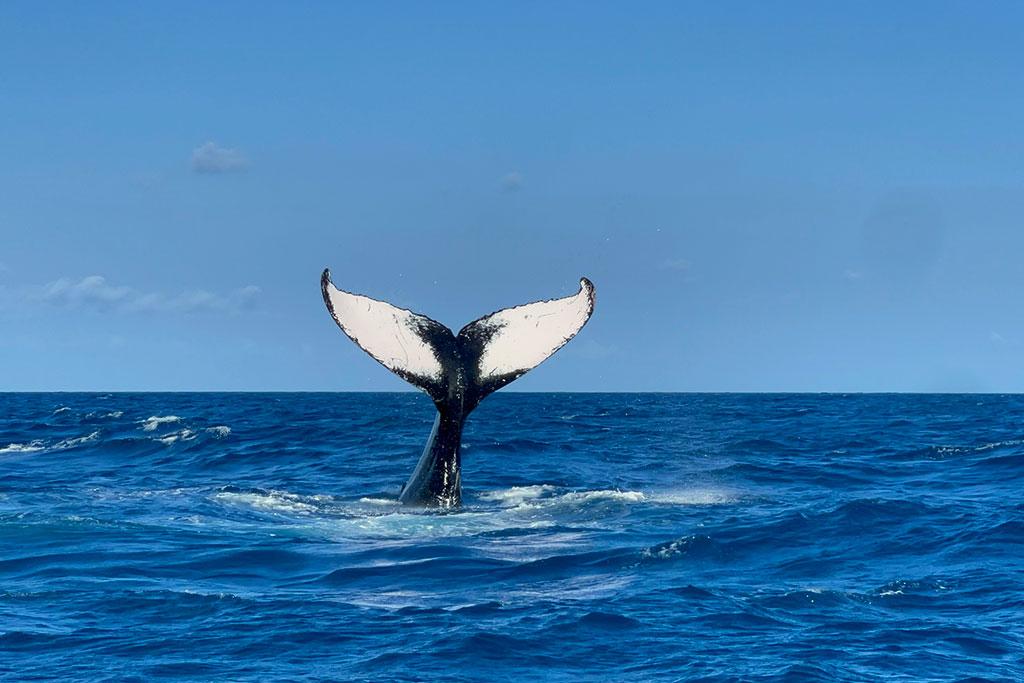
Her decision was further cemented the summer before she started college during a trip to Silver Bank, a protected marine sanctuary north of the Dominican Republic. She and her father spent a week on a boat observing the whales and participating in research.
Turning conservation dreams into action
The McCausland College of Arts and Sciences senior decided to leave the swim team her sophomore year to get involved in extracurriculars that aligned with her academic interests. That year, she joined Sustainable Carolina, the student branch of the Office of Sustainability.
Now, she is a peer leader on the K-12 outreach committee for the service-based student organization. She organizes lessons about the environment for schools in Columbia and the EdVenture Children’s Museum. She was nervous when she first joined the team because she wasn’t sure if the elementary-aged children would be interested in the topics she was teaching, but to her surprise, they were enthusiastically engaging with the material.
“Kids can be really disengaged sometimes, but they loved it,” she says. “When I went back the next week, they remembered everything that we talked about. They were excited to tell me how they told their families what we discussed, showed their siblings the projects we did and told me how they had conserved water. It surprised me how much they grasped the information and actually took what we discussed outside of the classroom with them.”
Science through a different lens
While in high school, she developed an interest in visual storytelling after getting a GoPro. She’d use the camera to create videos showcasing the wildlife and plants she saw on trips. But it wasn’t until she came to USC that she realized she could merge her science background with her love of storytelling, and so she took on a mass communications minor.
“Conservation begins with connection,” she says. “And through visual media, I can create a story that connects with the public and engages them with scientific issues or conservation efforts.”
She is also a photo processing technician intern at the South Carolina Department of Natural Resources in their Heritage Trust Botany and Plant Conservation Program. Through this internship, she had the opportunity to showcase her storytelling skills in the article “Reconnecting: How the Palmetto Trail is Calling College Students Back Outdoors” for South Carolina Wildlife, the SCDNR’s magazine.
Postgrad career path comes into focus
After graduating, she hopes to work at National Geographic as a wildlife conservation documentary filmmaker. She says USC, specifically the faculty of the School of Earth, Ocean and Environment, has helped her build her self-confidence and gain connections that will help her reach her goals.
“I wouldn’t have gotten my job with the SCDNR without professors in the SEOE — they genuinely care about what I’m doing and want to help me reach goals,” she says. “All these different connections and networking have helped me realize what I want to do, build the skills to get there and be confident going out and achieving what I want.”