Dreskin Distinguished Endowed Lecture Series
Fueling Health and Longevity: The Power of Nutrition and Lifestyle Medicine
Friday, September 25, 2026
4 PM | C. Dan Adams Lecture Hall
Jennifer Trilk, PhD, FACSM, DipACLM
Professor, Department of Biomedical Sciences
Director, Lifestyle Medicine & Exercise is Medicine Greenville
Tune into our livestream
Chronic disease is the leading driver of illness, disability, and healthcare costs, yet many of the conditions that shape our health and longevity are strongly influenced by nutrition and lifestyle. This presentation will explore why nutrition and lifestyle medicine must be central to modern healthcare, and how they can help shift our focus from primarily treating disease to actively promoting health and preventing chronic disease.
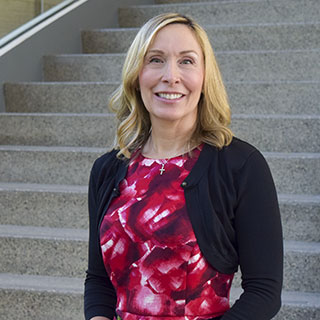 Jennifer Trilk, PhD, FACSM, DipACLM will highlight the innovative work of the University
of South Carolina School of Medicine Greenville, an international leader in integrating
nutrition and lifestyle medicine into medical education, clinical care, research,
and community partnerships. A substantive discussion of nutrition and its role in
health, chronic disease prevention, and longevity will provide participants with an
evidence-based understanding of how dietary patterns and food choices influence health
across the lifespan.
Jennifer Trilk, PhD, FACSM, DipACLM will highlight the innovative work of the University
of South Carolina School of Medicine Greenville, an international leader in integrating
nutrition and lifestyle medicine into medical education, clinical care, research,
and community partnerships. A substantive discussion of nutrition and its role in
health, chronic disease prevention, and longevity will provide participants with an
evidence-based understanding of how dietary patterns and food choices influence health
across the lifespan.
Designed for physicians, researchers, educators, students, and community members, Dr. Trilk will conclude with practical, actionable takeaways that participants can apply in their own settings. Attendees will leave with strategies for incorporating nutrition and lifestyle medicine into clinical conversations, research, education, personal health, and community initiatives—and with a clearer understanding of how these approaches can help fuel better health and longer, healthier lives.
Dr. Jennifer Trilk is a Professor and Director of Lifestyle Medicine Programs at the
University of South Carolina School of Medicine Greenville (SOMG). A founding faculty
member, she created SOMG’s internationally recognized Lifestyle Medicine curriculum,
preparing future physicians to prevent and treat chronic diseases through the 6 pillars
of Lifestyle Medicine: optimal nutrition, physical activity, restorative sleep, stress
management, connectedness, and risky substance avoidance.
Under her leadership, SOMG became the first medical school in the country to receive
Platinum Plus certification from the American College of Lifestyle Medicine, reflecting
more than 100 hours of required lifestyle medicine education, including Culinary Medicine.
Dr. Trilk has authored more than 50 scientific publications and secured more than $7 million in research and program funding. She founded Exercise is Medicine Greenville, a partnership connecting patients with medically informed community exercise programs through Prisma Health and the YMCA. Her work in lifestyle medicine education and community health has been recognized nationally, including at the 2022 White House Conference on Hunger, Nutrition, and Health. Her Lifestyle Medicine Education curriculum has reached medical schools in 99 countries worldwide.
Dr. Trilk is a Fellow of the American College of Sports Medicine, a Diplomate of the American College of Lifestyle Medicine, and a member of the Aspen Global Leadership Network Health Innovators Fellowship. She serves as a senior advisor to the U.S. Army’s Holistic Health and Fitness Program and is an internationally recognized leader in nutrition and lifestyle medicine education.
Past Lectures
Dr. Gazourian gave a lecture on Before Symptoms: Redefining What’s Possible in Medicine Early Identification of Lung and Heart Diseases with AI
About Dr. Gazourian
 Lee Gazourian, MD, MS is a pulmonary and critical care physician and the Director
of the Lung Health Program at Lahey Hospital and Medical Center in Burlington, Massachusetts.
He is also an Assistant Professor of Medicine at Tufts University School of Medicine.
Lee Gazourian, MD, MS is a pulmonary and critical care physician and the Director
of the Lung Health Program at Lahey Hospital and Medical Center in Burlington, Massachusetts.
He is also an Assistant Professor of Medicine at Tufts University School of Medicine.
Dr. Gazourian’s career has been defined by his work at the intersection of clinical care, research, and education. He completed his medical degree at Boston University School of Medicine, followed by residency and chief residency in internal medicine at Boston Medical Center, and fellowship training in pulmonary and critical care medicine through the Harvard Combined Program at Massachusetts General Hospital, Beth Israel Deaconess Medical Center, and Brigham and Women’s Hospital.
His research focuses on leveraging qualitative and quantitative imaging and large clinical screening cohorts to better understand early markers of disease. As principal investigator on multiple industry- and foundation-funded studies, he has led efforts to examine interstitial lung abnormalities, emphysema, coronary artery calcification, and other imaging biomarkers as predictors of clinical outcomes.
An active educator and mentor, Dr. Gazourian has trained dozens of medical students, residents, and fellows, many of whom have gone on to academic and clinical leadership roles. At Lahey, he has pioneered innovative approaches to lung health, developing population-level screening and clinical pathways to identify high-risk patients earlier in the course of their disease.
Building on this work, Dr. Gazourian founded B4 Symptoms, Inc., whose mission is to translate research insights into scalable programs that support earlier detection and targeted referral. His overarching goal is to advance a proactive model of medicine—one that identifies disease sooner, delivers the right care at the right time, and improves outcomes for patients across health systems.
About Dr. Herder
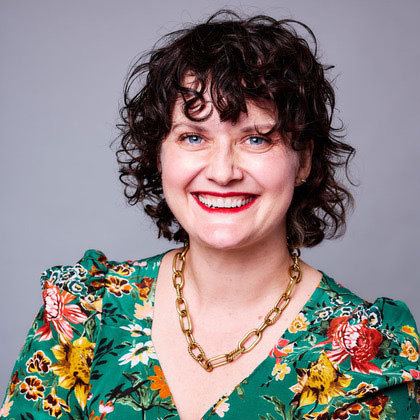 Dr. Rachel Herder serves as Vice President of Intellectual Property at Mammoth Biosciences,
a firm that has done pioneering work in gene editing. Mammoth Biosciences is a biotechnology
company focused on developing potential long-term curative therapies for patients
with life-threatening and debilitating diseases. The company utilizes approaches that
enable them to access difficult to reach tissues. It was founded by Jennifer Doudna
who in 2020 was awarded the Nobel Prize in Chemistry with her colleague Emmanuelle
Charpentier for their discovery of programmable molecular scissors called CRISPR (Clustered
Regularly Interspaced Short Palindromic Repeats). In less scientific terms, CRISPR
refers to gene editing and encompasses a range of techniques. Since the 2012 Doudna/Charpentier
publication, the field has exploded, opening the door for a variety of possibilities
for human and planetary health ranging from agricultural applications, to detecting
the COVID-19 virus, to the first FDA-approved gene edited cell therapy for Sickle
Cell patients (CASGEVY®). Dr. Herder will talk about the history of CRISPR technology,
provide a brief explanation of the technology, and discuss areas of medicine where
this has already worked and seems to be therapeutic. Dr. Herder is in a unique position
to also discuss some of the ethical issues associated with CRISPR and gene editing
and the implications for how this might impact the practice of medicine. This talk
aims to discuss the past, present, and future of CRISPR and human health.
Dr. Rachel Herder serves as Vice President of Intellectual Property at Mammoth Biosciences,
a firm that has done pioneering work in gene editing. Mammoth Biosciences is a biotechnology
company focused on developing potential long-term curative therapies for patients
with life-threatening and debilitating diseases. The company utilizes approaches that
enable them to access difficult to reach tissues. It was founded by Jennifer Doudna
who in 2020 was awarded the Nobel Prize in Chemistry with her colleague Emmanuelle
Charpentier for their discovery of programmable molecular scissors called CRISPR (Clustered
Regularly Interspaced Short Palindromic Repeats). In less scientific terms, CRISPR
refers to gene editing and encompasses a range of techniques. Since the 2012 Doudna/Charpentier
publication, the field has exploded, opening the door for a variety of possibilities
for human and planetary health ranging from agricultural applications, to detecting
the COVID-19 virus, to the first FDA-approved gene edited cell therapy for Sickle
Cell patients (CASGEVY®). Dr. Herder will talk about the history of CRISPR technology,
provide a brief explanation of the technology, and discuss areas of medicine where
this has already worked and seems to be therapeutic. Dr. Herder is in a unique position
to also discuss some of the ethical issues associated with CRISPR and gene editing
and the implications for how this might impact the practice of medicine. This talk
aims to discuss the past, present, and future of CRISPR and human health.
Rachel Herder is the Vice President of Intellectual Property at Mammoth Biosciences, a pre-clinical CRISPR gene editing biotech company co-founded by Nobel Laureate Jennifer Doudna. Rachel has over a decade of experience in the gene editing space. Prior to Mammoth, Rachel was a law professor at Penn State and a patent attorney at a leading global law firm. She received her law degree and Ph.D. in Molecular, Cellular, Developmental Biology & Genetics from the University of Minnesota.
Dr. Singh gave a lecture on Defining and Treating Long-COVID: An Ongoing Challenge and a Call to Action.
About Dr. Singh
 Upinder Singh, MD, FIDSA is Professor in the Departments of Internal Medicine and
Microbiology and Immunology and Division Chief of Infectious Diseases and Geographic
Medicine at the Stanford University School of Medicine. Dr. Singh is an international
expert in infectious diseases. She is both a basic and a clinical scientist. Her basic
science research focuses on the molecular and genomic applications of parasitic diseases,
including Entamoeba histolytica and free-living amebae, and she has made many significant
contributions to this field. Her clinical research has focused on COVID-19 and Long-COVID.
Upinder Singh, MD, FIDSA is Professor in the Departments of Internal Medicine and
Microbiology and Immunology and Division Chief of Infectious Diseases and Geographic
Medicine at the Stanford University School of Medicine. Dr. Singh is an international
expert in infectious diseases. She is both a basic and a clinical scientist. Her basic
science research focuses on the molecular and genomic applications of parasitic diseases,
including Entamoeba histolytica and free-living amebae, and she has made many significant
contributions to this field. Her clinical research has focused on COVID-19 and Long-COVID.
Dr. Singh has contributed substantially to the leadership of large, national COVID treatment studies, and she led the Stanford hub for the NIH RECOVER study which examines the effects of Long-COVID. Dr. Singh led multiple investigator-initiated COVID-19 clinical trials. She established an outpatient COVID clinical trial research unit which initiated the first FDA approved clinical trial in April 2020 at a time when many were wary of bringing COVID patients into the health system, and she subsequently also established a monoclonal antibody infusion center. The Covid-19 studies at Stanford and the associated clinical data, epidemiological information, and biobanked samples have been leveraged to answer multiple aspects of COVID-19, including natural history, Long-COVID, diagnostics, and immune response. The research infrastructure that she established has facilitated the local and national studies of both clinical and basic pathophysiological aspects of COVID-19. At a national level Dr. Singh has conducted multiple clinical trials for patients with mild/moderate COVID-19 including treatment with antivirals (ACTIV-2 program and involved in program leadership), treatment with repurposed compounds (ACTIV-6 program), a study defining the prevalence and pathophysiology of post-acute sequelae (PASC) of COVID, and the first global trial on the use of Paxlovid for the treatment of Long-COVID (STOP-PASC clinical trial). Dr. Singh has gained substantial experience in treating patients with COVID and helped establish a Long-Covid clinic which began to see patients in May 2021.
Dr. Gevaert gave a lecture on Functional Precision Oncology: New Information to Inform Cancer Therapy Selection.
About Dr. Gevaert
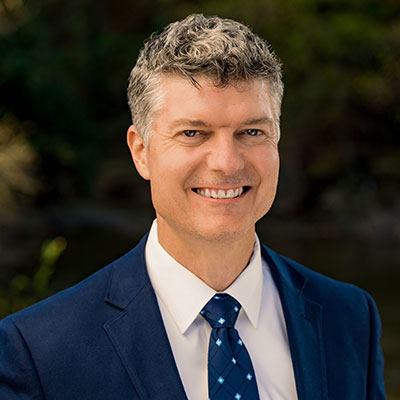 Dr. Matthew (Matt) Gevaert is the Chief Executive Officer, a Co-Founder and a Board
Member of Kiyatec, Inc. Under Matt’s leadership Kiyatec is disrupting cancer therapy
selection with patient-specific prediction of response to drug therapies, prior to
treatment. Kiyatec achieves this by measuring the response of individual patient live
cancer cells with its innovative 3D cell culture technology platform, with success
demonstrated in peer-reviewed publications for multiple tumor types that score >95th
percentile in on-line impact. Through a dedicated focus on direct relevance to cancer
patients, Kiyatec has successfully attracted multiple rounds of private sector investment,
developed its 3D PredictTM and KIYA-PredictTM ex vivo 3D cell culture platforms, and
published the first functional precision oncology assay with clinically-correlated
prospective predictive therapeutic response evidence in multiple tumor types. To-date,
Kiyatec has been awarded more than $5M of competitively awarded federal funding including
contracts from the National Cancer Institute, cultivated clinical collaborations at
leading national cancer institutions and built productive relationships with premier
biopharmaceutical companies developing the cancer therapies of the future.
Dr. Matthew (Matt) Gevaert is the Chief Executive Officer, a Co-Founder and a Board
Member of Kiyatec, Inc. Under Matt’s leadership Kiyatec is disrupting cancer therapy
selection with patient-specific prediction of response to drug therapies, prior to
treatment. Kiyatec achieves this by measuring the response of individual patient live
cancer cells with its innovative 3D cell culture technology platform, with success
demonstrated in peer-reviewed publications for multiple tumor types that score >95th
percentile in on-line impact. Through a dedicated focus on direct relevance to cancer
patients, Kiyatec has successfully attracted multiple rounds of private sector investment,
developed its 3D PredictTM and KIYA-PredictTM ex vivo 3D cell culture platforms, and
published the first functional precision oncology assay with clinically-correlated
prospective predictive therapeutic response evidence in multiple tumor types. To-date,
Kiyatec has been awarded more than $5M of competitively awarded federal funding including
contracts from the National Cancer Institute, cultivated clinical collaborations at
leading national cancer institutions and built productive relationships with premier
biopharmaceutical companies developing the cancer therapies of the future.
Matt is a graduate of the University of Waterloo (B.Sc., Chemistry) and of Clemson University (M.S. and Ph.D., Bioengineering). He serves on a number of professional and community boards and occasionally teaches an MBA graduate course in technology entrepreneurship for professional business students.
Dr. Chiriva Internati gave a lecture on Diamond CancerSplice: Where Artificial Intelligence Meets Cancer Immunotherapy."
About Dr. Maurizio Chiriva-Internati
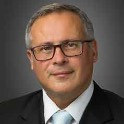 Dr. Chiriva Internati has been an Associate Professor at the MD Anderson Cancer Center
in Houston, Texas since August 2019. Prior to that, he served as an Associate Professor
at Texas Tech University Health Sciences Center from September 2013 to June 2017.
His research has led to the identification of novel cancer-testis antigens for the
development of immunotherapeutic strategies against solid and non-solid tumors. This
led to the development of the bioinformatic software Diamond CancerSplice, which is
a key core platform of our company, leading to the discovery and prioritization of
isoform antigens via insilico system.
Dr. Chiriva Internati has been an Associate Professor at the MD Anderson Cancer Center
in Houston, Texas since August 2019. Prior to that, he served as an Associate Professor
at Texas Tech University Health Sciences Center from September 2013 to June 2017.
His research has led to the identification of novel cancer-testis antigens for the
development of immunotherapeutic strategies against solid and non-solid tumors. This
led to the development of the bioinformatic software Diamond CancerSplice, which is
a key core platform of our company, leading to the discovery and prioritization of
isoform antigens via insilico system.
Dr. Chiriva-Internati earned a PhD in Immunology from the University of Nottingham, United Kingdom. He also earned a PhD in Morphological Science from the Universit`a degli Studi di Milano, Italy, and a Doctoral Degree in Biological Sciences from the University of Milan, Italy. Dr. Chiriva- Internati was a Post-Doctoral Fellow in Immunology at the University of Arkansas for Medical Sciences, earned a certificate in Artificial Intelligence from MIT Sloan School of Management and earned a certificate in Financial Technology from Oxford Sa¨ıd Business School.
Dr. Sarah Hallberg gave a lecture on Reversing Type 2 Diabetes called Change the Paradigm and Change Lives.
About Dr. Sarah Hallberg
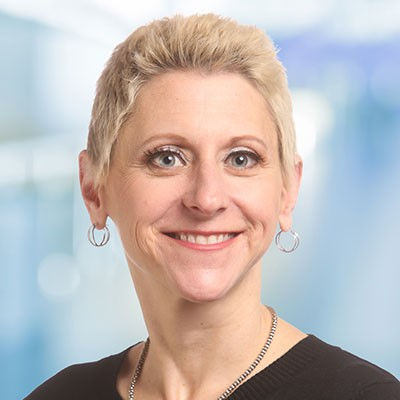 Sarah Hallberg, DO, MS is the Medical Director at Virta Health, the first clinically-proven
treatment to safely and sustainably reverse type 2 diabetes without medications or
surgery.
Sarah Hallberg, DO, MS is the Medical Director at Virta Health, the first clinically-proven
treatment to safely and sustainably reverse type 2 diabetes without medications or
surgery.
As a physician and exercise physiologist with a passion for helping people be healthy through diet and exercise, she is responsible for providing medical supervision to Virta's expert team of physicians and oversees the clinical strategy for Virta Clinic participants.
Before joining Virta, Dr. Hallberg founded Indiana University Arnett's Medically Supervised Weight Loss Program where she still serves as Medical Director. Her clinic served as the host for Virta's clinical trial.
Dr. Hallberg is an expert in diabetes care and is board certified in Internal Medicine, Obesity Medicine, and Clinical Lipidology. Dr. Hallberg is also the Chair of the Scientific Advisor Board and the Board of Directors of The Nutrition Coalition, a nonprofit organization that aims to educate the public and policymakers about the need to strengthen national nutrition policy so that it is founded upon a comprehensive body of conclusive science, and where that science is absent, to encourage research.
A low-carb enthusiast, Dr. Hallberg practices what she preaches by living a ketogenic lifestyle. Her TEDx Talk, "Reversing Type 2 Diabetes Starts with Ignoring the Guidelines," has been viewed more than 3 million times.
Dr. Patrick McBride gave a lecture on the importance of self-care called Taking Care of Your Heart: An Update in Heart Disease Prevention.
About Dr. Patrick McBride
Dr. McBride is a professor in the Department of Medicine's section of cardiovascular medicine and the Department of Family Medicine at the University of Wisconsin School of Medicine and Public Health, where he also served as Associate Dean for Students. Dr. McBride also co-directs the UW Hospital and Clinics' Preventive Cardiology program, with more than 30 professional staff, an inpatient and outpatient cardiac rehabilitation program, a preventive cardiology/cholesterol clinic and other clinical initiatives for people at risk for cardiovascular disease.
Dr. McBride has served on several national guideline panels including the National
Cholesterol Education Program's (NCEP) Children and Adolescent Treatment Panel, the
AAMC Obesity Panel, the AHRQ Cardiac Rehabilitation Expert Panel, and the NIH-NCEP's
Adult Treatment Panel III and IV.
With his primary research focus in preventive cardiology, cholesterol treatment and
the quality of cardiovascular disease prevention in practice, Dr. McBride has authored
or co-authored more than 150 publications. Dr. McBride is a leader in developing
and implementing statewide teaching programs for health care professionals on heart
disease prevention, cholesterol, and quality.
Ian Crozier, M.D., gave a compelling presentation about his experiences as both a physician for ebola patients and an ebola survivor himself.
About Dr. Ian Crozier
 Dr. Ian Crozier is a Vanderbilt-trained infectious diseases specialist originally
from Bulawayo, Zimbabwe. Over the past six years, primarily at the Infectious Diseases
Institute (Kampala, Uganda), his work has focused on developing clinical reasoning
skills in African clinicians providing complex care at African bedsides.
Dr. Ian Crozier is a Vanderbilt-trained infectious diseases specialist originally
from Bulawayo, Zimbabwe. Over the past six years, primarily at the Infectious Diseases
Institute (Kampala, Uganda), his work has focused on developing clinical reasoning
skills in African clinicians providing complex care at African bedsides.
In August 2014, he was deployed by the World Health Organization (WHO) to the Kenema
Government Hospital Ebola Treatment Unit in eastern Sierra Leone, a ground-zero setting
for the Sierra Leone outbreak. After becoming infected, he was evacuated to Emory
University Hospital, becoming critically ill, but emerging after a six-week hospitalization.
Two months after clearing the virus from his blood he developed sight-threatening
ocular inflammation with high amounts of viable Ebola virus detected in the eye, this
in addition to a long list of other post-Ebola virus disease sequelae. He has been
called one of the sickest Ebola survivors ever, and provides a unique perspective
from a dual citizenship as Ebola doctor and Ebola survivor.
Currently, he serves a three-country technical role at WHO, focused on characterizing
and understanding the sequelae of Ebola virus disease in West African survivors, targeting
their clinical care needs, the management of residual risk and the scientific questions
newly emerging at survivors’ bedsides.
Stephen Dreskin, M.D., Ph.D., was the inaugural speaker for the Dreskin Distinguished
Lectureship at the USC School of Medicine Greenville.
Dr. Dreskin’s lecture addressed food allergies, their epidemiology and immune system pathophysiology as
well as current approaches to diagnosis and management.
About Stephen Dreskin, M.D., Ph.D
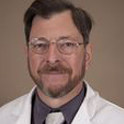 Stephen C. Dreskin, M.D., Ph.D. is a professor of Medicine and Immunology at the University
of Colorado School of Medicine-Denver and medical director of the University of Colorado
Allergy, Asthma, and Immunology Practice at the University of Colorado School of Medicine-Denver.
Stephen C. Dreskin, M.D., Ph.D. is a professor of Medicine and Immunology at the University
of Colorado School of Medicine-Denver and medical director of the University of Colorado
Allergy, Asthma, and Immunology Practice at the University of Colorado School of Medicine-Denver.
In addition, he is active in many national organizations. Currently, he is the chair
of the Practice, Diagnostics, and Therapeutics (PDT) Committee of the American Academy
of Allergy, Asthma and Immunology (AAAAI) and chair of the Plenary Workgroup for the
2016 AAAAI annual meeting. He also serves on the board of directors of the American
Board of Allergy and Clinical Immunology.
Dr. Dreskin grew up in Greenville, South Carolina, earned a B.A. degree from the University
of Pennsylvania and received his M.D. and Ph.D. degrees from Emory University. This
was followed by a residency in Internal Medicine at the University of California Davis,
Sacramento Medical Center and a fellowship in Allergy and Clinical Immunology at the
National Institute of Allergy and Infectious Diseases of the National Institutes of
Health.
His primary research interest is the study of functional IgE-allergen interactions
as they pertain to food allergies. In work funded by the National Institutes of Health
and other sources, his laboratory has established that 2 small allergens, Ara h 2
and Ara h 6 are the major peanut allergens. Current efforts are directed at how these
proteins cross-link IgE on mast cells to initiate the allergic response.
Dr. Dreskin’s primary clinical interest is the treatment of chronic urticaria and
angioedema. He has written numerous clinical reviews on this topic and is the current
author of the chapter on Chronic Urticaria and Angioedema for Goldman’s Cecil Medicine Textbook
(24th ed).