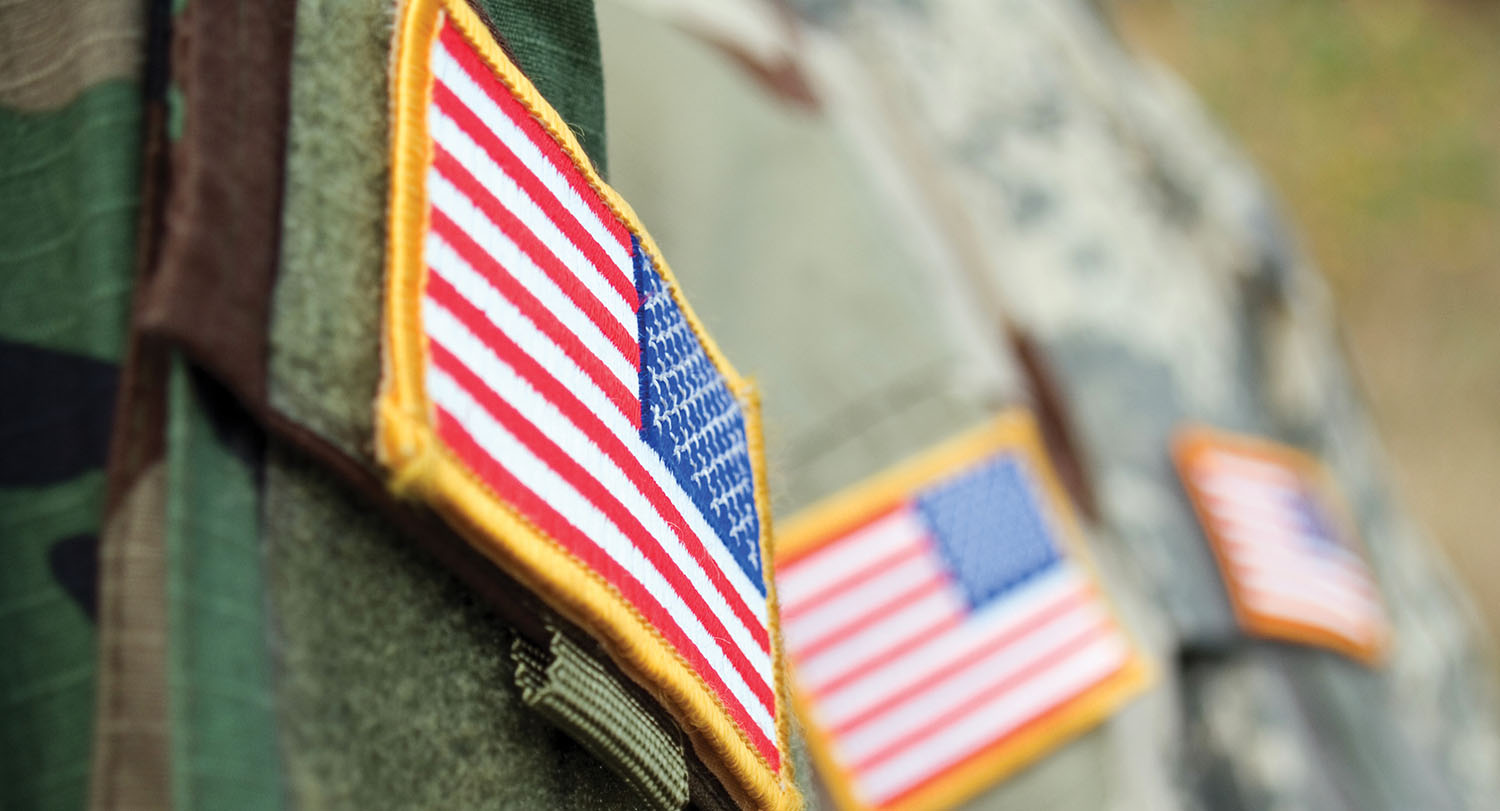
Wounds may take years to fester before a war-weathered veteran seeks help. Often military service-related injuries are not immediately visible, but trauma is a persistent tormentor. University of South Carolina Veterans Legal Clinic director Meghan Brooks is not a veteran but grew up in an Army family. She understands firsthand some of the barriers veterans face.
Opened in 2018, the clinic serves dual missions: to represent SC veterans and their families and to train future lawyers to assist those who have served their country. Since its opening, the clinic has provided legal services to more than 550 clients, and Brooks expects that number to grow with the addition of staff including Paralegal Laura Diaz.
“Currently, the bulk of our cases are complex U.S. Department of Veterans Affairs disability benefits appeals,” Brooks says. “We also take on the occasional family law or housing matter, as capacity permits.”
Veterans generally contact the clinic by phone at (803) 777-3398, but staff also work with local VA caseworkers to ensure they know about the clinic as a referral resource. Staff also occasionally participate in community or church events to conduct outreach.
Sydney Scruggs is staff attorney for the clinic. One of her top priorities is establishing a rapport with clients. Some are fatigued from denials or simply intimidated with the formal legal process. Others may be hesitant because of mental health stigma or a hyper-masculine military culture discouraging them from seeking help.
“Usually they come to us when they have tried to get benefits and been denied,” she says. “Sometimes they have been working through that process for years.”
Scruggs explains that one of her primary roles is helping clients feel at ease and develop trust. Many may struggle to communicate.
“Our clinic provides an opportunity for them to be heard,” she says. “We break down the law and legal concepts to them in a way they can relate to."
Benefit of the doubt
The VA system is supposed to assume a pro-claimant orientation that favors granting the benefit of the doubt. For conditions that pose a challenge establishing cause and effect — such as military toxic exposures believed to trigger disease — legislation passed in 2022 expanded “evidentiary presumptions” for post 9/11 toxic-exposed veterans. Without these presumptions, sick veterans would not be able to access critical VA benefits.
Establishing causal relationships to disease usually requires solid, population-level data collected over decades. Discovery tools to access government information rarely are made available to veterans privately seeking compensation. Confirming a military service connection is fundamental, and includes veterans producing form DD214, which certifies a client’s discharge from active duty military service.
“It’s a little easier to get VA compensation if you already have proof of veteran status,” Brooks says. Formally establishing a service connection opens an array of available benefits, including health care. Sometimes including a veteran’s personal statement can strengthen a case.
“Our clinic provides an opportunity for them to be heard,” she says. “We break down the law and legal concepts to them in a way they can relate to.”
“We can help veterans draft personal statements that can be submitted along with a claim,” Scruggs says. “Sometimes it is helpful when veterans can express their symptoms in their own words.”
An ongoing legal challenge to obtain benefits is created by the passage of time.
“There is no statute of limitations for veterans benefits,” Brooks explains. “But eligibility is harder to prove the more time has passed. Some cases take a long time to resolve and require a level of persistence. … When we win those, it’s really impactful.”
Friends of the U.S. Supreme Court
Some of the youngest beneficiaries of the Veterans Legal Clinic may be USC’s law students. Every spring, students serve as extended clinic staff gaining real world legal experience and insight. Each student is assigned two cases to start.
Imagine a law student being assigned to a U.S. Supreme court case. A spring 2025 law school cohort shared that very opportunity.
As co-counsel with veterans clinics at the University of Missouri and Syracuse University, students from USC's Joseph F. Rice School of Law represented the National Law School Veterans Clinic Consortium, drafting a brief of amicus curiae on the topic of combat-related special compensation in the Soto v. United States class action lawsuit. In June, the court ruled unanimously in favor of veterans wrongfully denied their full retroactive combat-related compensation, holding that a Barring Act requirement that they file for such benefits within six years of claim accrual did not apply.
“I enjoy working alongside students,” Scruggs says. “I want them to always feel encouraged to join our clinic. They are a joy to work with and have great ideas. Our students are really good at coming up with creative legal solutions. I like watching them brainstorm and collaborate as working colleagues.”
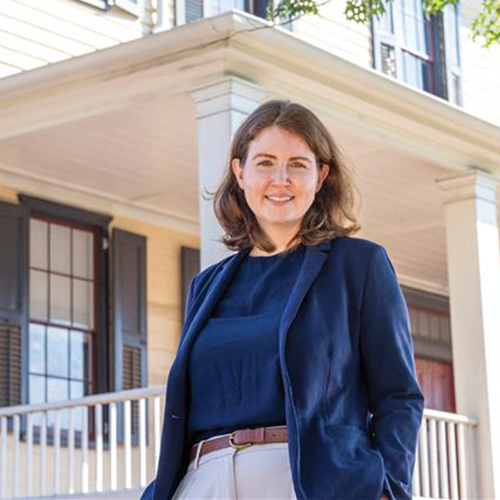
The Veterans Legal Clinic recently moved into the newly renovated Horry-Guignard House at 1527 Senate St., adjacent to the law school. Originally built in 1813, the building is on the National Register of Historic Places.
“The building is now handicap accessible. It’s a beautiful space,” Brooks says. “That the university facilitated its restoration further shows its commitment to serving South Carolina veterans and families.”
