Heart disease is the leading cause of death in South Carolina, and rates are rising among younger adults and communities facing the greatest health disparities.
During February's American Heart Month, University of South Carolina faculty experts are available to provide insight into the science, clinical care and social factors shaping heart health today — from prevention and early warning signs to new treatments and health equity.
Media inquiries for TV, print and radio can be directed to the news contact listed below each expert.
Prevention and Everyday Heart Health
What people can do now to protect their heart
Jewel Scott
Women’s heart health; stress, pregnancy and early cardiovascular risk
Jewel Scott is a primary care nurse practitioner and cardiovascular health researcher whose work centers on how early life experiences shape long-term heart health, particularly for women of color.
- She studies late adolescence and early adulthood as a pivotal period when stress, pregnancy-related complications and structural inequities begin influencing cardiovascular risk.
- With decades of clinical experience in community health settings, Scott brings a patient-centered, plainspoken approach to conversations about prevention, early hypertension and overlooked warning signs in young adults.
She can comment on:
- Why heart disease risk starts earlier than people think
- Women’s heart health and pregnancy-related risk factors
- Stress, depression and cardiovascular disease
- Young adults, blood pressure and building lifelong heart health
- Health disparities and prevention-focused care
Feature story: “Why your late teens and early 20s are crucial times for lifelong heart health”
News contact: Nicole Meares, nmeares@sc.edu, 803-777-9147.
Carrie McCoy
Nutrition, hypertension and heart health
Carrie McCoy is a cardiovascular health nurse researcher at the University of South Carolina whose work focuses on how nutrition and food access affect high blood pressure and obesity.
- Her research addresses why heart disease risk remains high in many rural and underserved communities, particularly among African American men.
- With years of experience as both a registered nurse and nurse practitioner, McCoy brings a practical, community-centered perspective to understanding how diet, food insecurity and daily habits influence long-term heart health and weight management.
She can comment on:
- How diet and nutrition affect blood pressure
- Food insecurity and heart disease risk
- Heart health challenges in rural communities
- Lifestyle changes that support weight and heart health
- Health disparities and prevention-focused care
News contact: Nicole Meares, nmeares@sc.edu, 803-777-9147.
Sten Stray-Gundersen
Exercise, circulation and heart health
Sten Stray-Gundersen is an exercise physiologist at the Arnold School of Public Health whose work explores how innovative exercise approaches can improve cardiovascular health, recovery and physical function.
- His research focuses on how different exercise intensities and novel training strategies can be used to enhance cardiovascular health in elite athletes and across diverse populations, including individuals who may be injured, older or unable to tolerate traditional high-intensity exercise.
- Stray-Gundersen can explain how blood flow, oxygen delivery and different exercise choices impact heart health, longevity and overall fitness.
He can comment on:
- Making exercise safer and more effective for people who may have an increased risk of injury
- Fitness and rehabilitation strategies after injury or illness
- How exercise adaptations improve endurance and recovery
- Cardiovascular benefits of training beyond weight loss
- Emerging fitness trends and what the science actually supports
Feature story: “Assistant professor explores how innovative exercise techniques can enhance healing, performance and health”
News contact: Erin Bluvas, bluvase@mailbox.sc.edu, 843-302-1681.
Stress, Blood Pressure and Health Disparities
Why heart disease affects some communities more than others
Gayenell Magwood
Cardiovascular and stroke disparities; cardiometabolic risk prevention
Gayenell Magwood is a nurse scientist at USC’s College of Nursing whose work focuses on reducing cardiovascular and stroke disparities in medically underserved, rural and minoritized communities.
- Her research has a particular emphasis on cardiometabolic risk, prevention and access to care, as heart disease and stroke remain leading causes of death in South Carolina.
- Magwood holds leadership roles with the American Heart Association, including service on the Council on Cardiovascular and Stroke Nursing, and she works closely with clinicians and community partners to translate research into practical, prevention-focused strategies.
She can comment on:
- Women’s heart health and awareness initiatives
- Community-engaged approaches to heart disease and stroke prevention
- Cardiometabolic risk factors and prevention strategies
- Lifestyle changes that reduce cardiovascular disease risk
Feature story: “Finding joy at USC: Professor Gayenell Magwood relishes her role as a mentor and researcher in the College of Nursing”
News contact: Nicole Meares, nmeares@sc.edu, 803-777-9147.
Women’s and Maternal Heart Health
Risks that are often overlooked
Curisa M. Tucker
Maternal heart health and pregnancy-related risk
Curisa M. Tucker is a maternal cardiovascular health researcher whose work focuses on peripartum cardiomyopathy, a rare but life-threatening form of heart failure that can occur during pregnancy or after childbirth. Her research addresses why this condition is often missed and why Black women face higher risk and worse outcomes.
- With more than a decade of experience as a labor and delivery nurse, Tucker brings insight into how social conditions, access to care and health system factors shape maternal heart health and postpartum recovery.
She can comment on:
- Heart failure during pregnancy and after childbirth
- Warning signs of peripartum cardiomyopathy
- Why maternal heart risks are often overlooked
- Disparities in maternal cardiovascular outcomes
- How access to care affects postpartum heart health
Feature story: “Poor neighborhoods, health care barriers are factors for heart disease risk in Black mothers” by Curisa M. Tucker for The Conversation
News contact: Nicole Meares, nmeares@sc.edu, 803-777-9147.
Heart Disease, Heart Failure and Patient Care
Diagnosis, advanced treatment and what patients should know
Dr. Frank Spinale
Heart failure; new treatments and prevention
Dr. Frank Spinale is the director of research at USC’s School of Medicine Columbia, and his work focuses on heart failure, a leading cause of death and disability in South Carolina.
- Spinale studies why the heart weakens or stiffens after injury and how earlier intervention could change long-term outcomes for patients.
- He is leading efforts to develop new ways to deliver new treatments directly to damaged heart tissue, with the goals of reducing hospitalizations and expanding options for patients with advanced heart failure.
He can comment on:
- What heart failure is and why cases are rising
- Heart health challenges in rural and veteran populations
- New and experimental approaches to treating heart failure
- Why heart attacks often lead to long-term heart damage
- Early warning signs, prevention strategies and disease progression
Feature story: “New approach to treating heart failure: USC School of Medicine and biomedical engineering team testing novel drug delivery system”
News contact: Emily Miles, emily.miles@uscmed.sc.edu, 803-727-0471.
Stephanie Schaller
Congenital heart defects; pediatric cardiovascular care; nursing education innovation
Stephanie Schaller is an assistant professor at USC’s College of Nursing and a pediatric nurse practitioner who specializes in developing innovative congenital heart defect educational tools.
- Her work focuses on how nurses recognize, understand and respond to heart defects in infants and children, particularly during the critical transition from fetal to newborn circulation.
- Schaller is the inventor of CardioEducator™, a hands-on, 3D-printed teaching tool that helps nursing students visualize blood flow and congenital heart defects, for which she was named a finalist in the 2025 South Carolina InnoVision Awards.
She can comment on:
- Congenital heart defects in infants and children
- Signs and symptoms of pediatric heart failure
- Why nurses are often first to identify heart defects
- How the heart changes at birth and why complications occur
- Innovations in nursing and health sciences education to improve clinical readiness
Sample feature story: “Innovative cardiac teaching tool earns recognition for nursing faculty”
News contact: Nicole Meares, nmeares@sc.edu, 803-777-9147.
Blood Vessels, Clots and Cardiovascular Science
How the heart and blood vessels work — and what goes wrong
Camilla Ferreira Wenceslau
Blood vessels, immunity and high blood pressure
Camilla Ferreira Wenceslau is a biomedical engineer and vascular researcher who studies how blood vessels function in conditions such as high blood pressure and metabolic disease.
- Her research explains how inflammation and immune responses damage blood vessels over time, contributing to heart disease and making hypertension harder to control, particularly as people age or develop chronic illness.
- As a USC associate professor, she works at the intersection of engineering and cardiovascular science, helping connect discoveries about vessel health to real-world heart health questions.
She can comment on:
- Why high blood pressure damages blood vessels
- Links between inflammation, immunity and heart disease
- How aging and metabolic disease affect vascular health
- Cardiovascular risks tied to sepsis and chronic illness
- Why blood flow and vessel health matter for prevention
News contact: Emily Miles, emily.miles@uscmed.sc.edu, 803-727-0471.
Colin Evans
Blood clots, vessels and inflammatory disease
Colin Evans is a biomedical researcher whose work focuses on how blood vessels respond when they are blocked or injured.
- His research helps explain why conditions such as blood clots, pulmonary embolism and severe inflammatory illness can cause lasting damage and why some patients struggle to recover.
- Evans studies how improving blood flow and vessel repair could lead to better outcomes for people affected by clotting and inflammatory vascular disease.
He can comment on:
- Why some patients recover from clots — and others don’t
- What happens in the body when blood clots form
- Emerging approaches to preventing clot-related damage
- Why blood clots can lead to long-term complications
- Links between vascular injury and severe lung disease
News contact: Emily Miles, emily.miles@uscmed.sc.edu, 803-727-0471.
For further questions of assistance, contact University Communications public relations coordinator Gregory Hardy, ghardy@sc.edu, 352-362-7052.
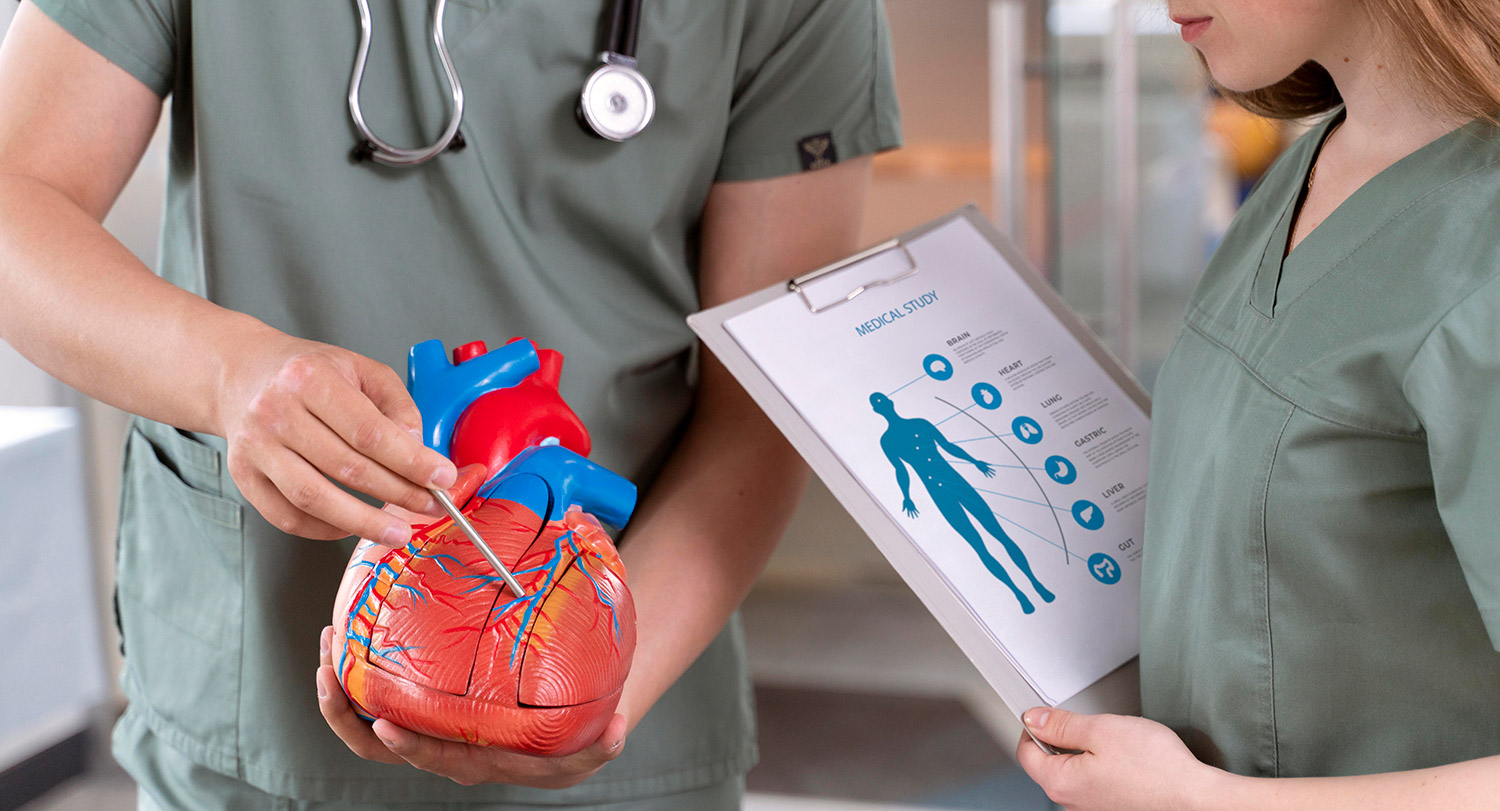
Banner image provided by Freepik.
Why it matters
- Heart disease remains the leading cause of death in South Carolina. More than 12,000 people died from heart disease in 2023, according to the South Carolina Department of Public Health.
- Heart disease is still the nation’s top killer. Almost 912,000 people died from heart disease in the United States in 2023, according to the Centers for Disease Control and Prevention.
- Nearly 1 in 10 South Carolinians has been diagnosed with cardiovascular disease. About 10.6 percent of adults in the state report having heart disease or stroke, according to CDC Behavioral Risk Factor Surveillance System (BRFSS) data.
- Heart disease places a major financial burden on South Carolina. The state saw nearly 60,000 heart disease-related hospitalizations in 2023, with hospital charges approaching $6 billion, according to the South Carolina Department of Public Health.
- Heart disease often begins long before symptoms appear. Common risk factors such as high blood pressure and obesity frequently develop in young adulthood and can lead to long-term heart damage if left untreated, according to the American Heart Association and CDC.