Skip to Content
eight squares with different images and icons representing the classes.

Cool Classes Fall 2026

Imagine this: You’re sitting in front of your laptop, staring at Self-Service Carolina, ruminating over the benefits of taking an earlier section of a required course before deciding a later class will work better for you. You’re about to finalize your schedule when you realize something is missing — an elective.

You're looking for something fun, engaging — maybe even a little exciting — but you have no idea where to start. Well, we’ve got your back. We’re back with another list of some of the coolest classes you can take for fall 2026.

This list is by no means exhaustive — there are a ton of unique learning experiences waiting to be uncovered. But whether you’re into sports, true crime, coffee, dancing, cooking or martial arts, our cool classes list is a good place to start.
Introduction to Jewelry Making and Metalsmithing ARTS 255

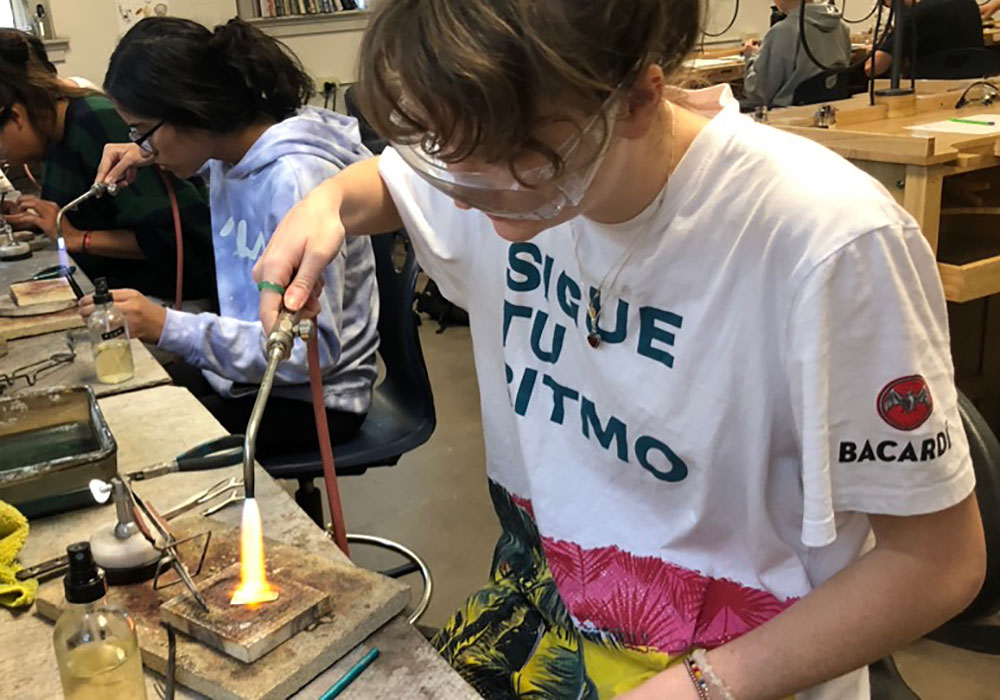
Are you creative? Like to work with your hands? Or always wanted to use a blowtorch? If you answered yes to any of the above questions, then Introduction to Jewelry Making and Metalsmithing may be the class you’re looking for.

Introduction to Jewelry Making and Metalsmithing gives you the opportunity to get creative with precious metals like silver, copper and brass. You’ll design and craft traditional jewelry and objects using a variety of jewelry-making techniques like metal forming, fabrication, stone setting and the casting process.

This course does have a lab fee and if you want to work on making silver jewelry, you will have to provide that material yourself. No matter what you decide to create, students will leave the course with an understanding of jewelry design, their own striking jewelry pieces and the technical skills needed to create them.
students using blowtorches

Coffee, Tea, and Non-Alcoholic Beverages HTMT 373

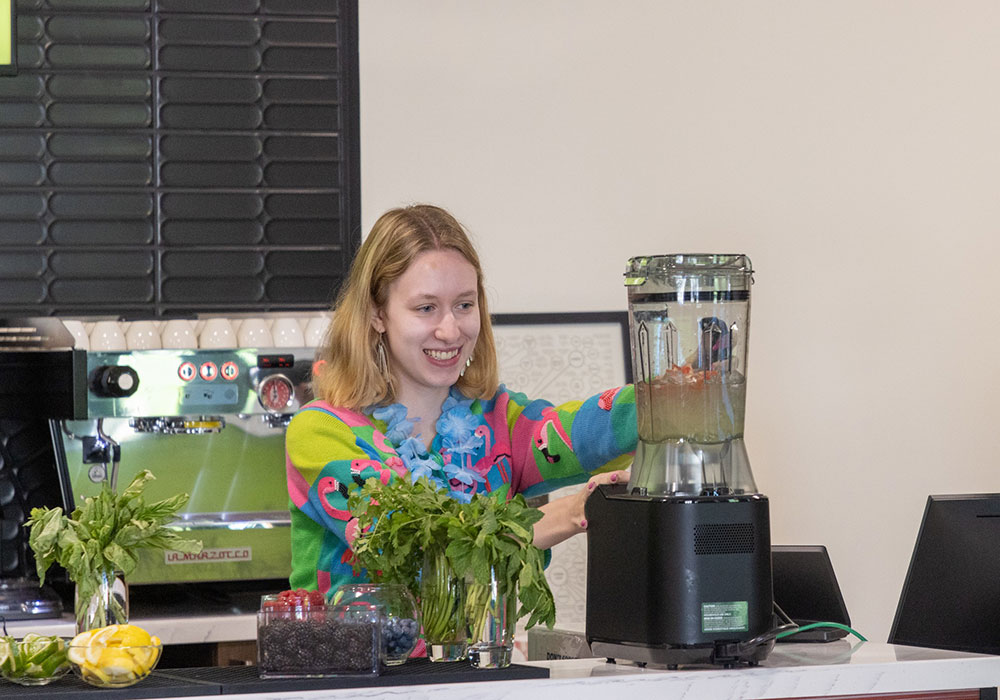
Are you the kind of person who likes to try a new drink every time you go to a coffee shop? Enjoy the ritual of making your morning coffee? Or get excited at the prospect of a new flavor of your favorite energy drink or soda brand? If so, Coffee, Tea, and Non-Alcoholic Beverages may be the perfect class to round out your fall schedule. This course is a deep dive into the history, culture, and of course, tastes of various non-alcoholic beverages from coffee and tea to soda and energy drinks. You’ll learn how to build a non-alcoholic beverage program for hospitality operations from top to bottom and even get to help develop a signature coffee roast for the School of Hospitality, Retail, and Sport Management. 

FYI, this course does require a $100 fee for class tastings.
a person using a blender

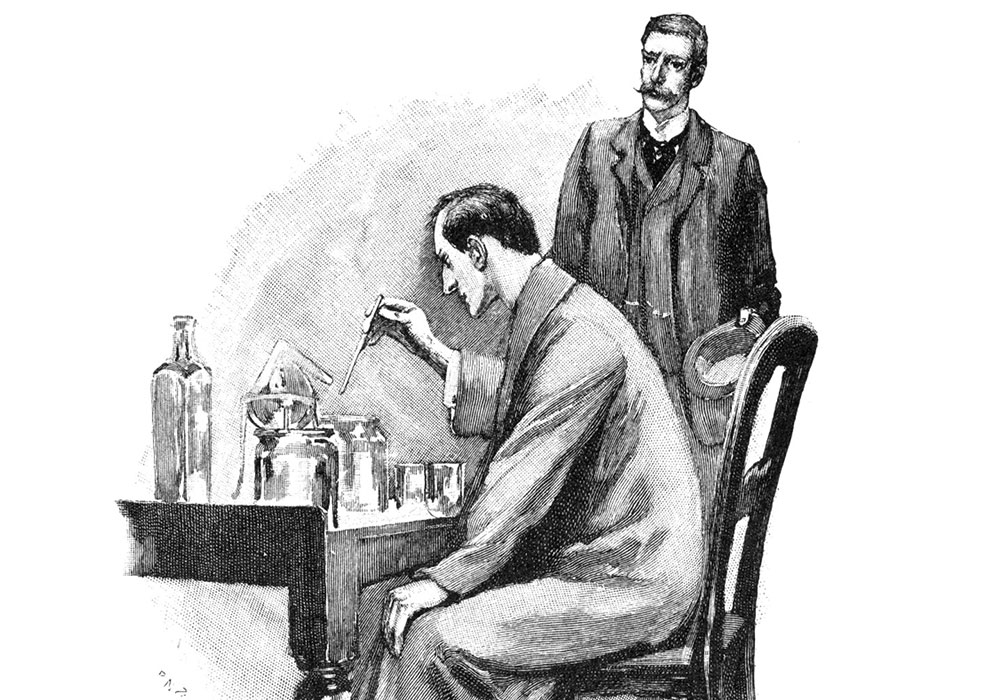
Forensics of Sherlock Holmes ANTH 221

There are very few fictional characters that have a legacy comparable to Sherlock Holmes. Not only has the character left a lasting impact on literature, but also on modern forensic science. The anthropology course Forensics of Sherlock Holmes examines the methods used by the fictional detective and the impact he had on the development and advancement of forensic science — introducing concepts such as trace evidence, re-agents and profiling. The course is taught by professor Carlina de la Cova, an avid Sherlockian who has been inducted into a prestigious Sherlock Holmes literary society. You will learn about early anthropological and scientific theory and the history of forensics, along with forensic methodologies used by law enforcement today such as forensic pathology, entomology, print analyses, crime scene analysis and forensic anthropology.

an illustration of Sherlock Holmes and John Watson

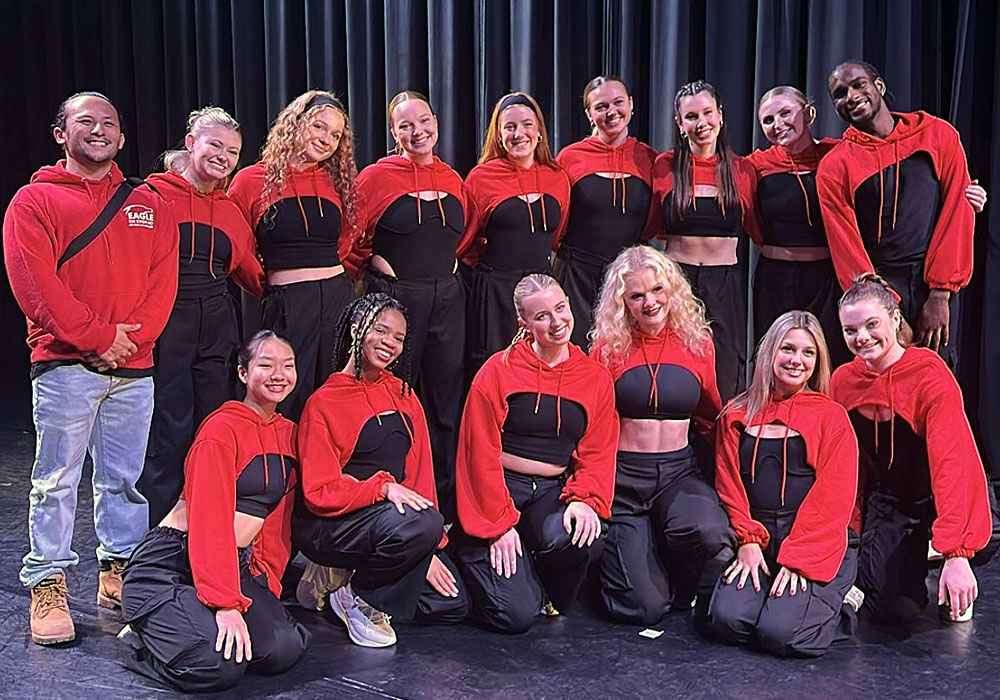
Hip Hop DANC 378

Do you like to pop, lock, jam and break? No, seriously? Because there’s a course for that. Whether you're a beginner, a dance major or just looking for a judgment-free space to dance, Hip Hop is for you. Instructor Christopher Aldeguer will guide you through the fundamentals of hip-hop dance with a focus on musicality, performance and personal expression. You’ll be moving to songs that you know and love while learning choreography that incorporates movement influences from the West Coast and utilizes gliding techniques, isolations, popping drills and breaking basics. By the end of the course, you’ll gain a deeper appreciation for hip hop culture and improve your ability to express yourself through movement.
a group of people smiling

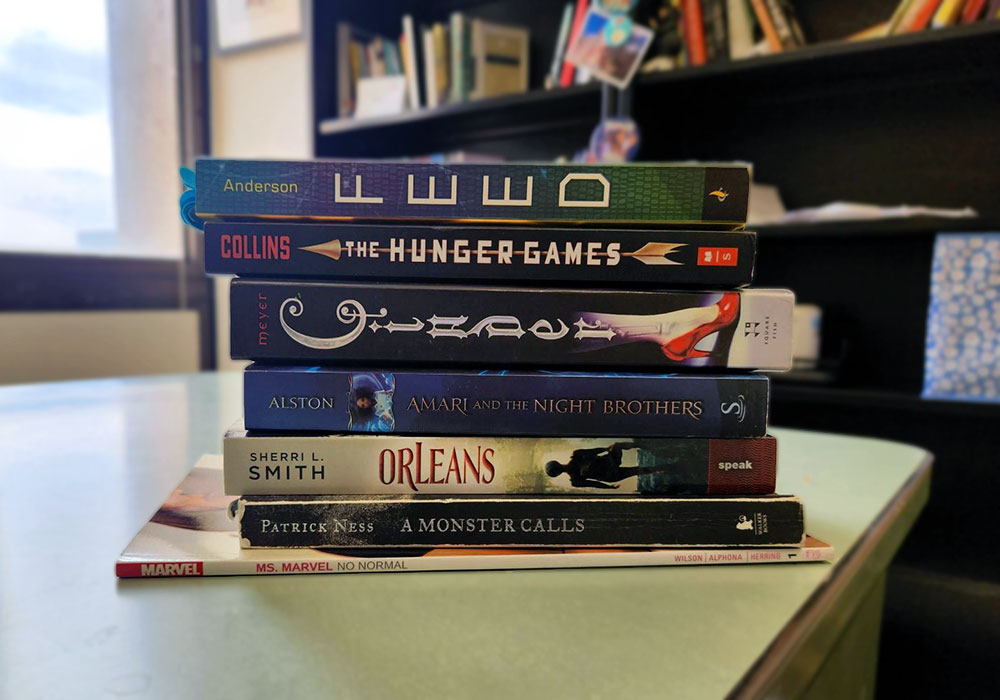
Speculative Fiction for Young Readers ENGL 282

Speculative fiction is often used as an umbrella term to encapsulate a variety of genres including fantasy, dystopia, science fiction, supernatural fiction, magic realism and horror fiction. Despite the use of fantastical settings and otherworldly elements, speculative fiction often revolves around larger ethical, philosophical or moral questions about what it means to live in our world. For instance, what does it mean to be human, and what separates us from animal or machine? What do words like “equality” and “justice” actually entail?    

In this course, students will focus on American fantasy and dystopia, with an emphasis on literature written for young audiences. In addition to reading children’s and young adult literature, you’ll discuss scholarly works that examine the different aspects of speculative fiction.
a stack of books

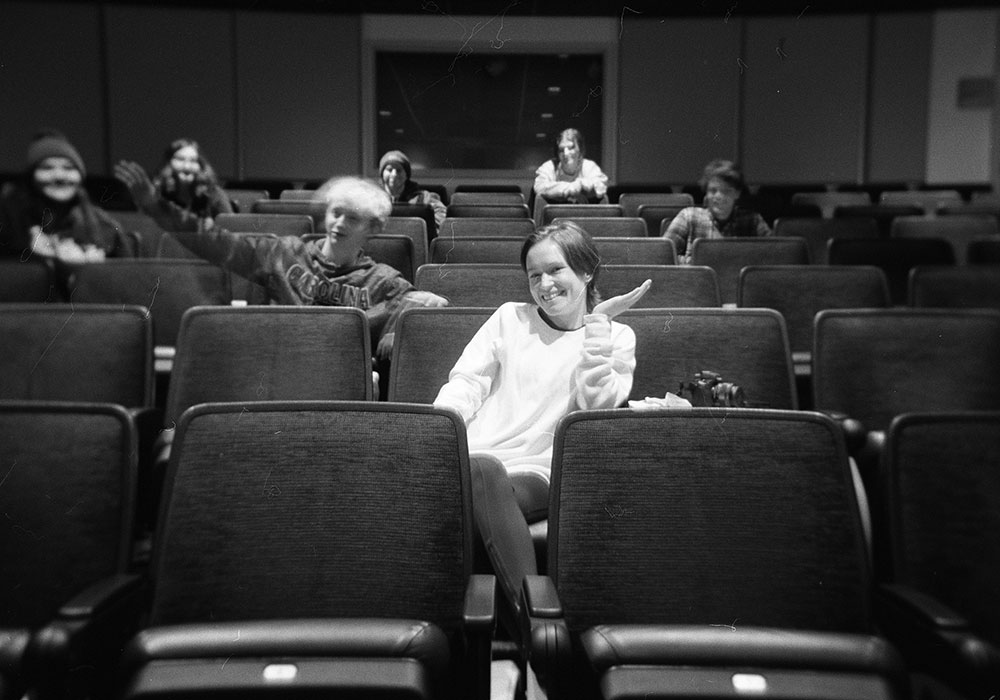
Photography for Non-Majors ARTS 260

Want to upgrade your social media game or just looking for a new creative outlet? Then Photography for Non-Majors may be just what you’re looking for. The introductory course explores the concepts and techniques of the medium as art, as well as its place in contemporary visual culture. Students will learn about photographic history, theory and practice, with an emphasis on visual communication and learning to “see photographically.” You’ll challenge your ideas of photography by looking into historical and contemporary practices and references, asking such questions as what constitutes a photograph? What truths can or cannot be read from a photograph? And what power exists in the wielding of a camera?

By the end of the semester, you’ll understand the basics of photography and have the vocabulary to discuss it.
a black and white photo of people sitting in a theater

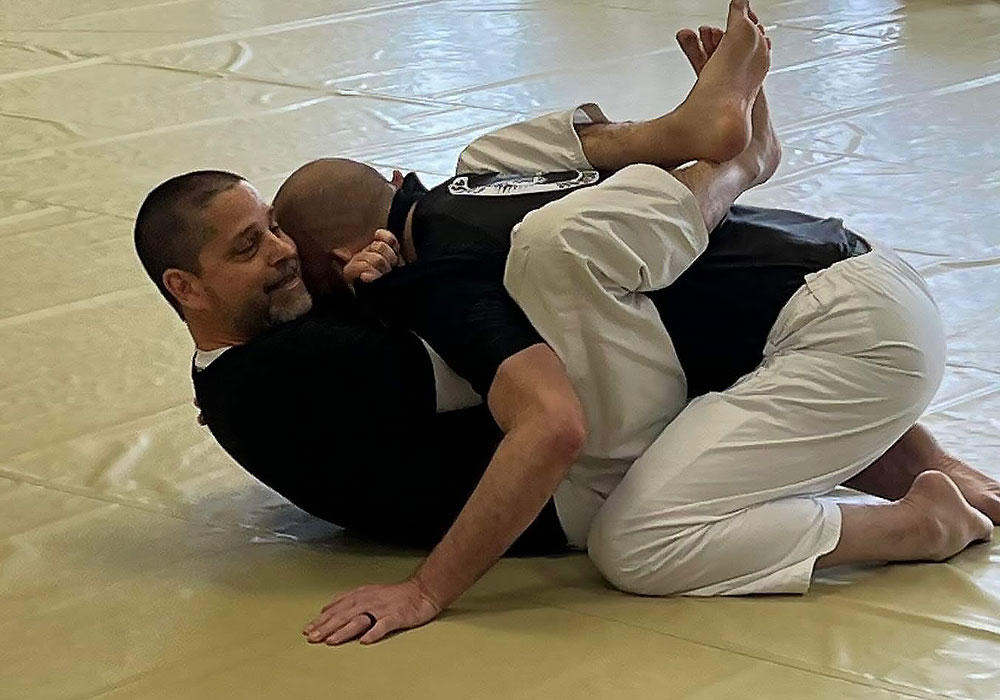
Jiu-Jitsu PEDU 100

Originating in Japan during the Nara period, jiu-jitsu is a martial art designed for close combat on the battlefield. Fighters used their opponent’s force against them during combat. Today, jiu-jitsu is still practiced for self-defense but also as a sport. This course is taught by John Carter, a nationally certified Gracie jiu-jitsu black belt with 40 years of martial arts experience. During the semester, you’ll have access to free training privileges at his Jiu-Jitsu academy. Students will learn self-control and safety in training while honing their technique with a focus on common attacker behavior like punches, pushes, chokes and tackles. By the end of the course, you’ll be able to demonstrate proper implementation of techniques using leverage and timing.
two people practicing jiu jitsu

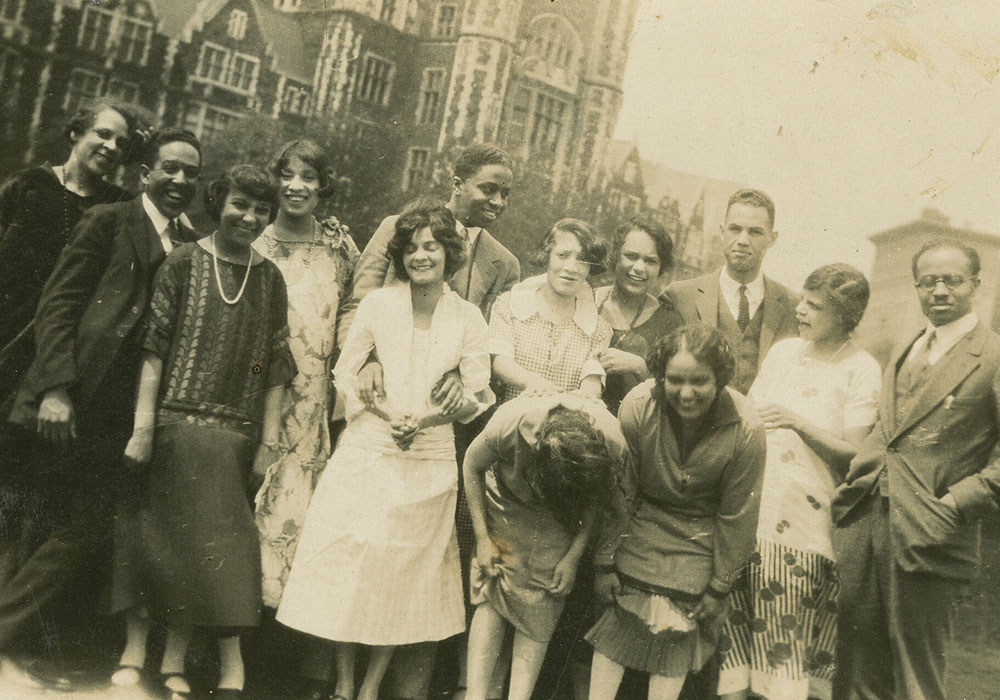
Harlem Renaissance AFAM 398/ENGL 430

The Harlem Renaissance highlights the blossoming and robust social life of African Americans in early 20th century Harlem, New York. The movement included a wide range of cultural activity, including cinema, music, performance, visual art and literature. In this course, students will learn about the movement’s major figures, as well as some of its canonical literary and cultural texts, to assess its ambitions regarding notions of Black beauty, community, pedagogy, pride and resistance.
Guests at a 1925 breakfast party for Langston Hughes

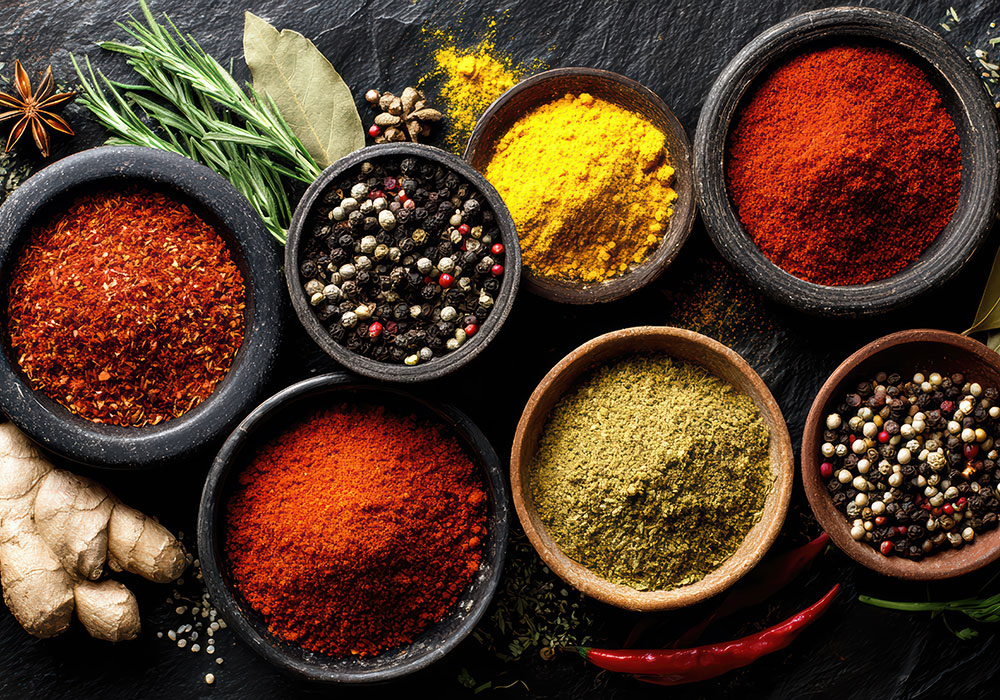
Food and Culture ANTH 212

Food isn’t just for sustenance; it is a vehicle for memory, a marker of belonging and a site of contestation. In the anthropology course Food and Culture, you’ll examine food as a lens for understanding culture, identity, migration and social inequality in the United States and around the world. Through anthropological perspectives, you’ll examine how foodways reflect and shape regional identities, racial and ethnic experiences, diasporic connections and access to resources. Students will explore the cultural meanings of food as well as its production, preparation, consumption and distribution across diverse communities.


Vibrant assortment of spices and herbs

At South Carolina, the possibilities are endless — all you have to do is reach for them. So, take that random class just for fun. Make new friends, develop new skills and create experiences you'll never forget.

©