When the University of South Carolina established a new medical school at its Greenville campus in 2012, it made the innovative decision to entwine aspects of nutrition, exercise, sleep and other lifestyle behaviors extensively throughout its curriculum.
Lifestyle medicine is an evidence-based medical specialty that uses therapeutic lifestyle interventions to prevent, treat and, in some cases, reverse chronic diseases such as diabetes, heart disease and obesity. It focuses on the root causes of illness by addressing six key pillars: nutrition, physical activity, sleep, stress management, connectedness and avoidance of risky substances.
In addition to reducing blood pressure and improving cardiovascular health, lifestyle interventions have shown remission potential for patients with prediabetes or type 2 diabetes diagnoses — areas of growing need in South Carolina.
Training doctors in lifestyle medicine, including the benefits of exercise, healthy nutrition and sleep for brain health and healthy living gives graduate physicians the tools to provide the best care to their patients by helping them improve their lifestyle behaviors, improve their health and often reduce medication usage.
When the University of South Carolina established a new medical school in Greenville in 2012, it made the bold decision to integrate lifestyle medicine across all four years of its new curriculum.
Jennifer Trilk, professor and director of Lifestyle Medicine Programs at the school, created the lifestyle medicine curriculum, or “LMEd.” Her focus was on prevention. “How can we start at the root cause of chronic diseases and teach our doctors how to prevent them?” Trilk says.
For instance, lectures on neurogenesis and neuronal repair include research showing that regular physical activity increases brain-derived neurotrophic factor (BDNF) — a substance that researchers have dubbed Miracle-Gro for the brain.
Growing a lifestyle medicine curriculum
The curriculum now includes required lifestyle content across every year of training — incorporating over 100 hours of required lifestyle medicine content into classroom learning and medical school experiences.
Students learn about eating healthy, exercising, managing stress, building healthy relationships, developing quality sleep habits and avoiding substance abuse. These skills help them persevere through the rigors of medical school and allow them to pass along their firsthand knowledge to future patients — strengthening individual, family and community health.
“Lifestyle medicine is crucial to helping patients live their healthiest lives because health is built through everyday choices,” says Trilk. “When we provide people with the tools, confidence and support to improve how they move, eat, sleep, manage stress and connect with others, we create lasting change that extends far beyond the clinic. Lifestyle medicine empowers individuals to become active participants in their own health and well-being.”
The expanded curriculum also offers third-year students a unique look at lifestyle medicine through the lens of primary care clerkships at Prisma Health.
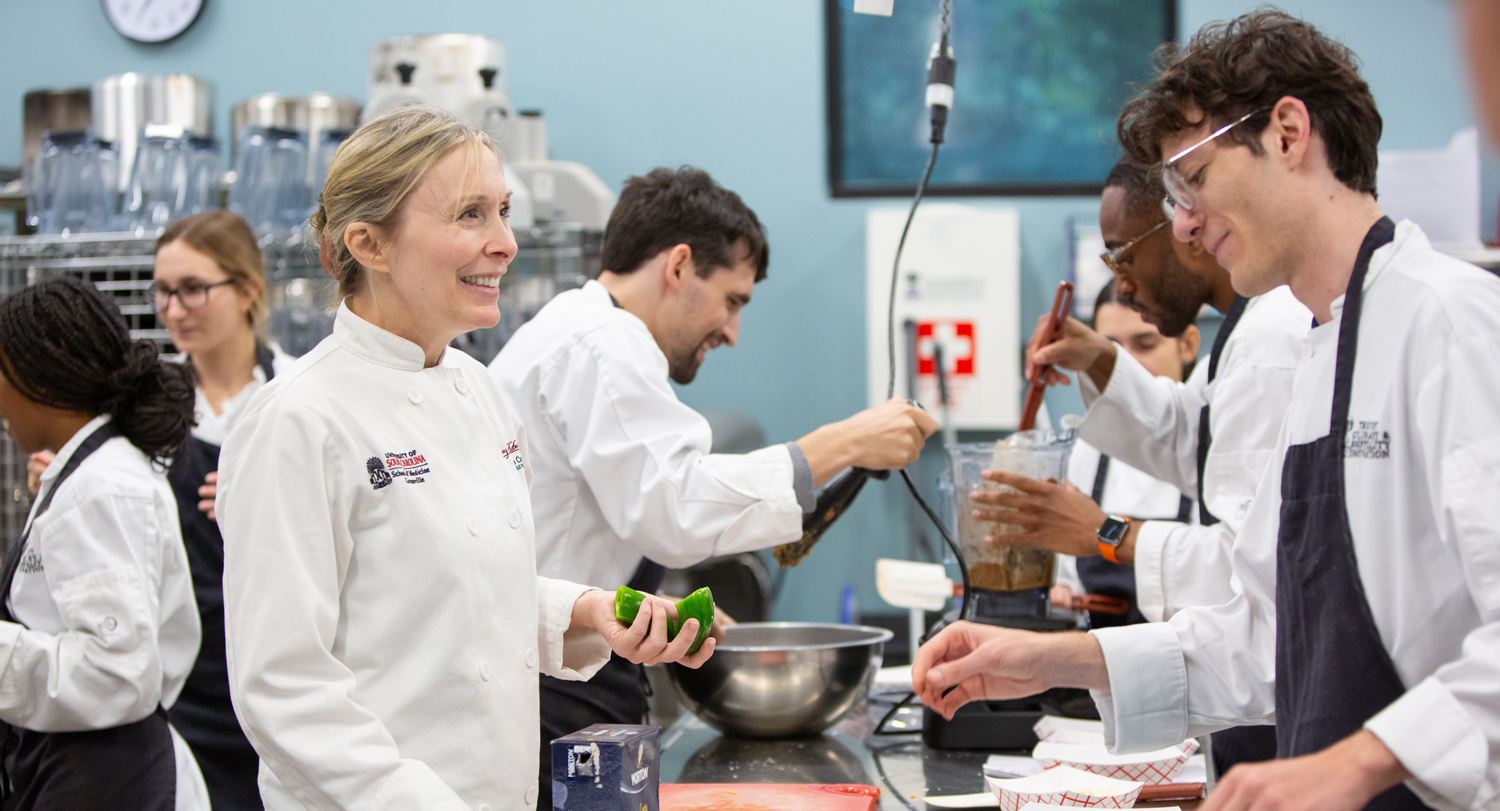
To elevate the medical students’ competencies in food as medicine, the school added culinary medicine opportunities for all first- and fourth-year students in 2017 and plans to launch a mobile teaching kitchen in communities of need in 2026. The practical, hands-on component brings nutrition science to life and has become a signature elective that complements the school’s nationally recognized curriculum.
In partnership with Greenville Technical College, first-year students have the opportunity to complete a summer elective class with 4-hour block culinary medicine modules. The class includes a capstone project that applies chronic disease content and food-security principles, including pricing meals under $2.50 per portion. Group work emphasizes recipe design and implementation, patient perspectives and the realities of food insecurity.
In a monthlong course right before graduation, fourth-year students can complete a community-focused capstone project that pairs students with real patients to co-create meals tailored to patients with currently diagnosed chronic conditions, linking culinary skills directly to clinical application.
From medical education to patient care
The School of Medicine Greenville’s LMEd program now serves as an international model to advance medical school education and patient outcomes. Trilk has counseled over 60 U.S. medical schools to date and has taught the LMEd curriculum at medical schools in Italy, Israel and Germany.
“Lifestyle medicine is unique in that doctors trained in this specialty start examining the root cause of the chronic disease that the patient is either diagnosed with or at risk of being diagnosed with soon,” says Trilk. “Evaluation starts further upstream and explores what lifestyle behaviors, such as eating too much processed food or having a sedentary lifestyle, may have caused the patient’s chronic condition.”
Where exactly does lifestyle medicine fit within the U.S. healthcare system? Conventional medicine starts at the disease and focuses on ways to treat and manage the symptoms of chronic disease. Lifestyle medicine is a specialized approach that creates a physician-patient team to make decisions that improve the patient's health.
“At the center of lifestyle medicine is a shared decision-making process — with the doctor being the patient’s biggest advocate, their biggest cheerleader,” says Trilk. “Conventional medicine and lifestyle medicine work hand in hand to provide the best care for patients.”
She adds, “It is about meeting the patient where they are, in what they are comfortable changing, whether that is reducing unhealthy food consumption or starting to take walks around the block. Patients may not feel comfortable going to a gym, and that is OK, because we want patients to know they have a decision in their own care.”