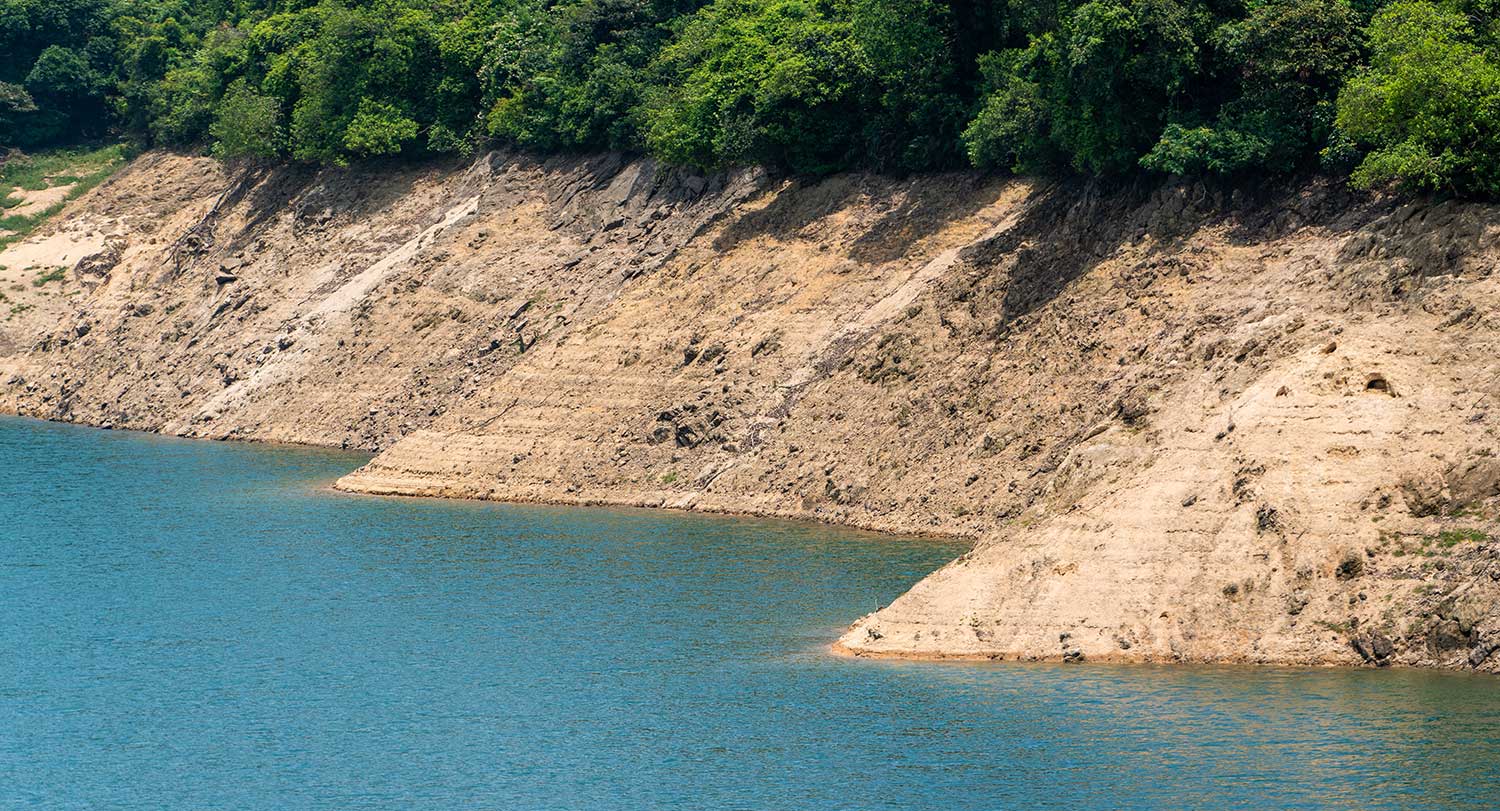
A common food additive used as a thickener in soups, salad dressings and ice cream has demonstrated high potential for another use — slowing dangerous erosion on overtopped dams and levees.
A research team led by University of South Carolina civil engineering professor Hanif Chaudhry partnered in a recently concluded four-year, $4 million study funded by the U.S. Army Corps of Engineers to evaluate the effectiveness of biopolymers — including the food additive xanthan gum — in improving the erosion-resistance of earthen dams and levees. These naturally occurring molecule chains play an increasingly important role in sustainable engineering.
“The biopolymers help bind the soil particles together, and, in our testing, that limited the scope of erosion that occurs when a dam or levee is overtopped due to flooding,” says Chaudhry, who has led several flood-related studies during his long career. “When the biopolymer is added to a soil mixture, the soil has similar characteristics to those with more clay — there is less water infiltration and better soil cohesion.”
Chaudhry’s team on the project included fellow engineering professor Enrica Viparelli as co-principal investigator, current and former professors Jasim Imran and Erfan Goharian as senior investigators, as well as several graduate and undergraduate students and four post-doctoral fellows. They were tasked with evaluating how water flow was affected on earthen dam and levee models with and without biopolymers added to the soil.
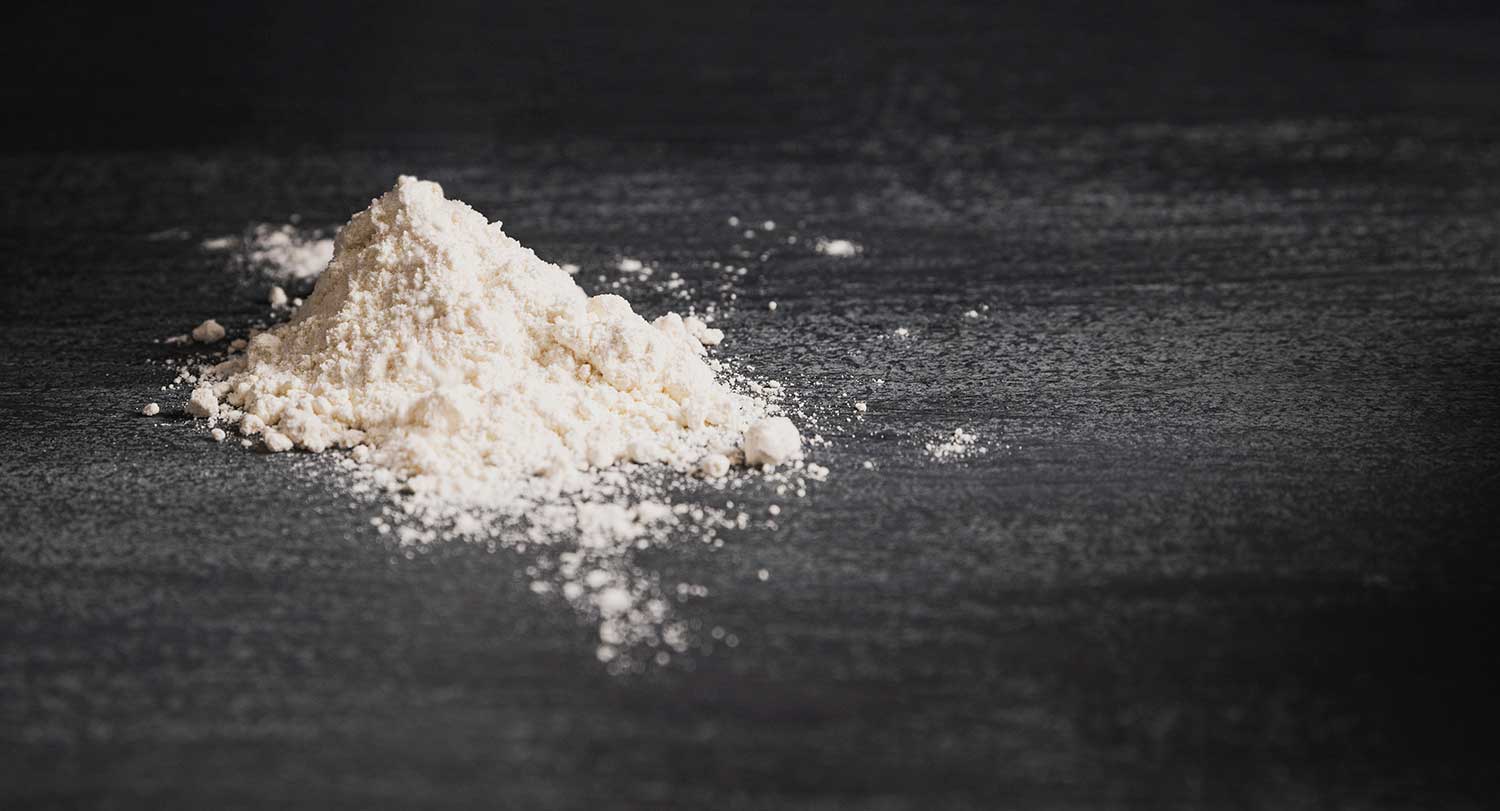
Other partner institutions included SUNY Stony Brook, which studied how biopolymers affected the material properties of the soil; Virginia Tech, which studied geotechnical aspects of the dam and levee structures; and the U.S. Army Corps of Engineers, which used its Engineering and Research Development Center on the Mississippi River to conduct large-scale tests on dam and levee models.
Finding solutions to lessen the vulnerability of the nation’s 73,000 earthen dams and 24,000 miles of levees is key as climate change has ushered in an era of extreme precipitation events. The American Society of Civil Engineers assigned a grade of D to the nation’s dams and levees in its 2021 assessment of flood control infrastructure. In South Carolina, catastrophic flooding in 2015 breached more than 50 dams and caused 19 fatalities.
“Xanthan gum is biodegradable and relatively inexpensive, and now we have a good amount of data that shows it is helpful in preventing erosion when water flows over the top of a dam or levee,” Chaudhry says. “It also acts like a fertilizer, leading to a well-developed root structure of vegetation growing on those structures.”
Chaudhry noted that the study focused only on the immediate effects of applying biopolymers to dam and levee soils. Its long-term effectiveness in improving soil cohesion and erosion resistance still needs to be investigated.
“We’re evaluating where the application of biopolymers would be most helpful. They can be easily added to the soil on new structures, and there is the thought that adding them to at least the crest area of some existing dams might be helpful as that could buy the dam owner more time to act in the event of a heavy rainfall event,” Chaudhry says. “But those are just starting point ideas — we haven’t come up with responses to all that needs to be answered, which will require well-planned, long-term investigations.”