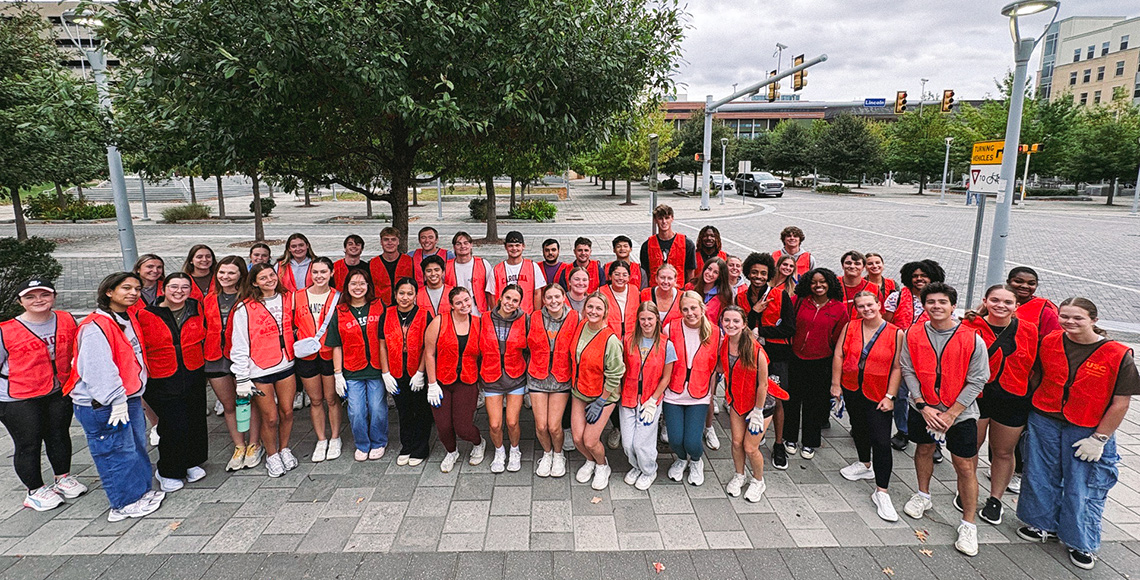
$17,215 is the estimated economic impact of the 552.5 hours of community service completed
by first-year Honors University 101 students during the course’s inaugural October
service competition. The program was held for the first time this fall as an optional
assignment across course sections, supporting organizations and causes throughout
the greater city of Columbia. Classes were incentivized for service hours completed
with prizes offering to the first, second and third place sections. First place winners
received a tour of Williams-Brice Stadium, with second and third place winners being
treated to dinner at Grill Marks and Thirsty Fellow Pizzeria and Pub.
Finding their service passion
“It was a really fun experience,” shared freshman biological sciences major Rylie Morris. Project participants such as Morris were allowed to select their own areas of service.
When deciding what to do, she reflected on her passion for community service, citing
its beginnings before starting classes at USC. For Morris, the Honors competition
gave her an outlet for combining her interests in public health with community service.
One option to do this was with the student organization Project Vida, which performs
outreach to Ezekiel Ministries, a Columbia faith-based non-profit. Through Project
Vida, Morris teaches various health subjects to inner-city children at Ezekiel Ministries
every other Monday.
Instructors and peer leaders who make an impact
University 101 instructor and Honors career services director Gabby Coggin led the first-place Honors section along with her peer leader Emmie Coler. When the competition was first proposed, Coggin wasn't sure how she would get students
excited about it. Ultimately, she credits Coler for motivating their students to complete
service hours. “Having a good peer leader is a huge part of the success of this challenge,”
Coggin shared.
Coler said that she believes one of the most rewarding aspects of the competition
was that it was optional. “The students put in so much work for something they weren’t
required to do,” she explained. Coler often volunteered with her students on Fridays
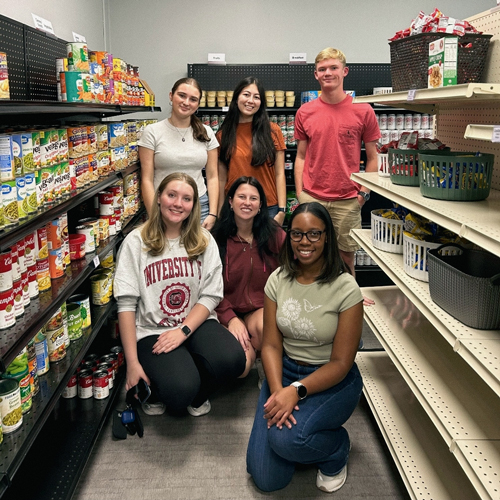
from 1 to 5 p.m. in the Gamecock CommUnity Shop, an on-campus resource pantry. Volunteering
in the CommUnity Shop was their section’s most consistent service, Coler said.
“The students are the ones who put the work in, and they are the ones who showed up
time and time again.” Coler said. “All of the success is due to the students.”
Coggin hopes the competition will continue in future University 101 sections. “The
competition definitely had a huge impact on their friendships.”
Creating communities and giving back to communities
91% of the participating students said the competition helped them engage with campus
and volunteer resources, according to a survey released by Honors experiential learning
coordinator and University 101 instructor Dylan Adame. Additionally, 88% felt the service competition deepened their understanding of service
and community impact. Lastly, 80% felt the competition helped them connect with other
Honors students.
Adame was the staff member who organized the service competition. It was also his
first year teaching an Honors section himself. In his role with the Honors College,
Adame was looking for a way to encourage first-year Honors students to get close to
one another while also giving back to the community.
“It’s been so great to hear student conversations in class about how they’re becoming
passionate about service,” Adame said.
Kensie McGee, a student participant, said that the service competition allowed her to get involved
in service and encouraged her to get to know more about her community as a whole.
McGee volunteered in a range of community services including trash pickup with the
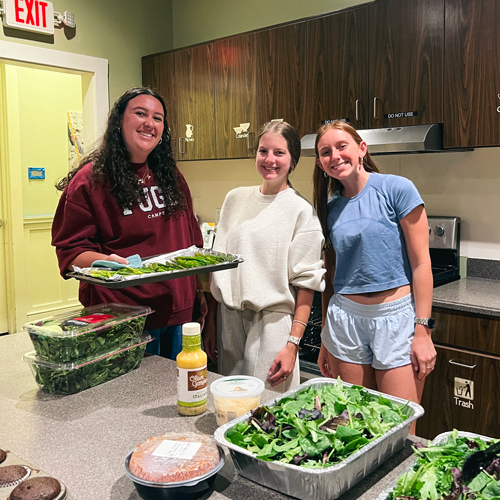
non-profit Keeping the Midlands Beautiful and cooking for families in need at the
Ronald McDonald House.
“It’s cool that I can put into the community here,” McGee said. “I love giving back.
I saw how much of an impact I can have on my community here.”
About the Author
Brea Stone
Brea Stone is a second-year student in the South Carolina Honors College, where she
is pursuing a dual-degree in journalism and English, anthropology.
Brea wrote this story as a part of Bertram Rantin’s Honors JOUR 291 Writing for Mass
Communications course. Outside of journalism, Brea loves watching plays at Longstreet
Theatre, reading Agatha Christie and spending time with her beagle, Paddy.