At the intersection of innovation, patient care and career development, Pharmacy alumni are driving transformative changes in the pharmaceutical field. From pioneering delivery methods for groundbreaking gene therapies to opening state-of-the-art compounding pharmacies and expanding industry career pathways, our young alumni are shaping the future of health care.
Together, their collective impact highlights the power of USC’s Pharmacy program in cultivating innovative leaders who are making a difference both locally and globally.
Leading the charge in gene therapy
Katie Bull Rasmussen, ’17, and Abbie Bouknight, ’20, played crucial roles in introducing Hemgenix, a $3.5 million gene therapy treatment for hemophilia B, at Prisma Health’s Hemostasis and Thrombosis Center.
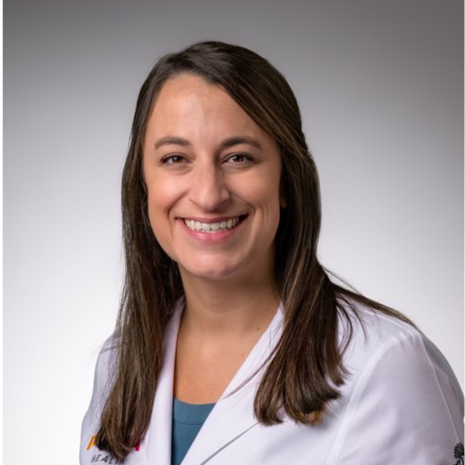
Rasmussen explains that most patients require prophylaxis with factor IX throughout their life. “Whether that’s a weekly IV stick or every other week, they are constantly having to infuse themselves,” she notes. “It can also limit their physical activity because they may be afraid to do things very physical or not allowed to because of the risk of a bleed.”
Hemgenix offers a one-time gene therapy treatment that can elevate factor IX levels for years. “Receiving Hemgenix allows patients to not be tied to prophylactic factor infusions and being able to live a more active lifestyle,” Rasmussen says. “Not being tied to that weekly infusion helps with travel as well.”
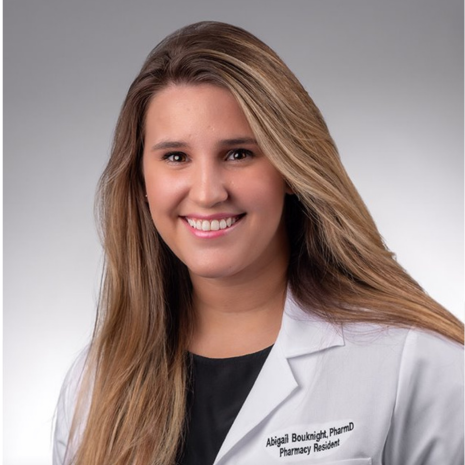
Bouknight, Prisma Health’s 340B Operations Pharmacy manager, managed the administrative complexities once it was determined that Hemgenix could provide the best clinical option for the best outcome.
“That’s when me and my team get brought in,” she explains. “We help handle a single case agreement with the insurance company, source the product, and set up additional security surrounding this product because of the expense.”
“The 340B Drug Pricing Program is critical in making such treatments accessible. If we were not 340B-eligible, it would be difficult to provide this type of care to patients because the expense is so large,” Bouknight adds.
Their collaborative efforts have positioned the center to support regional referrals. “We could potentially serve other patients outside of our state,” Bouknight said. “We’re talking about the ability to serve patients across the Southeast.”
Compounding a vision
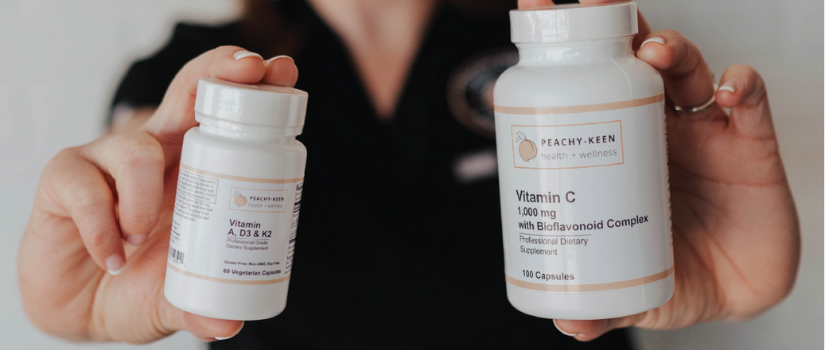
After a decade of specializing in pharmaceutical compounding, Madison Peach-Keen, ’14, has realized a lifelong goal of owning her own pharmacy by opening Peachy-Keen Health + Wellness, a state-of-the-art compounding pharmacy in Meridian, Idaho.
Her journey into specialized pharmacy began as a first-year student at the USC College of Pharmacy.
“I remember my first semester when we took our compounding lab, I just had so much fun,” she recalls. “I’ve always been fascinated with the lab work component, being able to formulate things, balance them, make sure the pH is right.”
After graduation, Peach-Keen launched her career with Professional Compounding Centers of America while also teaching pharmacy students. While she enjoyed academia, she transitioned to independent community pharmacy in 2017.
One-size-fits-all has never been a mantra that spoke to me. I think compounding under the umbrella of independent pharmacy has been the best way to utilize my license and education and really have the biggest impact with my patients.
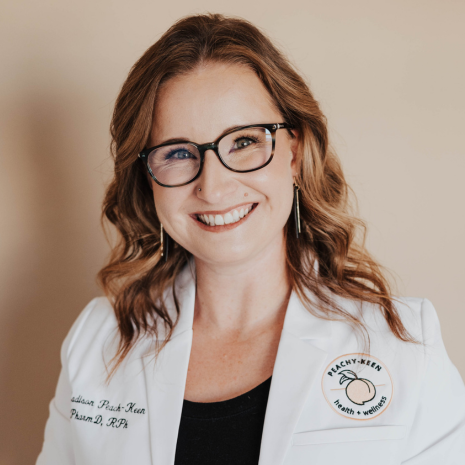
“Compounding is my heart,” she explains. “I love being able to personalize medications and make clean formulations for patients. Under the scope of independent community pharmacy, you have more time to spend with your patients.”
Peach-Keen credits the college for supporting her specialized career path.
“USC provided so much support, the staff in particular,” she said. “When I decided I wanted to go into compounding, Kathy Moore and Bryan Ziegler were very supportive and tried to connect me with as many rotations as I could get in compounding.”
What makes Peachy-Keen Health + Wellness distinctive is her approach to patient care. With a passion for functional health, she practices root cause medicine and takes advantage of Idaho’s unique laws allowing pharmacists prescriptive authority.
“Everybody is different. One-size-fits-all has never been a mantra that spoke to me,” she says. “I think compounding under the umbrella of independent pharmacy has been the best way to utilize my license and education and really have the biggest impact with my patients.”
Paving the Way to Industry Careers
When Jessica Shue, ’21, and Jonathan Hui, ’21, were student pharmacists, they found themselves navigating fellowship applications with little knowledge of the process. Now, they are ensuring current students do not face the same challenges.
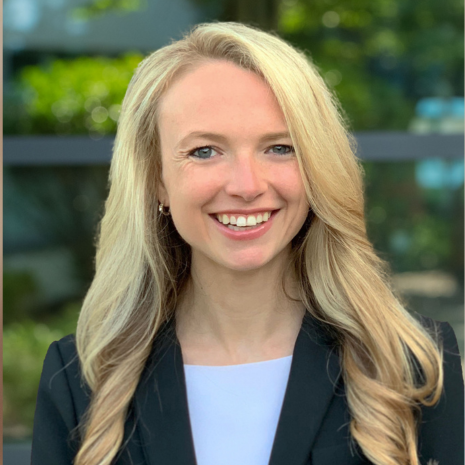
“When I was in pharmacy school, there wasn’t much information specific to industry fellowships,” explains Shue, now a medical science liaison at Novartis. “The timeline is so different than residency. I had to do my own research, and it felt like going through it alone.”
Hui, who is now a manager of Global Clinical Supply Chain Planning at Takeda, echoes this sentiment. “There wasn’t a lot of catering towards the pharmaceutical industry or fellowship route.
Even our CVs and application materials were different than what we needed when applying to fellowships,” he adds.
After securing competitive fellowships following graduation, the pair approached Brandon Bookstaver, ʼ04, director of the college’s residency and fellowship training program, about expanding the track to include industry-focused preparation.
“Dr. Bookstaver did such an amazing job developing this preparation track for residency,” says Shue, “but Jon and I wanted to develop that specific fellowship preparation portion."
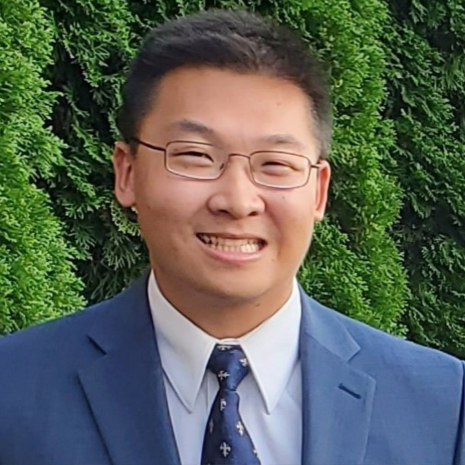
Their initiative includes tailored sessions on application timelines, CV formatting and interview preparation. The time commitment is substantial, with multiple hours each week during application season.
“It’s time well spent because we see the fruit that comes from all these different courses, mock interviews and discussion panels,” says Hui.
Their efforts have yielded strong results, with the number of USC students securing fellowships growing each year. For students considering this path, Hui advises, “Start early, reach out to anyone with a unique background and keep those connections open.”
Topics: Alumni, Pharm.D. Program