We asked Arnold School alumni why they chose the Arnold School, the mentors who influenced their journeys and how their degrees prepared them for their next steps.
Job Title: Associate Professor
Employer: The Ohio State University College of Medicine and Comprehensive Cancer Center
Arnold School Degree(s): MSPH & Ph.D. in Epidemiology, 2014
How did you become interested in public health or your area of study? My career in public health began during my early experience working in a pathology lab where I assisted in diagnosing cancers, many of which were already at advanced stages. This recurring pattern deeply motivated me to pursue cancer prevention with the goal of identifying disease earlier or stopping it before it starts. As I progressed in my academic and professional training, I was drawn to the powerful role of nutrition in modifying cancer risk and treatment response.
How did you decide to attend USC for your degree? Fulbright Scholarship
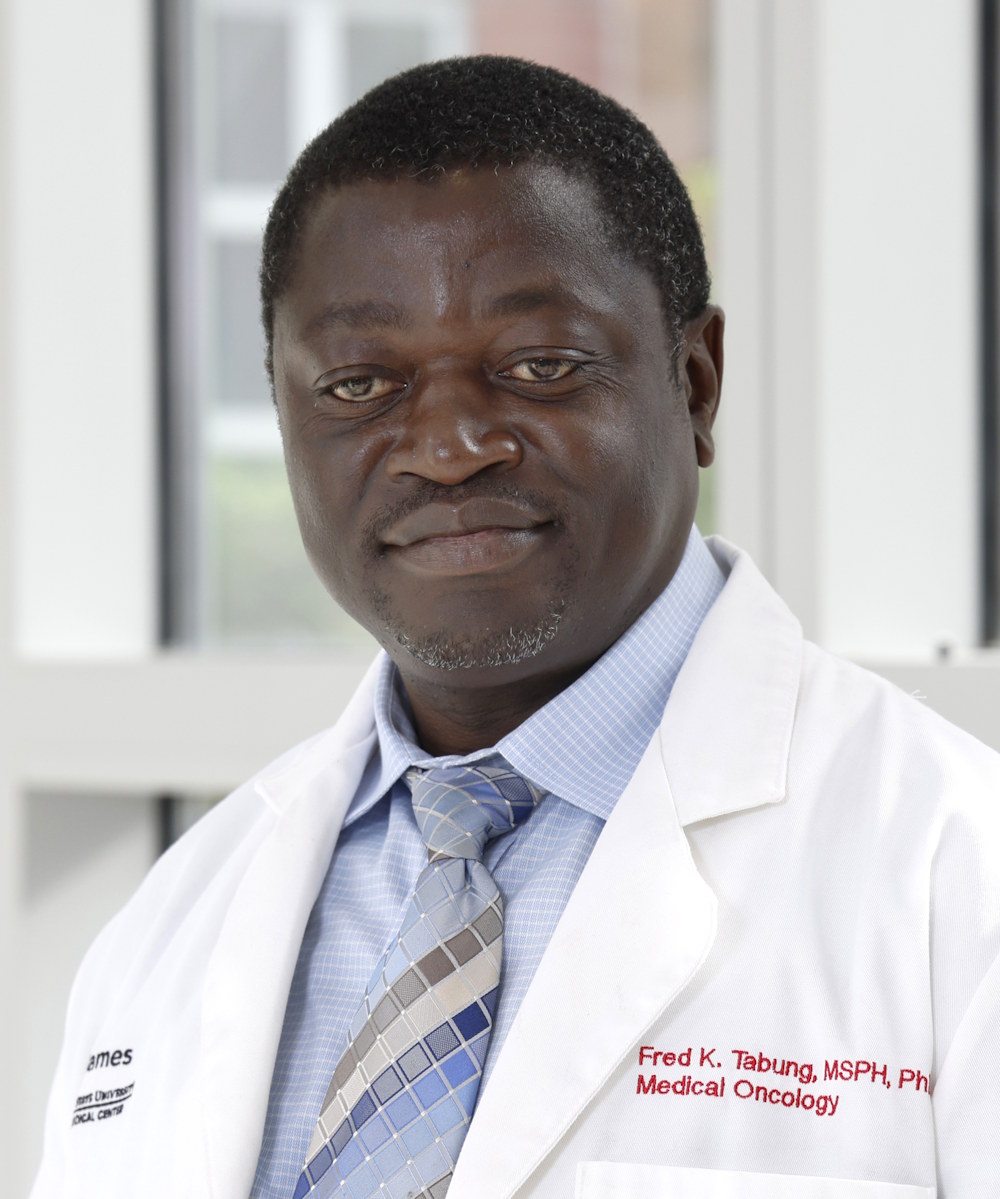
Who were your Arnold School mentors, and how did they influence you? Dr. Susan Steck was my primary mentor in both the MSPH and Ph.D. programs. Dr. Steck provided me with multiple opportunities for career advancement and networking during the program. Her support to me, especially after I had graduated, was critical for my continued growth and success.
What were some of the most valuable knowledge, skills or experiences you gained during your program? Study design, data analysis, advanced epidemiologic methods, preparation of scientific manuscripts
How did you get your start in your field? Through a postdoctoral fellowship at Harvard, where I also obtained a K99/R00 grant from the National Cancer Institute, which was critical in facilitating my transition to a faculty position.
What do you do in your day-to-day work, and how do you use your degree in your work? What I do in my day-to-day work has evolved over time e.g., from heavy data analysis to more on reviews of interim results and manuscripts, and management of my team as it grows. Also, my research has grown from epidemiology/population health to clinical and translational research.
What advice would you give to students pursuing a similar career path? Data analysis skills have become even more critical for success in this field, especially as multiomics have become central in understanding the biologic basis of disease.