August 31, 2026 | Erin Bluvas, bluvase@sc.edu
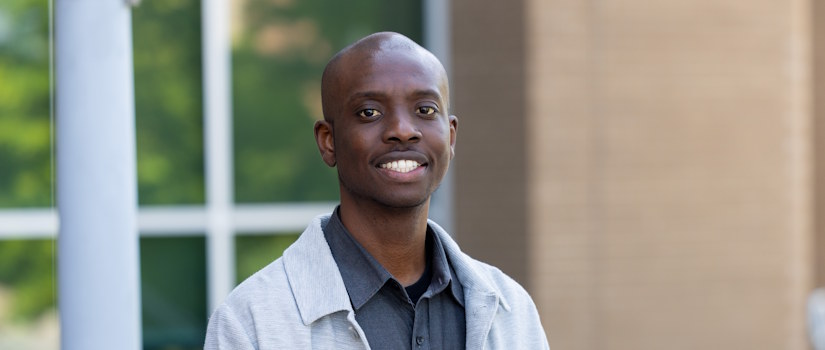
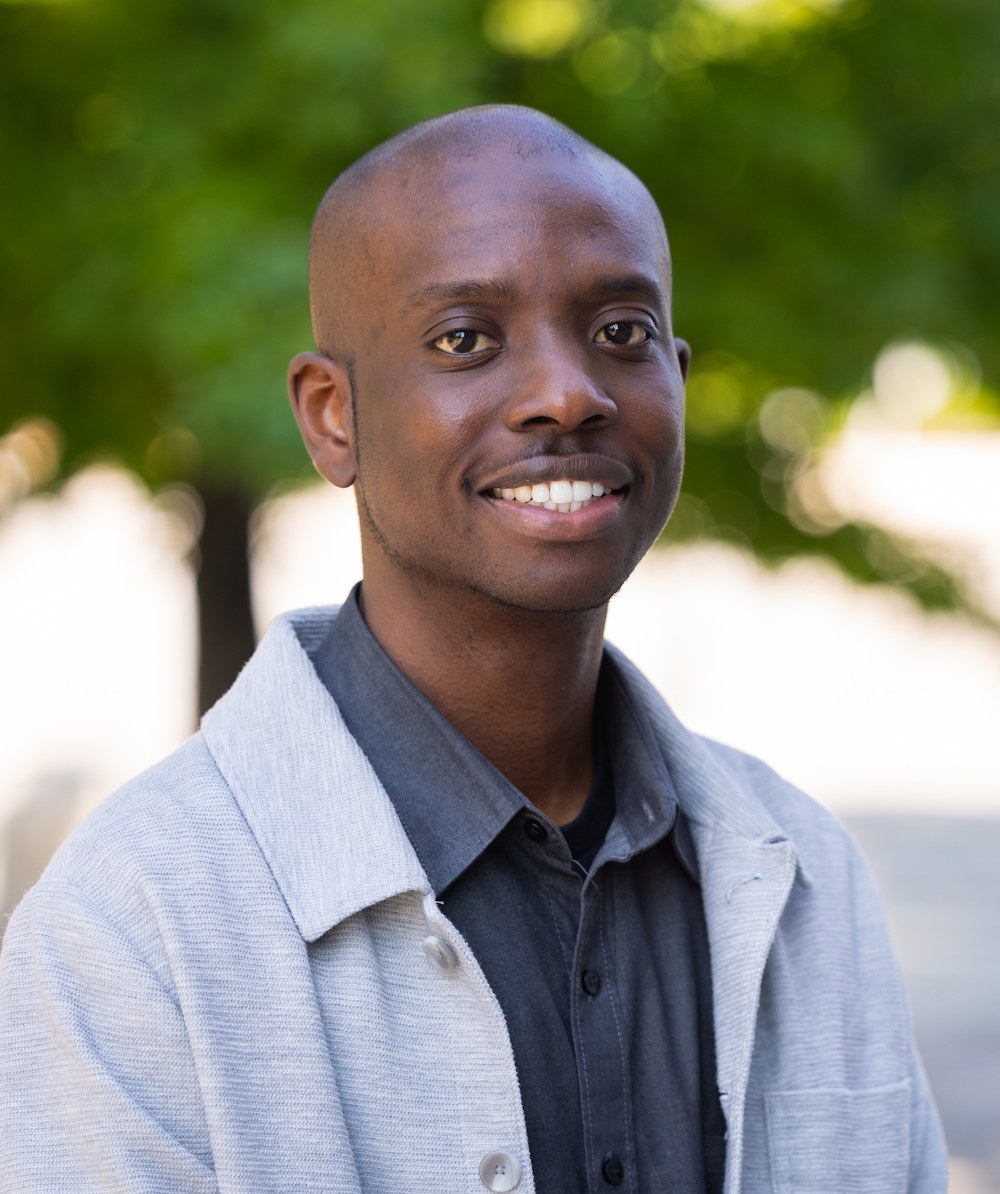
Fresh off a three-year postdoctoral fellowship at the National Cancer Institute (NCI), Samuel Anyaso-Samuel is ready to bring his broad biostatistical and collaborative research experience to the Arnold School as the newest member of the Department of Epidemiology and Biostatistics.
Anyaso-Samuel’s training spans both traditional biostatistical methodology and modern statistical genomics. During his doctoral studies in biostatistics at the University of Florida, his methodological research focused on survival analysis, multistate models and methods for cluster-correlated data. He also gained extensive collaborative experience as a biostatistician with the Malcom Randall VA Medical Center’s Brain Rehabilitation Research Center, where he worked with behavioral and rehabilitation researchers studying post-traumatic stress disorder, brain function and related outcomes among veterans.
After completing his Ph.D., Anyaso-Samuel shifted his research toward computational genomics during a postdoctoral fellowship in NCI’s Division of Cancer Epidemiology and Genetics. There, he developed and applied statistical methods for high-dimensional genomic, microbiome, multi-omics and spatial transcriptomics data while collaborating with epidemiologists, geneticists, clinicians and other domain experts.
“My research focuses on developing statistical methods for high-dimensional biomedical data, with an emphasis on computational genomics, multi-omics integration, and cancer epidemiology,” Anyaso-Samuel says. “A major theme of my work is understanding how genetic and environmental factors influence biological networks and how these molecular processes relate to disease risk and progression.”
His collaborative work spans several large-scale population and molecular epidemiology studies. Across the PLCO Cancer Screening Trial, NIH-AARP Diet and Health Study and Agricultural Health Study, he investigated relationships between dietary factors and the oral microbiome. Through the International Melanoma Genetics Consortium, he modeled melanoma risk in U.S. and Australian populations. He has also contributed to studies of lung cancer among never-smokers, including the Sherlock-Lung study, which integrates genomic, microbiome and spatial transcriptomics data to investigate disease risk and tumor biology.
“These collaborations have been an important part of how my research has developed,” Anyaso-Samuel says. “Working with investigators from different scientific backgrounds often raises statistical questions that motivate new methodological work, while also giving those methods an immediate path to meaningful applications.”
That combination of methodological research and interdisciplinary collaboration was a major part of the Arnold School’s appeal. Anyaso-Samuel was particularly drawn to the breadth of research across epidemiology, cancer prevention, nutrition, and other areas of public health.
“The Department of Epidemiology and Biostatistics provides an excellent setting for developing my independent methodological research program while also contributing statistical expertise to interdisciplinary research,” he says. “I am looking forward to building collaborations across the Arnold School and the university, mentoring students, and developing new research at the intersection of biostatistics, computational genomics, and population health. I am also excited about opportunities to translate methodological developments into applications involving large-scale biomedical and public health data.”
“We are excited to welcome Dr. Anyaso-Samuel to the department,” says epidemiology and biostatistics chair Anthony Alberg. “After his stellar training at the University of Florida and the National Cancer Institute, he has all the attributes we could hope for: strong quantitative skills for biostatistical methods development, the scientific expertise to be an excellent leader and collaborator in the cross-disciplinary team science environment, and excellent interpersonal skills that will serve him well in research, teaching and mentoring.”