August 19, 2026 | Erin Bluvas, bluvase@sc.edu
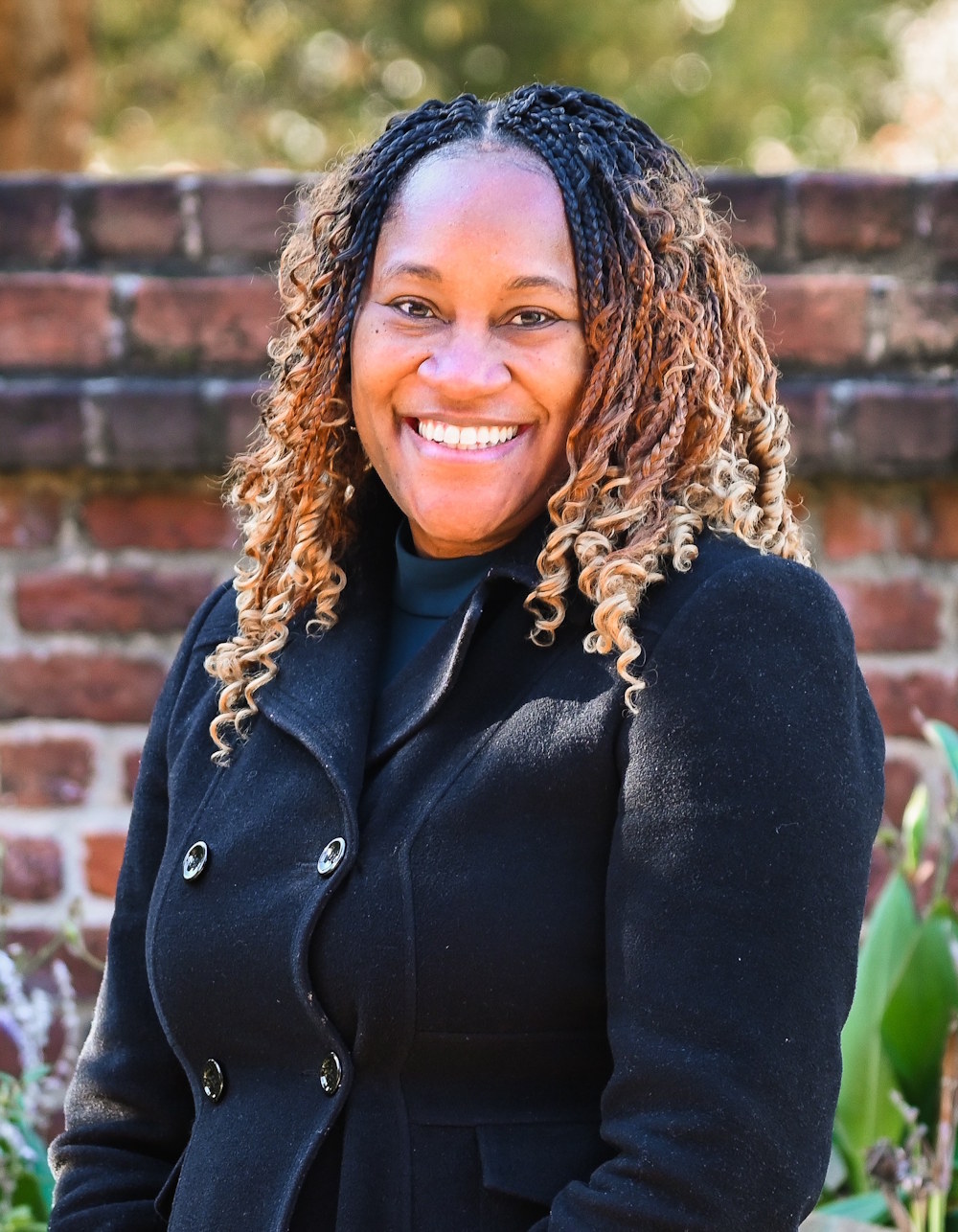
An expert on HIV prevention and interventions, epidemiology associate professor Monique Brown is unveiling new insights into the challenges facing an understudied, yet growing, segment of the HIV population: older adults. Research led by Brown gives scientists and clinicians a better understanding of the intersection of aging and cognition among people living with HIV.
With support from the National Institute on Aging-funded Carolina Center on Alzheimer’s Disease and Minority Research, Brown and her team have published their findings in journals such as AIDS, the Southern Medical Journal, and AIDS Care. In these papers, they are the first to describe the clinical and sociodemographic characteristics of Alzheimer’s disease and related dementias among people living with HIV in the state. They have also identified health disparities in mortality among individuals with HIV-associated dementia and examined the sociodemographic characteristics of members of this group.
Aided by advances in antiretroviral therapy, people with HIV are living longer, healthier lives. As a result, more than 54% of Americans diagnosed with HIV are ages 50 and older, according to HIV.gov (compared to 13% globally, per UNAIDS). Longer lifespans also mean more time for HIV-related neurocognitive decline to develop, which has emerged as one of the most pressing issues facing this group.
“Due to its association with neuroinflammation, HIV has been implicated as playing a role in the development of Alzheimer's disease and related dementias among people living with HIV,” Brown says. “These conditions not only threaten overall quality of life, but they also have a significant economic impact on the individual and the nation, as well as decreased treatment adherence and increased adverse health outcomes and mortality rates among those affected.”
Like other southern rural states, South Carolina is disproportionately affected by HIV. Due to our aging population, scientists expect to see an increase in the people living with HIV who will be at risk of developing Alzheimer's disease or related dementias. South Carolina already has one of the highest mortality rates from these conditions, which makes it even more critical for researchers to examine the risk factors associated with their development.
Leveraging data from the South Carolina Alzheimer's Disease Registry, which is maintained by the Arnold School’s Office for the Study of Aging where Brown is a Faculty Affiliate, one of her recent studies looked at who was experiencing HIV-associated dementia in the state. Their analysis showed that individuals younger than age 74, communities of color, men, urban populations, and nursing facility residents were more likely to have this type of dementia. When looking at the disparities in mortality rates among South Carolinians living with HIV-associated dementia, the researchers discovered that those diagnosed in nursing facilities (compared to living in the community) and Black populations (compared to white) were more likely to die with HIV-associated dementia.
In a third project, Brown and her collaborators looked at the larger population of people living with HIV in South Carolina to determine who was most at risk for Alzheimer's disease and related dementias. They found that an individual’s likelihood of having one of these conditions increased in lockstep with age. For example, an 80-year-old person living with HIV was 80 times more likely to have Alzheimer's disease or a related dementia than a member of the youngest adult age group (18-29 years).
“By identifying who is most vulnerable to HIV-associated dementia, our goal is help
inform screening and intervention tools that improve quality of life, lower mortality
and morbidity rates, and promote adherence to antiretroviral therapies,” Brown says.
“Future research should focus on developing interventions geared towards improving
mental and behavioral health among people living with HIV and cognitive impairment.”
You May Also Like
New faculty member Fanghui Shi awarded NIH grant to protect at-risk populations from
contracting HIV
New grant will enable Xueying Yang to improve HIV care through AI-powered tools
Xueying Yang tracks HIV care from youth to adulthood
New study examines pediatric-to-adult HIV care transition in the South
New project drills deeper into HIV data to find patterns, gaps in care
New study will assess pandemic interruptions to health care for South Carolinians living with HIV