
Four Molinaroli College of Engineering and Computing faculty members retired this spring after decades of teaching, research and mentorship. While their careers took different paths, they shared a common legacy: an investment in students.
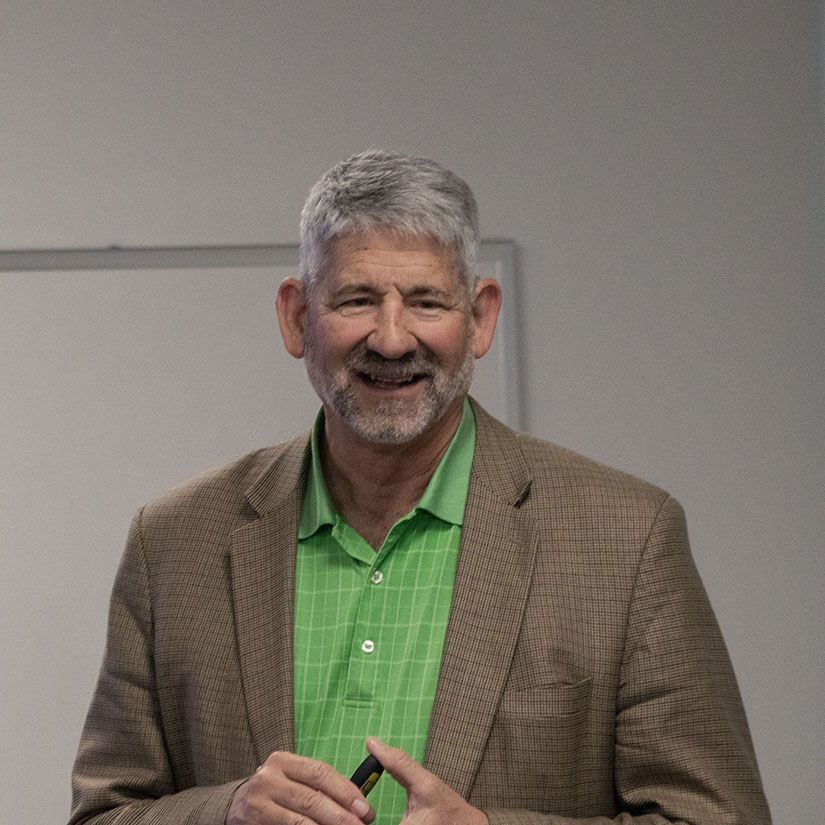
John Regalbuto: A catalyst for innovation
By the time John Regalbuto arrived at USC in 2011, he had already established a national reputation in catalysis and renewable fuels. But he says his years at the University of South Carolina as the most productive of his career.
Regalbuto earned degrees in chemical engineering from Texas A&M University and the University of Notre Dame before teaching at the University of Illinois Chicago for 25 years. When he arrived at USC, he found collaborators whose expertise complemented his own. Together, they established the Center for Rational Catalyst Synthesis, a National Science Foundation-supported partnership involving universities across the country and more than 15 industry partners focused on improving solid catalysts.
Although his title as the SmartState Endowed Chair in Renewable Fuels reflected his work, Regalbuto says the relationships he built throughout his career stand out just as much.
He enjoyed helping students learn to think like professional engineers and watching them grow into independent scholars. Regalbuto also treasured the friendships he developed with colleagues, including years of camaraderie with the late chemical engineering professor John Monnier.
“Dealing with students my whole career keeps me young,” Regalbuto says. “I still love going into class on the first day.”
Those collaborations continue even in retirement. Regalbuto, Monnier and two former students co-authored, A Heterogeneous Catalysis Primer: Catalyst Preparation, Characterization, and Evaluation, a textbook scheduled for publication in 2027. Regalbuto, who is now a professor emeritus, plans to finish editing the textbook and continue working on a second book about professional ethics.
While he expects artificial intelligence to transform engineering education and research, he believes the heart of scientific discovery will remain the same.
“I’m sure AI will assist incredibly and make things more efficient,” Regalbuto says. “But the key to progress is planning good experiments.”
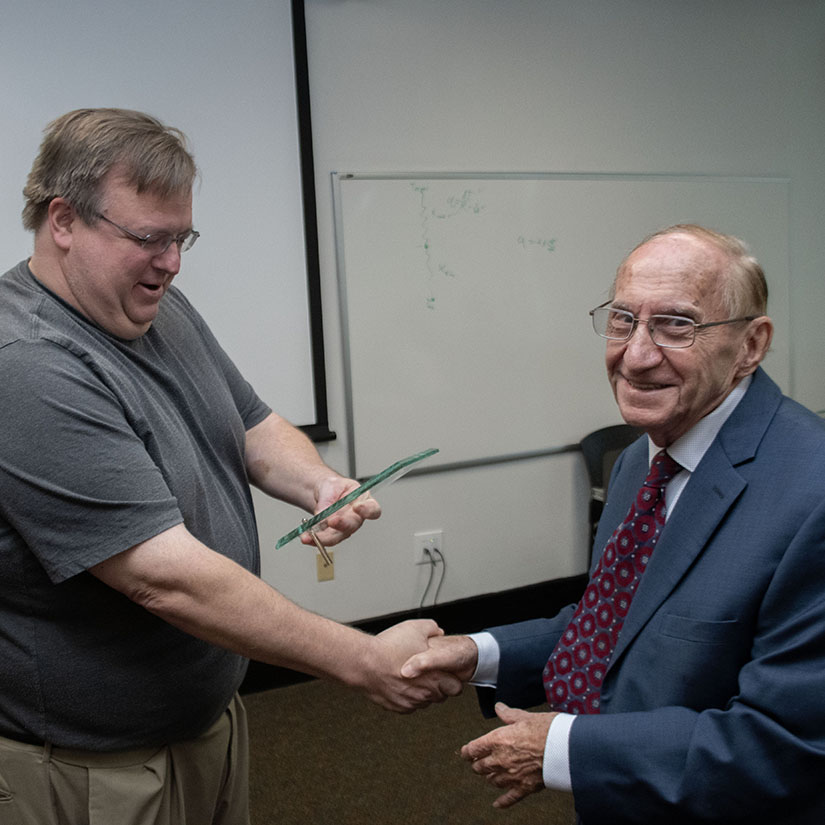
Branko Popov: Powering research and mentorship
When Ralph White reflects on the career of Branko Popov, two things immediately come to mind: an extraordinary dedication to research and a personality that drew people in.
“He was very vivid,” says White, a distinguished scientist and professor of chemical engineering. “Everyone really enjoyed his humor.”
White first met him in 1989 when Popov arrived at Texas A&M University through the Fulbright Program. At the time, Popov had already built an impressive academic career and was serving as dean of a university in Macedonia, but he was eager to return to hands-on research.
“He came to me and said, ‘I'm here to go back in the lab,’” White recalls. “He wanted to work with students.”
The two researchers quickly became collaborators, launching the Center for Electrical Engineering at Texas A&M. When White later became chair of USC’s Department of Chemical Engineering in 1993, Popov followed soon after.
Together, they helped grow the department’s research program and founded the Center for Electrochemical Engineering, which Popov has directed since 2001. While White focused on administration, Popov became the driving force behind much of the center’s research activity. Over the years, he built a research program known for its work in fuel cells, batteries and corrosion engineering. His work attracted millions of dollars in federal funding, while he earned recognition as a Thomson Reuters Highly Cited Researcher multiple times.
White says one of Branko’s proudest accomplishments came in 2005 when he was named a Carolina Distinguished Professor.
“The title is a testimony to what everybody has felt about him, his productivity and his personality,” White says.
Throughout his career, Popov authored more than 250 scholarly publications, published over 15 books and book chapters, secured major research awards and mentored generations of graduate students. But White says Popov's greatest legacy lies not in the numbers and accolades but is the way he worked with people.
“The thoroughness of his research, his attitude and his ability to manage students were instrumental to his success,” White says. “We remember him fondly as an expert who was also a very personable individual.”
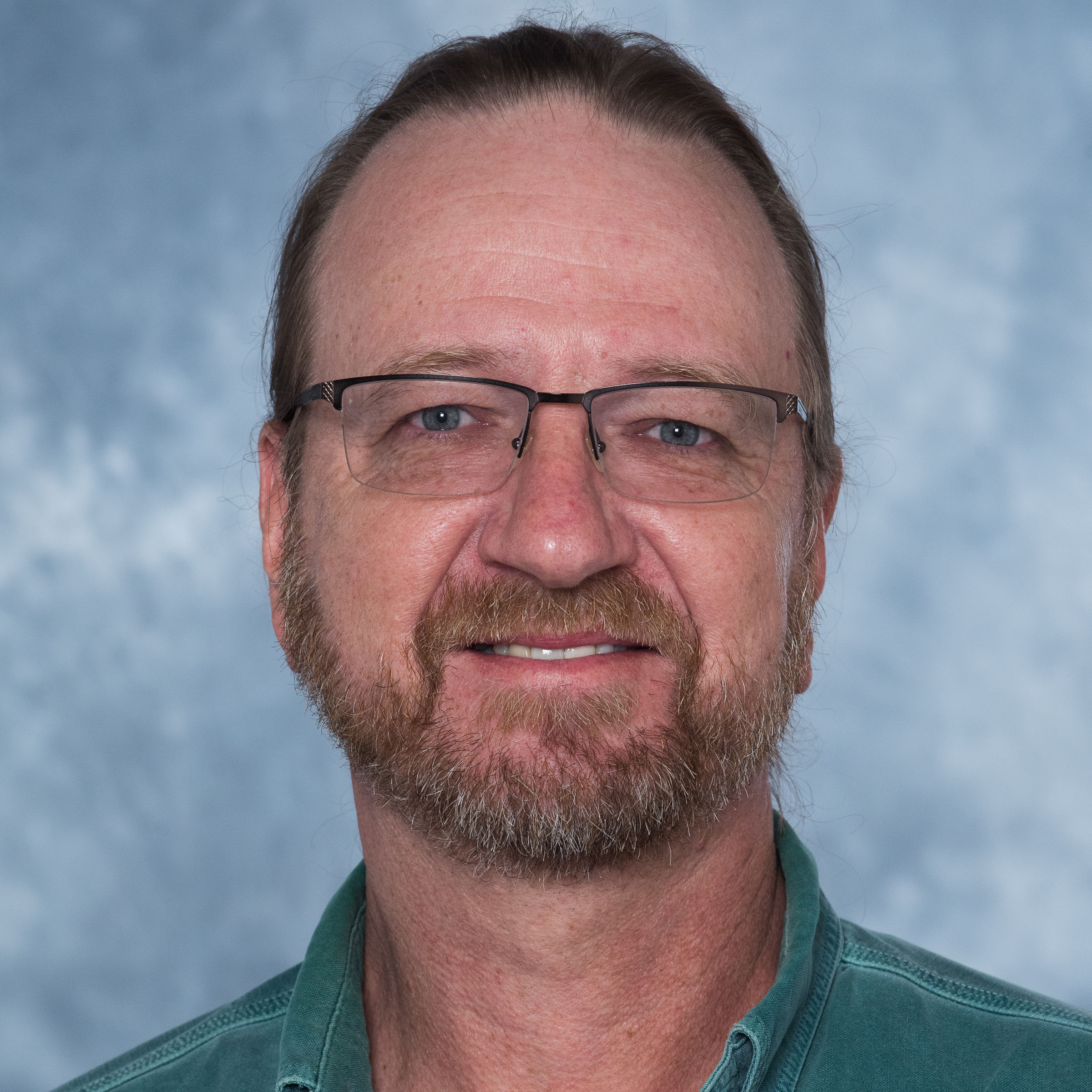
Wilson Smoak: Bringing industry experience to the classroom
Alum Wilson Smoak spent more than 30 years solving engineering problems in industry before stepping into a classroom.
A 1986 USC electrical engineering graduate, Smoak built a career at NCR Corporation, IBM and Intel, where he advanced from digital design engineer to high-performance computing platform architect and lead engineer. Along the way, he earned a master’s degree in computer engineering and gained decades of experience leading complex engineering projects.
Smoak initially considered pursuing his Ph.D. But a colleague encouraged him to share the systems-level expertise, which led him back to USC.
Smoak began co-teaching the college’s Capstone Design courses in 2017 and officially joined the faculty a year later. In the two-semester sequence, students work in teams on industry-sponsored projects that address real engineering challenges.
“I tell them it could be fully functioning, or it may not be. This is a learning experience,” Smoak says.
His focus extended beyond technical skills. Smoak wanted students to experience the realities of engineering work: communicating effectively, navigating setbacks and learning how to solve problems as part of a team.
“At the end of Capstone, a lot of students say they feel that they've had a real-world experience,” he says.
Initially, Smoak worried that three decades in industry had not prepared him to teach. But over time, he realized that his greatest strength was bringing practical experience into the classroom. Rather than presenting himself as someone who had all the answers, he shared lessons learned from mistakes and challenges throughout his career. As a result, watching students take ownership of their projects became the favorite part of his job.
“I shared the mistakes I made and what I could have done better,” Smoak says. “I tried to show them that life happens, and you have to work with it.”
His connection to USC also became a family tradition. His son earned both bachelor’s and master’s degrees in electrical engineering from the university and even took one of Smoak’s classes.
In retirement, Smoak plans to travel the country with his wife in a camper and spend more time mountain biking. He also remains interested in the future of engineering education and the growing role of AI.
“I do think this is going to be something that we have to learn how to teach,” Smoak says.
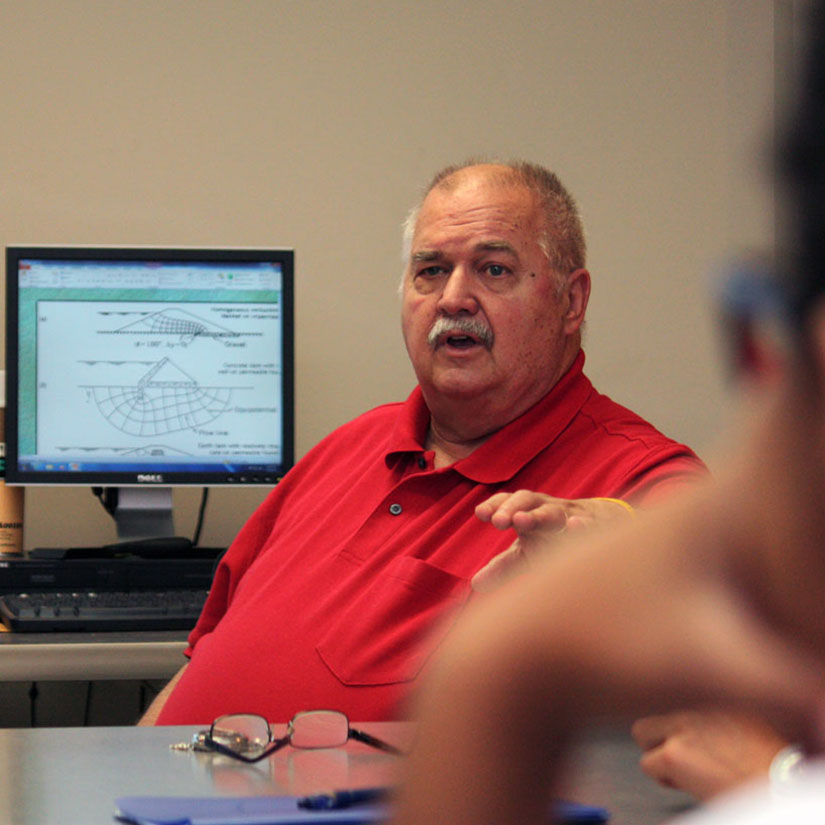
Michael Meadows: The professor students called “DOP”
Michael Meadows may be retiring, but he has no intention of disappearing from campus.
“I'll be here every day until I die,” Meadows says. “I'm planning to be 104.”
For more than four decades, Meadows taught civil and environmental engineering students and was known to generations of students as “DOP” — short for Dear Ole Professor. The nickname began after a student referred to him as a “distinguished outstanding professor” in a request for a recommendation letter.
“I said, ‘That’s not really what you meant,’” Meadows says. “You meant Dear Ole Professor.”
Meadows earned all three of his degrees from the University of Tennessee before joining USC in 1981 after teaching at the University of Kentucky. His early years at USC were filled with travel as he led workshops around the country and internationally. A serious car accident eventually forced him to stop traveling, but he says his students gave him the motivation to recover and return to the classroom.
“I thought, ‘I still have students here, so I have to get back on my feet,’” he says.
Throughout his career, Meadows secured 51 grants and contracts totaling more than $4 million, much of which helped support students working alongside him on research projects. His work focused on hydrology and water resources. One of his favorite projects helped develop hydrology tables used across South Carolina to predict how different land uses convert rainfall into stormwater runoff.
But according to Meadows, his proudest accomplishment was not a research project but his role in establishing the Capstone Design Program in 1995, which is now a required course for engineering and computing students.
“I want to leave a legacy as a professor who cared about the students,” Meadows says.
Former students and colleagues have already found a way to honor that legacy. The Mike Meadows Civil Engineering Endowment Fund now provides scholarships for future civil and environmental engineering students.
In retirement, Meadows plans to remain active in research and national committees while continuing to mentor students. He is currently working with the Natural Resources Conservation Service to improve a model for predicting rainfall runoff.
Like many of his colleagues, Meadows is curious about how AI will influence the future of engineering and higher education. But his focus remains where it has always been: students.
“I have enjoyed being here and working with students,” Meadows says. “Hopefully, in doing so, I have improved life for people in the great state of South Carolina.”