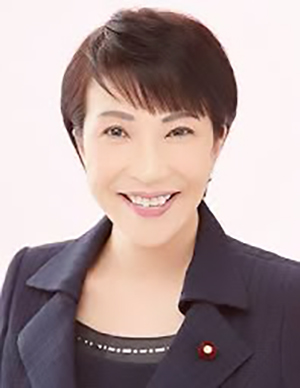
All eyes have been on Japan’s first female prime minister. Sanae Takaichi has defied norms in many ways. Unlike many Japanese politicians, she is not from a political dynasty. She clawed her way to the top through hard work, strong social skills, and a firm belief that her views were right for Japan. She was not seen as a front-runner in the usual “take-your-turn” order for leadership of the Liberal Democratic Party; there were male candidates ahead of her. But perhaps the biggest difference is her popularity. She has a huge following among younger people, who were thought to be largely disengaged from politics. She brought voters out in the snap election she called in February and won by a large margin.
Takaichi has been described as “hard right” in her ideology, and her views are clearly conservative. On social issues, she opposes separate last names for married couples and is against female emperors, even as Princess Aiko becomes increasingly popular. She has said what others avoided: that Taiwan is in Japan’s strategic interest and that an attack on Taiwan would provoke China. She has also cultivated ties with President Trump, drawing on her relationship with the late Prime Minister Shinzo Abe to help revive that connection. On immigration, she has taken a tougher stance, with policies to raise visa fees and tighten entry, emphasizing a vision of Japan for Japanese, bringing underlying dissatisfaction and anxiety to the surface.
On the economy, however, she has taken a more populist approach: She has promised to remove taxes on food, a major issue amid rising inflation. She has also suggested that companies should not prioritize shareholder concerns above all else—a message that may be welcomed by firms under pressure from activists. But it is unclear whether these are realistic policies or political signals. If they are real, they run counter to long-standing efforts. The Ministry of Finance has fought to raise taxes to manage Japan’s mounting debt, while the Tokyo Stock Exchange and regulators have pushed companies toward greater shareholder focus. It is not yet clear whether she intends to reverse these trends.
It is refreshing to see a prime minister who speaks her mind and appears confident on the international stage. Regardless of political views, many people are pleased to see her treated as a global leader. This follows several administrations led by older, less dynamic figures. Images of her cabinet—featuring women in key roles, including finance and economic portfolios—stand in sharp contrast to past cabinets where women were few and often peripheral.
At the same time, there are concerns that some of her policies could reverse hard-won progress. The tougher stance on immigration resonates in a country fatigued by over-tourism, yet Japan’s demographic reality means it cannot sustain itself without foreign workers. Tax cuts on food may ease short-term pressure, but tax increases have been critical in addressing public debt. Can Japan afford to reverse course? Similarly, efforts by the Tokyo Stock Exchange, the Ministry of Economy, Trade and Industry (MET)I, and the Financial Services Agency to make markets more shareholder-friendly have coincided with a strong stock market. Would stepping back from these reforms help or hurt Japan?
It is also unclear how long Takaichi’s popularity will last, or whether she will be able to push through policies that face resistance from Japan’s powerful bureaucracy. Her stance toward China could either heighten tensions or lead to more direct engagement. Her relationship with Trump may or may not strengthen the Japan–U.S. alliance.
What may endure, however, are the images of Takaichi and her ministers—women standing at the front, not the margins. Just as important may be a shift in political tone: a greater willingness among leaders to speak openly and articulate a vision for Japan in a more uncertain world. Japan has long relied on its alliance with the United States while carefully managing a complex relationship with China. Takaichi is signaling a more explicit and assertive stance. For many in Japan, this may encourage greater political debate and openness—something the country will need in the years ahead.
Note: The views expressed are the author’s own, subject to change based on new information, and do not represent any current or former affiliation.
About the Author

Christina Ahamadjian is professor Emeritus at Hitotsubashi University and currently serves on several corporate boards, including Yokogawa, Daiwa Securities, and DISCO, and Tokyo University Edge Capital Partners. Former boards include Asahi Group Holdings, Sumitomo Electric, NEC, Mitsubishi Heavy Industries, and Japan Exchange Group (parent company of the Tokyo Stock Exchange). A former Sonoco Visiting Fellow of the International Business program at the Moore School, she has recently been appointed to the Folks Center’s Global Advisory Board. Christina Ahmadjian has hosted many guest lectures and has shared her career path with students.