February 5, 2026 | Erin Bluvas, bluvase@sc.edu
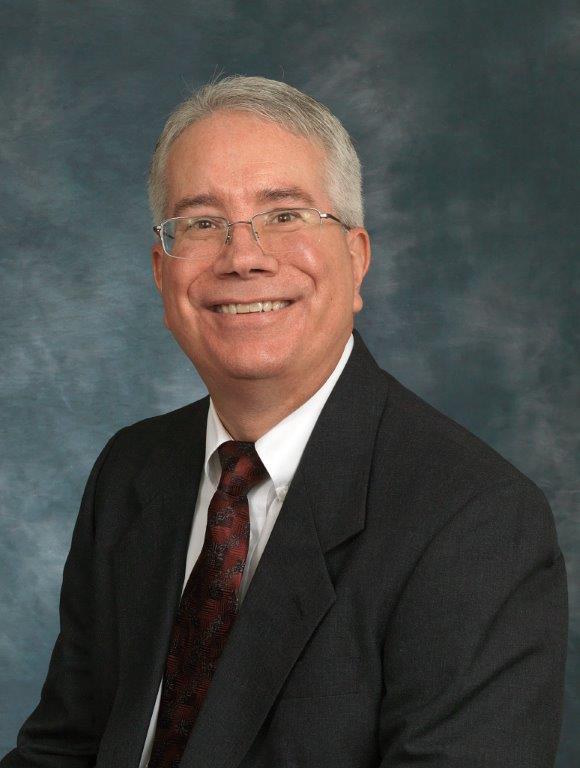
“I know correctional health care is not usually on one’s radar for a career choice, but I would encourage students to consider this as a career,” says Samuel Soltis, a 2012 alumnus of the Arnold School and the 2026 recipient of the American College of Healthcare Executive’s (ACHE) Lifetime Service and Achievement Award. “It was the most challenging and yet most rewarding part of my entire career as well as the most impactful on the people we served.”
As an accounting major at the Oral Roberts University in Tulsa, Oklahoma, Soltis hadn’t yet considered a health-related career. That all changed when he began volunteering at a brand-new hospital in town.
My degree from USC brought a new and broader perspective to my efforts in providing health care to the inmates at the SC Departments of Juvenile Justice and Corrections. It allowed me to consider not only providing health care for the needs of the inmates but how their treatment and care would impact the public health of a community.
“I served as a patient escort/transport, and this was when I knew I was being led to work in health care administration in some way to help people,” Soltis says. “I was able to realize this desire throughout my career, working in hospitals, long term care, outpatient dialysis and correctional health care administration.”
Soltis went on to earn a Master of Health Administration (The Ohio State University) and master’s in finance (King’s College in his home state of Pennsylvania) while gaining experience in the field. He completed his fellowship year at Wilkes-Barre General Hospital, where he then held administrative positions in the areas of nursing/long-term care services, cardiology, neurophysiology and rehabilitation, and strategic planning. Soltis was directing St. Luke’s Health Network’s business development when he was recruited to join Fresenius Medical Care in Columbia, South Carolina in 1999.
Now an experienced health care administrator, Soltis’ next move would forever tie him to the Arnold School and the health of his newly adopted state. In 2002, he began nearly a decade of service with the SC Department of Juvenile Justice.
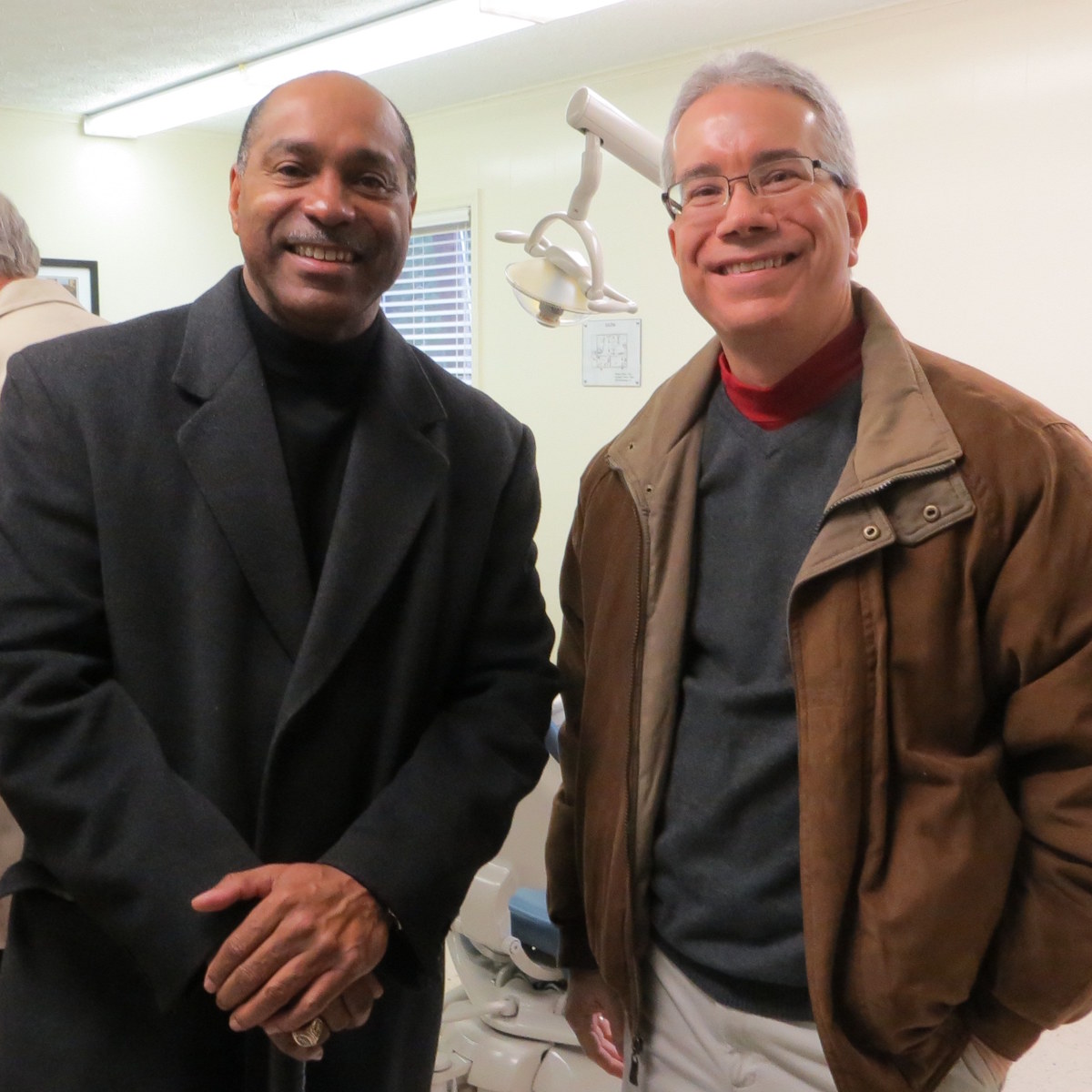
“While I was working at the SC Department of Juvenile Justice, I realized what an impact correctional medicine had on juveniles inside the prison due to their lack of preventative care as well as regular health care prior to being incarcerated,” says Soltis of his role as director of health services. “I also realized that not only were we impacting the current health of the juveniles but also the community public health when these juveniles were released back to their communities.”
Encouraged by his deputy director, John Solomon, who was an alumnus of the Arnold School’s Ph.D. in Health Services Policy and Management program, Soltis decide to apply. He graduated in 2012 and soon made the transition to the SC Department of Corrections, where he spent the rest of his full-time career – though his service would continue well beyond his 2018 retirement.
“My degree from USC brought a new and broader perspective to my efforts in providing health care to the inmates at the SC Departments of Juvenile Justice and Corrections,” Soltis says. “It allowed me to consider not only providing health care for the needs of the inmates but how their treatment and care would impact the public health of a community.”
Soltis says that his degree also opened doors with other state-level partners, such government agencies, USC’s School of Medicine and Infectious Disease Programs, HIV and Hepatitis C programs, specialty clinics, mental health care providers, and physicians across the state. He then used concepts from his doctoral program and contacts from this vast network to create plans that ensured continuity of care for each inmate upon release back into South Carolina communities.
“Everything I did throughout my career was building on knowledge and experience that eventually was fully utilized when I worked in correctional medicine,” he says. “In correctional medicine, you are operating an entire multi-delivery health care system behind prison walls, including primary, nursing, dental, mental health, laboratory, pharmacy, OB/GYN, infectious diseases, dialysis, long-term, hospice, infirmary, and many other types of care.”
As an ACHE Fellow, Soltis continued his service to the organization after his retirement. He represented the college as a member of the National Commission on Correctional Health Care Board of Representatives from 2015-2025, including a term as chair.
“There will always be obstacles in any career choice you make, but never give up trying to find solutions,” Soltis advises current and future students. “Seek out the experts in the respective fields you work in and especially your staff. They do the jobs every day and know what is or has worked or failed, and they usually have great ideas as to what may work to overcome challenges.”