The Health Resources and Services Administration is continuing its commitment to growing
and diversifying the maternal and child health (MCH) workforce by awarding $675,000
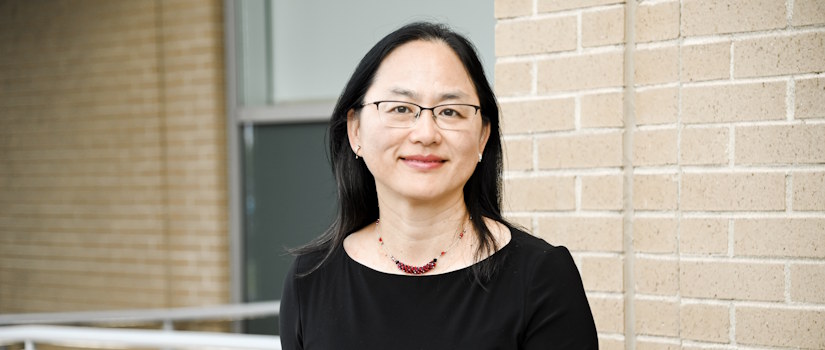
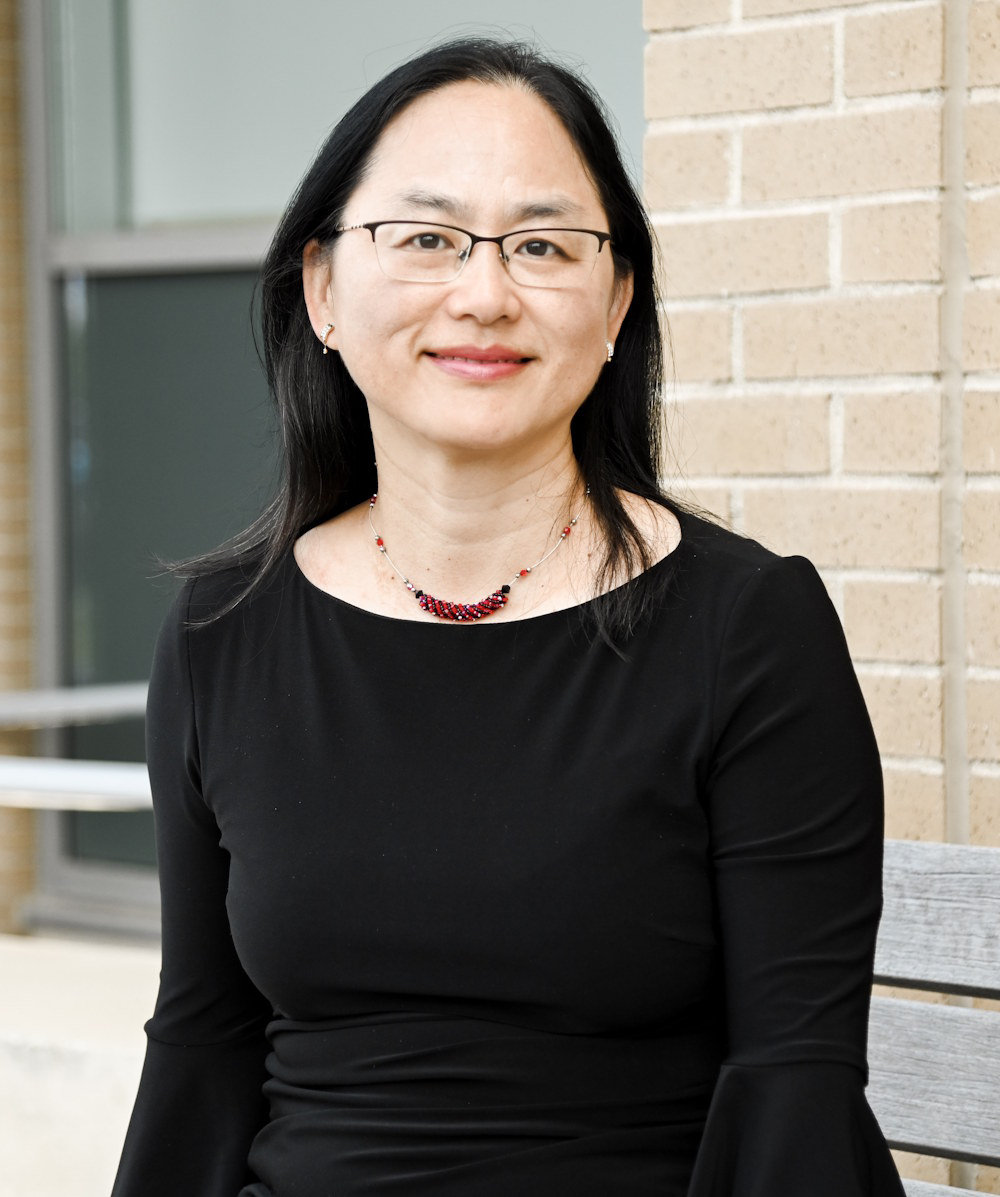
to Jihong Liu. An epidemiology professor with more than 25 years in the field, Liu will use the
funding to expand and extend the MCH Catalyst program that she launched at the Arnold School in 2020.
With the initial round of funding, Liu collaborated with other USC faculty who have
interests and expertise in MCH education, research and/or practice (currently 42 individuals
across five departments) to establish the infrastructure for an MCH curriculum. Components
included the enhancement of existing MCH classes along with the addition of a new
course in the subject.
With this new round of funding, we will be able to expand and strengthen MCH curriculum
and faculty capacity to train diverse, skilled, and capable MCH professionals to meet
our nation’s current and future needs for a well-trained specialized workforce.
Jihong Liu, epidemiology professor
The team, which included deputy director Linda Hazlett, also developed an MCH graduate certificate, a Graduate Scholars Program, MCH-focused
poster and abstract competitions, and the MCH Student Association. Following the initial
lead time to get the programs up and running, the MCH Catalyst program has since welcomed
29 students into the graduate certificate program and 10 students have already graduated
from the MCH Certificate in the past two years.
The MCH graduate certificate is now the largest certificate program at the Arnold
School. Through its Graduate Scholars Program, they have provided research funding
and mentorship to five master’s students and 15 doctoral students. These scholars
have published seven articles in peer-reviewed journals, with additional manuscripts
currently under review, and have delivered 24 oral or poster presentations at national
conferences.
“Despite the significant progress made during the past five years with the support
from the MCH Catalyst program, active interdisciplinary rich faculty expertise, and
strong student interest, we are still facing some challenges to sustaining our existing
program,” Liu says. “The Arnold School needs additional funding to enhance our program
by expanding the MCH curriculum, offering experiential learning opportunities for
graduate students interested in MCH careers, and engaging early- and mid-level MCH
faculty in this work.”
With these aims in mind, the upcoming funding cycle (2025-2030) as well as the support
from Arnold School Dean’s office will allow the MCH Catalyst program to train 160
graduate students, with at least 20 percent of the participants from underrepresented
groups. The team will help ensure that 90 percent of graduate certificate students
successfully complete the program, and they will provide support to 10 early- or mid-career
faculty.
Jihong Liu is a professor of epidemiology and the director of the MCH Catalyst program.
To provide experiential learning opportunities for students, Director Liu and Deputy
Director and MCH Certificate Program Director Myriam Torres will partner with the Title V program and MCH community organizations and will offer
fellowship opportunities to help students complete MCH-related practicums. The program
will continue to provide tuition supplements for MCH Certificate students who have
financial needs and launch a lunch seminar series to connect faculty, students, and
local public health professionals.
“Maternal and child health indicators and outcomes rank poorly at the local, state,
and national levels,” Liu says. “With this new round of funding, we will be able to
expand and strengthen MCH curriculum and faculty capacity to train diverse, skilled,
and capable MCH professionals to meet our nation’s current and future needs for a
well-trained specialized workforce.”
Through another award from the Health Resources and Services Administration, Liu and
epidemiology associate professor Monique Brown created the MCH Leadership, Education, and Advancement in Undergraduate Pathways
(LEAP) training program, which provides individual mentoring/academic support and
training to undergraduate students from underserved or under-represented backgrounds
to enhance their knowledge, skills and interest in MCH-related graduate programs and
health care professions. The LEAP program has served 128 undergraduate students, with
another 32 participating in the academic year 2025-2026. Nearly 70 percent of LEAP
trainees identify as Black and over 45 percent of them are first-generation college
students. Collectively, more than 85 percent of these students have received an internship,
externship, scholarship, or grant during the program.