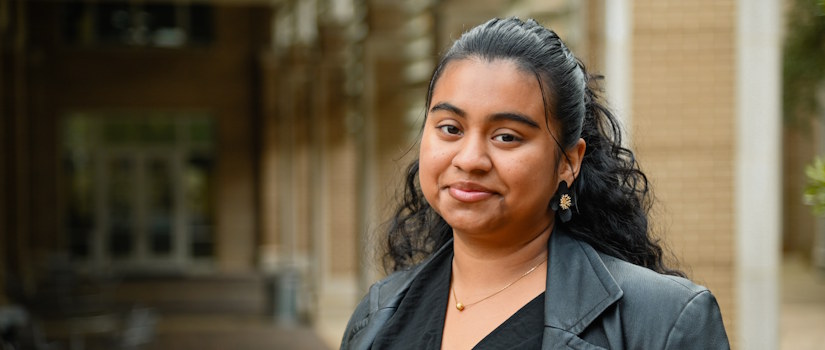
“During my undergraduate years at USC, I connected with faculty, research labs and
community organizations that shaped my understanding of public health,” says Master of Public Health (MPH) in Health Promotion, Education, and Behavior (HPEB) student Anahyra Fernandez Reyes. “Returning for my MPH felt like the natural extension of the relationships, support
and opportunities I had already found here.”
Get involved early with research labs and community organizations, because hands-on
experience will help you discover what truly excites you ... remember that public
health is people-centered: stay connected to the communities you want to serve, and
let their needs guide your work.
Anahyra Fernandez Reyes
A resident of Greenville, South Carolina, studying biological sciences at USC opened
numerous opportunities for the Galen Health Fellow and Scholar, who was born and raised
in Honduras. As an undergrad, she gained experience as a patient care technician at
MUSC Health Columbia Medical Center and as a Changing Carolina Peer Leader advancing
the Healthy Campus Initiative. Fernandez Reyes learned all about research by becoming
a member of the Healthy Futures Lab, which is led by health psychologist and Arnold
School collaborator Sayward Harrison.
As a graduate research assistant, she has been learning how to conduct community-engaged
research to improve the health and well-being of various populations. Fernandez Reyes
has also continued working closely with Healthy Carolina initiatives and interned
with the Center for Community Health Alignment.
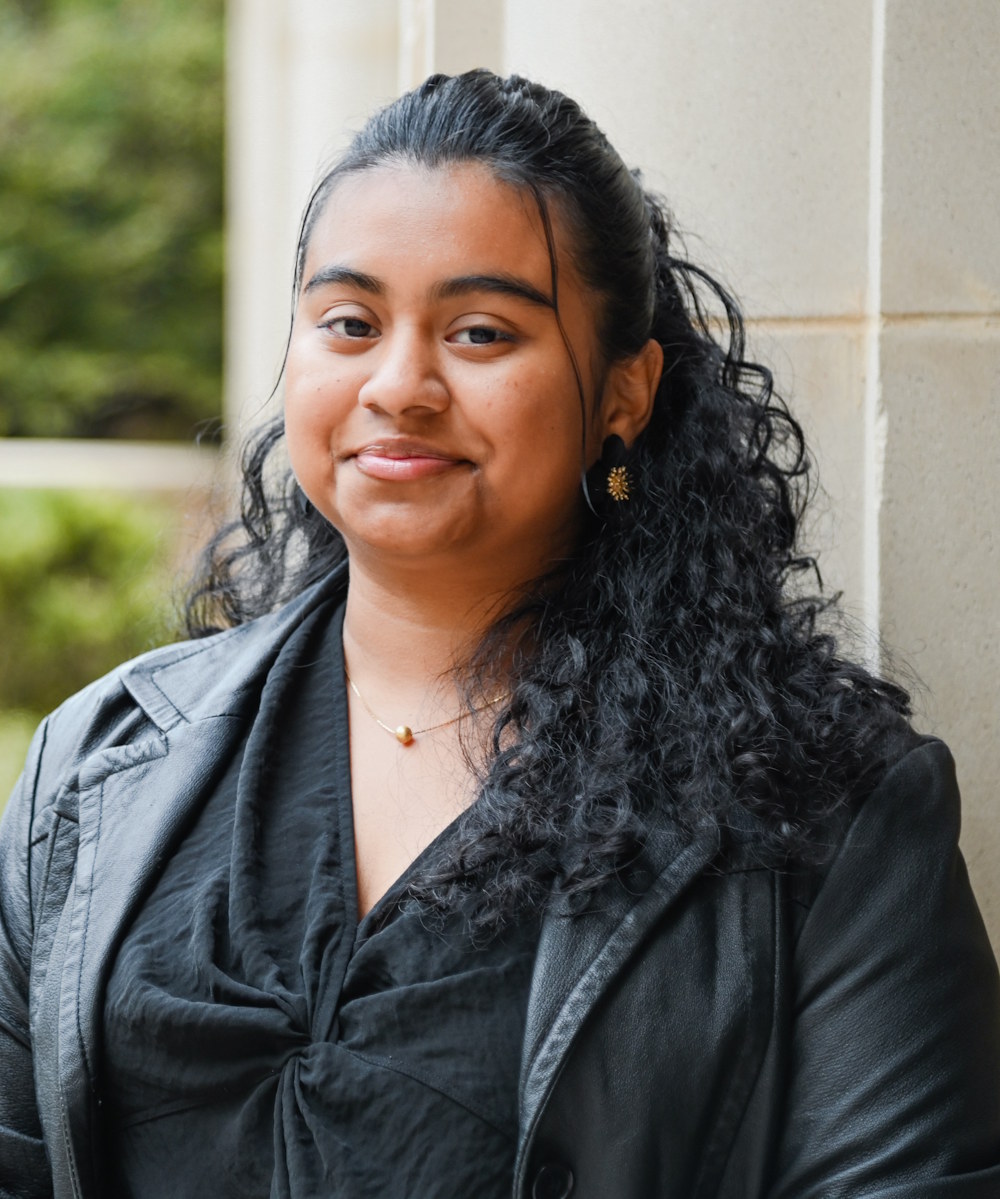
Anahyra Fernandez Reyes is a student in the Master of Public Health in Health Promotion,
Education, and Behavior program.
Across her time at Carolina, Fernandez Reyes has found mentors in faculty like David Simmons, Deborah Billings, and Emily Mann. These influences, along with her program’s coursework and focus on enhancing practical
skills, have led her to develop interests in maternal and child health, reproductive
justice, and health disparities affecting Black and Latina mothers.
“Over time, I have seen how cultural expectations, access barriers and systemic inequities
directly influence reproductive autonomy and outcomes,” says Fernandez Reyes, who
plans to follow her May graduation with medical school and a career in obstetrics
and gynecology or maternal-fetal medicine. “My goal is to integrate public health
frameworks into clinical practice and contribute to culturally informed, community-centered
maternal health initiatives, especially within immigrant and rural populations.”
Calling her USC experience both “grounding” and “transformative,” Fernandez Reyes
believes that the opportunities she has had to work directly with diverse communities,
state-level partners, and local health organizations have helped prepared her for
this work. She encourages other students to consider studying public health and all
it has to offer.
“Get involved early with research labs and community organizations, because hands-on
experience will help you discover what truly excites you,” Fernandez Reyes says. “Take
advantage of faculty mentorship as they are incredibly generous with their time and
guidance. Most importantly, remember that public health is people-centered: stay connected
to the communities you want to serve, and let their needs guide your work.”